


Health Inspection Standards and Restaurant-Grade Kitchen Cleaning
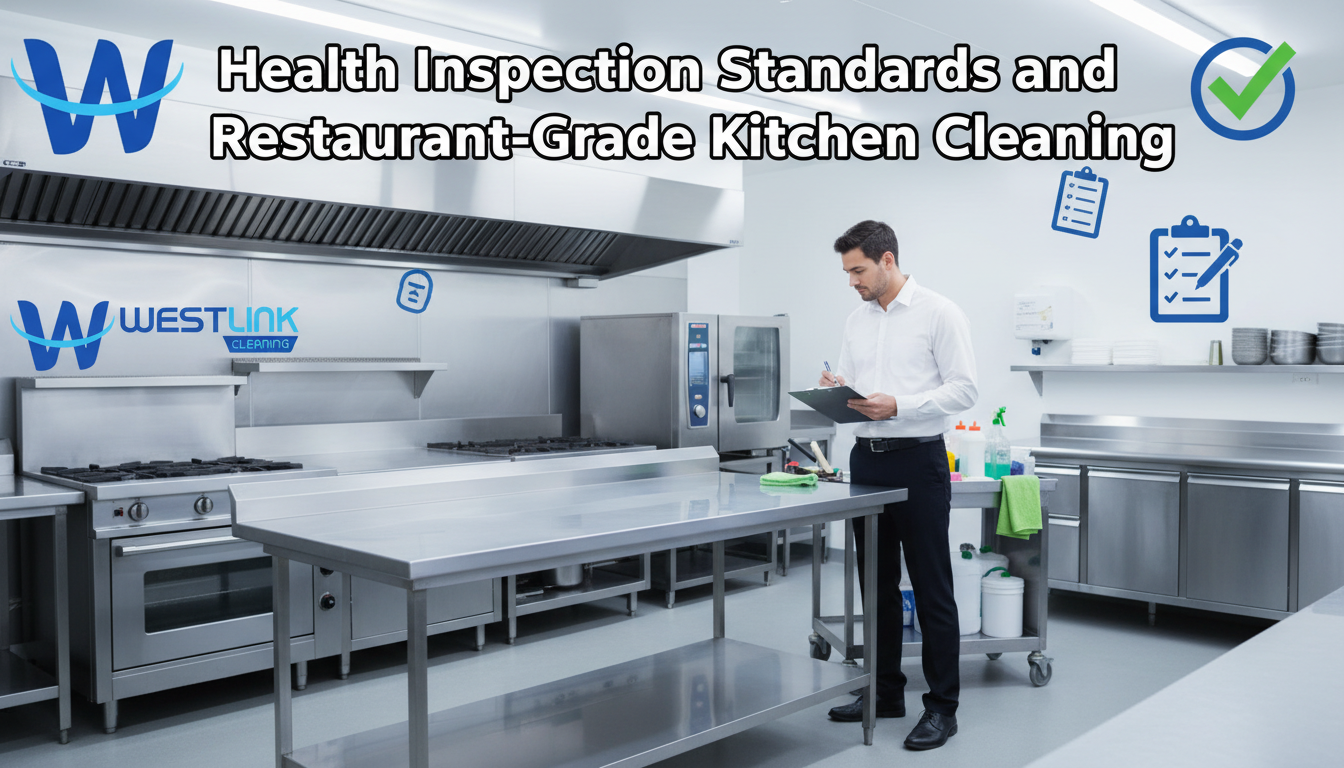
Health Inspection Standards and Restaurant-Grade Kitchen Cleaning
Health inspections are very important for every restaurant because they make sure food is prepared in a safe and hygienic environment. Inspectors check different areas of the kitchen, including cooking equipment, storage spaces, ventilation systems, and food preparation surfaces. If grease, dirt, or bacteria are found, the restaurant may receive warnings or penalties. Restaurant-grade kitchen cleaning helps remove hidden buildup that regular cleaning may miss. This makes it easier for restaurants to meet health requirements and maintain proper hygiene standards.
Keeping the kitchen cleaned to professional standards also helps restaurant owners avoid unexpected problems during inspections. When cleaning is done regularly and properly, it reduces the risk of fines, poor inspection ratings, or temporary shutdowns. A clean kitchen also shows that the restaurant cares about customer safety and food quality. By maintaining restaurant-grade kitchen cleaning, owners can protect their reputation and create a safe place for both staff and customers.
Understanding Health Inspection Standards
Health inspection standards are rules set by local health departments to ensure food is prepared safely. These standards focus on cleanliness, sanitation, food handling, and employee hygiene.
Inspectors do not expect perfection, but they do expect consistency. They check whether cleaning routines are followed daily, not just on inspection day. A kitchen that follows proper standards every day usually passes inspections without stress.
Understanding these standards helps restaurant owners prepare better and avoid surprises.
Why Health Inspections Are Important for Restaurants
Health inspections exist to protect public health. When food is prepared in unsafe conditions, customers can get sick. This can lead to serious legal and financial trouble.
For restaurant owners, inspections also act as a quality check. They highlight weak areas in cleaning, storage, or staff practices. Fixing these issues early prevents bigger problems later.
A good inspection score builds trust with customers and shows professionalism.
How Inspectors Evaluate Restaurant Kitchens
Inspectors follow a checklist during their visit. They observe, ask questions, and check records. Their goal is to see if your kitchen operates safely every day.
They look at cleanliness, food storage, employee behavior, and equipment condition. Even small details matter, such as handwashing practices or sanitizer strength.
Knowing how inspectors think helps owners prepare their kitchens properly.
Food Preparation Area Standards
Food prep areas are one of the most closely inspected zones.
Clean and Sanitized Surfaces
Inspectors check cutting boards, prep tables, and counters. These surfaces must be clean and sanitized, not just wiped.
For example, if raw chicken is prepared on a cutting board, that board must be washed, rinsed, and sanitized before being used again. This prevents cross-contamination.
Visible residue or improper cleaning methods can lead to violations.
Proper Use of Cleaning Cloths
Cleaning cloths must be stored in sanitizer solution when not in use. Dry or dirty cloths spread bacteria instead of removing it.
Inspectors often check sanitizer buckets to ensure correct chemical strength. Weak sanitizer solutions are considered ineffective.
Using the right cloth practices shows attention to detail.
Equipment Cleaning and Maintenance Standards
Kitchen equipment must be clean and well-maintained to pass inspection.
Cooking Equipment Cleanliness
Stoves, grills, fryers, and ovens must be free from heavy grease buildup. Inspectors know that some grease is normal, but thick layers indicate neglect.
For example, a greasy fryer exterior suggests it has not been cleaned regularly. This can raise fire safety concerns.
Regular cleaning keeps equipment safe and inspection-ready.
Small Equipment and Utensils
Knives, ladles, slicers, and mixers must be cleaned after each use. Inspectors may ask how often these items are washed.
If equipment is stored dirty or improperly, it can lead to contamination. Clean storage areas are just as important as cleaning itself.
Dishwashing and Sanitizing Standards
Dishwashing is a critical inspection area.
Three-Sink Method Compliance
If dishes are washed by hand, inspectors expect the three-sink method: wash, rinse, and sanitize.
Each sink must serve its purpose. Skipping the sanitizing step is a common violation.
Inspectors may test sanitizer levels to ensure they meet safety standards.
Commercial Dishwasher Requirements
For machine dishwashing, inspectors check water temperature and chemical levels. Dishes must be properly dried and stored.
Improper dishwasher use can result in bacteria remaining on dishes, even if they look clean.
Food Storage and Temperature Control
Improper food storage is one of the most common inspection failures.
Correct Refrigeration Temperatures
Refrigerators must keep food at safe temperatures. Inspectors often check thermometers inside units.
If food is stored too warm, bacteria can grow quickly. Regular temperature monitoring prevents this issue.
Proper Food Labeling and Organization
All food should be labeled with preparation or expiration dates. Inspectors look for expired or unidentified items.
Raw foods must be stored below cooked foods to prevent contamination. This simple practice avoids serious violations.
Employee Hygiene and Handwashing Standards
Clean kitchens require clean staff.
Handwashing Facilities
Inspectors check if handwashing sinks are accessible, stocked with soap and paper towels, and used properly.
Employees must wash hands after handling raw food, using the restroom, or touching trash. Failure here leads to immediate violations.
Proper Work Attire
Simple hygiene practices are very important in a kitchen. Using hair restraints, wearing clean uniforms, and wearing gloves help prevent contamination. Inspectors pay attention to these details and notice when staff do not follow the rules.
Following these hygiene standards shows that the restaurant is well-managed. Good practices protect both customers and staff, and reflect a professional and responsible kitchen environment.
Waste Management and Pest Control
Waste handling is closely tied to cleanliness.
Trash Storage and Removal
Trash needs to be taken out regularly and kept in covered containers. Inspectors look for bad smells, leaks, or overflowing bins, which can lead to penalties.
If trash areas are dirty, they can attract pests like flies or rodents and create serious health risks. Keeping trash properly managed helps maintain a clean, safe, and hygienic kitchen.
Pest Prevention Measures
Signs of pests, like droppings, gnaw marks, or traps, are a major concern in any kitchen. They indicate poor hygiene and can lead to health violations. A clean kitchen naturally makes it harder for pests to survive and reduces their attraction.
Regular cleaning combined with proper food and waste storage is the most effective way to prevent pest problems. By staying consistent, restaurants can protect their kitchen, staff, and customers from pest-related risks.
Floor, Wall, and Ceiling Cleanliness
Inspectors do not ignore these areas.
Floor Safety and Cleanliness
Floors must be clean, dry, and non-slippery. Grease buildup is a safety hazard.
Cracked tiles or standing water may also be flagged during inspection.
Walls and Ceilings
Walls and ceilings should be free from grease stains, mold, or peeling paint. These issues suggest long-term neglect.
Regular wiping and maintenance keep these areas inspection-ready.
Cleaning Schedules and Documentation
Inspectors often ask about cleaning routines.
Written Cleaning Schedules
Having a written schedule shows organization and commitment to hygiene. Inspectors appreciate clear systems.
Schedules help staff stay consistent and accountable.
Training Records
Some inspectors ask how staff are trained in cleaning and sanitation. Clear training practices reduce mistakes.
Proper training supports compliance.
Common Health Inspection Violations
Many violations happen due to simple oversight.
Common issues include:
-
Improper sanitizer levels
-
Dirty equipment surfaces
-
Poor food storage
-
Inadequate handwashing
Addressing these daily prevents inspection stress.
How Regular Cleaning Supports Inspection Success
Consistent cleaning helps turn important tasks into daily habits. When staff clean properly every day, health inspections become a normal part of operations rather than a stressful event. Regular attention to the kitchen ensures that everything stays in order and safe.
Restaurants that wait until the last minute to clean often overlook hidden problems like grease buildup or hard-to-reach dirt. Daily cleaning routines make it easier to spot and fix issues early. Being consistent with cleaning is the key to passing inspections with confidence and maintaining a safe, efficient kitchen.
Preparing for a Health Inspection
Preparing for inspections begins well before the inspector walks in. Restaurant owners should check the kitchen every day, watch how staff work, and fix any problems right away. This daily attention helps maintain a clean and safe environment.
Conducting mock inspections and regular reviews also helps keep standards high. By practicing inspections and reviewing routines, owners can ensure the kitchen is always ready, making actual inspections smoother and less stressful.
Conclusion
Health inspections are not something to fear when your kitchen follows strong hygiene practices. Clear routines, trained staff, and regular cleaning make compliance part of daily operations. By focusing on commercial kitchen hygiene, restaurant owners can meet inspection standards naturally, reduce risk, and build long-term trust with both inspectors and customers.
Frequently Asked Questions (FAQs)
How often do health inspections happen?
This depends on local regulations, but most restaurants are inspected one to three times a year.
What is the most common reason restaurants fail inspections?
Poor sanitation, improper food storage, and employee hygiene issues are the most common reasons.
Do inspectors check cleaning chemicals?
Yes, they may check sanitizer strength and proper storage of cleaning chemicals.
Can a restaurant be closed after a failed inspection?
Yes, serious violations can lead to temporary closure until issues are fixed.
How can owners reduce inspection stress?
By maintaining consistent cleaning routines and training staff properly every day.
Categories
Read More
في ظل الحياة العصرية السريعة في مدينة الدمام، أصبحت الغسالات الأوتوماتيك من الأجهزة الأساسية التي لا يمكن الاستغناء عنها في أي منزل. ومع كثرة الاستخدام اليومي، قد تتعرض هذه الأجهزة لأعطال مفاجئة تؤثر على كفاءتها وأدائها. لذلك، تبرز أهمية الاعتماد على خدمات صيانة غسالات اتوماتيك الدمام التي تقدم حلولاً احترافية وسريعة تضمن عودة جهازك للعمل بكفاءة عالية. أهمية صيانة الغسالات بشكل دوري...
IntroductionStreetwear has evolved drastically over the years, yet one piece that has never lost its charm is the Stussy hoodie. Since its introduction in the 1980s, this hoodie has become more than just clothing—it represents culture, creativity, and identity. In 2025, despite constant fashion changes, the Stussy hoodie continues to dominate as a timeless streetwear staple. But why has...

North America, particularly the United States, continues to be one of the most mature and highly regulated regions for building safety and infrastructure compliance. The region’s strong focus on life safety standards, combined with continuous upgrades in commercial real estate, healthcare facilities, transportation systems, and industrial infrastructure, is accelerating demand for...

"Executive Summary Water-Based Adhesive Market Size and Share Analysis Report CAGR Value Data Bridge Market Research analyses that the water-based adhesive market is expected to reach USD 87.74 billion by 2030, which is USD 37.26 billion in 2022, registering a CAGR of 11.30% during the forecast period of 2023 to 2030. This Water-Based Adhesive Market research report guides the...

3999bet is a modern online entertainment platform that emphasizes speed, convenience, and a seamless user experience. Designed with a clean and responsive interface, 3999bet allows users to easily access its features across multiple devices. The platform continues to gain attention due to its consistent performance and user-friendly structure. Security and reliability are key priorities...
