Rising Sun: Evaluating the India Solar Pump Market Size and Growth in 2026

The agricultural landscape of India in early 2026 has reached a historic turning point where the roar of diesel engines is being replaced by the silent, steady flow of solar-powered water. As of February 2026, the India Solar Pump Market Size has expanded into one of the most vibrant segments of the global renewable energy sector. This growth is anchored by the extension of the Pradhan Mantri Kisan Urja Suraksha evam Utthaan Mahabhiyaan (PM-KUSUM) scheme through March 2026, which aims to add significant solar capacity across rural belts. By transitioning from volatile fossil fuels to decentralized solar energy, millions of Indian farmers are gaining energy independence, while the nation takes a giant leap toward its ambitious 2030 climate goals.
The Policy Engine: PM-KUSUM and State Initiatives
The primary catalyst for the current market size in 2026 remains the multi-layered government support system. The PM-KUSUM scheme, particularly the installation of standalone off-grid pumps and the solarization of grid-connected pumps, has significantly lowered the financial barrier for small and marginal farmers. In 2026, central and state subsidies often cover a massive portion of the upfront costs, making solar pumps an accessible reality rather than a luxury.
State-specific programs have added further momentum. For instance, high-irradiance states like Maharashtra, Rajasthan, and Gujarat are leading the way with record-breaking monthly installation targets. These programs are not merely about water; they are financial reforms. By moving agricultural loads to daytime solar hours, power distribution companies are saving significant amounts in annual subsidies and transmission losses, allowing for a more stable and profitable national grid.
Technological Leap: IoT and High-Efficiency Motors
In 2026, the standard solar pump has evolved into a sophisticated digital asset. The industry is witnessing a massive shift toward high-efficiency Brushless DC (BLDC) motors and smart, IoT-enabled controllers. These modern systems allow farmers to monitor pump performance, water discharge, and energy generation directly from their smartphones via integrated cloud platforms. This digital layer is a game-changer for maintenance; sensors can now detect early signs of pump wear or dry-running, sending automated alerts to prevent permanent damage.
Furthermore, the integration of solar feeder technology is transforming rural electrification. Instead of individual pumps, large-scale solar arrays are now being used to power entire agricultural feeders. This centralized approach simplifies maintenance and allows farmers to sell surplus power back to the grid, creating a secondary "solar crop" income. The market is also seeing the rise of hybrid systems that incorporate battery storage, ensuring that irrigation can continue even during non-sunny periods or monsoon transitions.
Socio-Economic Impact and Groundwater Governance
The impact of the solar pump surge in 2026 extends far beyond the fields. By providing reliable daytime irrigation, solar pumps have drastically improved the quality of life for farming families, who no longer need to work in their fields at night to utilize inconsistent grid power. This shift has also led to a noticeable increase in multi-cropping, particularly in arid regions where solar power has unlocked year-round cultivation for horticulture and high-value crops.
However, the 2026 market is also characterized by a new focus on sustainability. As solar pumps make water extraction essentially free after the initial investment, the risk of groundwater depletion has become a central policy concern. To address this, the latest generation of solar pumps is being integrated with precision irrigation technologies like drip and sprinkler systems. Smart controllers are increasingly programmed with time-based and moisture-based limits, ensuring that the solar revolution does not come at the expense of India’s precious water tables.
Future Outlook: Toward a Sustainable Agri-Future
As we look toward the remainder of 2026 and the anticipated rollout of subsequent policy phases, the India solar pump market is set for sustained maturity. The focus is shifting from simple installations to long-term reliability and after-sales support. Manufacturers are expanding their service networks into the deepest rural pockets, ensuring that the millions of units installed remain operational for their long lifespans.
The industry is also becoming a global manufacturing hub, with domestic players exporting high-efficiency systems to Africa and Southeast Asia. With the convergence of declining module prices and rising environmental awareness, solar pumps have become the cornerstone of a new, resilient, and carbon-neutral Indian agriculture. This evolution ensures that the sun, which once symbolized the harsh reality of drought, is now the greatest ally of the Indian farmer.
Frequently Asked Questions
What is the current status of the PM-KUSUM scheme in 2026? The PM-KUSUM scheme has been officially extended through March 2026 to ensure that the target of adding over 30,000 MW of solar capacity is met. The government has increased budgetary allocations for 2026 to support the surge in installations for standalone pumps and feeder-level solarization, while also preparing for the next phase of the program.
How much do farmers typically pay for a solar pump in 2026? Under current guidelines, central and state governments provide a combined subsidy of up to 60% to 90% in some regions. This means a farmer may only need to contribute about 10% of the total cost upfront. The remaining portion can often be financed through bank loans under the Reserve Bank of India’s Priority Sector Lending (PSL) guidelines.
Can modern solar pumps operate in low-light or cloudy conditions? Yes. Solar pumps in 2026 utilize advanced Maximum Power Point Tracking (MPPT) controllers and high-efficiency panels that allow them to function during overcast weather. While the water discharge may be lower than on a clear day, many farmers are now opting for hybrid systems or those with small battery backups to ensure consistent water availability during monsoon cycles.
More Trending Reports on Energy & Power by Market Research Future
South Korea Lead Acid Battery Market Size
China Medium Voltage Cables Market Size
France Medium Voltage Cables Market Size
Categories
Read More
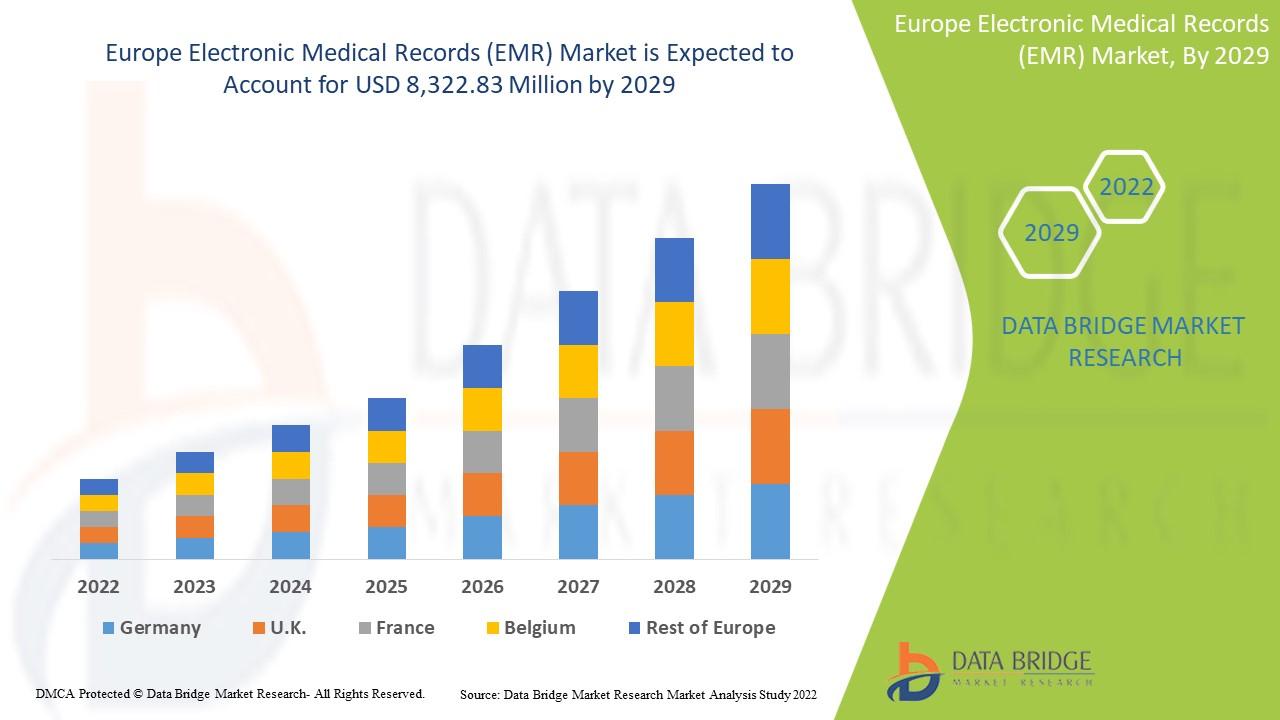
"Detailed Analysis of Executive Summary Europe Electronic Medical Records (EMR) Market Size and Share Europe electronic medical record (EMR) market is expected to reach USD 8,322.83 million by 2029, growing at a CAGR of 6.9% in the forecast period of 2022 to 2029. The Europe Electronic Medical Records (EMR) report provides market shares at global level, mainly for Europe, North...
Siti di scommesse non AAMS - I siti scommesse non AAMS permettono di poter scommettere sullo sport in tutta tranquillità. Le scommesse sportive, infatti, hanno ancora oggi un enorme attrattiva sugli appassionati. Cercare di pronosticare il risultato di un match crea una combinazione vincente di emozioni, la quale viene sempre ricercata. Nella guida di oggi scopriamo la realtà...

"Global Demand Outlook for Executive Summary Middle East and Africa Pharmaceutical Vials Market Size and Share The global Middle East and Africa Pharmaceutical Vials Market size was valued at USD 17.23 billion in 2025 and is expected to reach USD 29.39 billion by 2033, at a CAGR of 6.90% during the forecast period. The wide-ranging report deals with the new...
In the rapidly evolving world of online gambling, platforms like SMS808 Casino are gaining attention for offering a mix of convenience, variety, and engaging gameplay. Whether you're a beginner exploring online casinos or an experienced player looking for a new platform, understanding what sms808 offers can help you make informed decisions. What is SMS808 Casino? SMS808 Casino is an online...

Magnetic Resonance Imaging Coils Market Overview The Magnetic Resonance Imaging Coils Market is poised for substantial growth during the forecast period from 2025 to 2033, driven by the increasing global burden of chronic diseases, rapid advancements in diagnostic imaging technologies, and rising demand for early and accurate disease detection. Magnetic resonance imaging (MRI)...