


Secure Your Ride Today with Reliable Limo Insurance Coverage
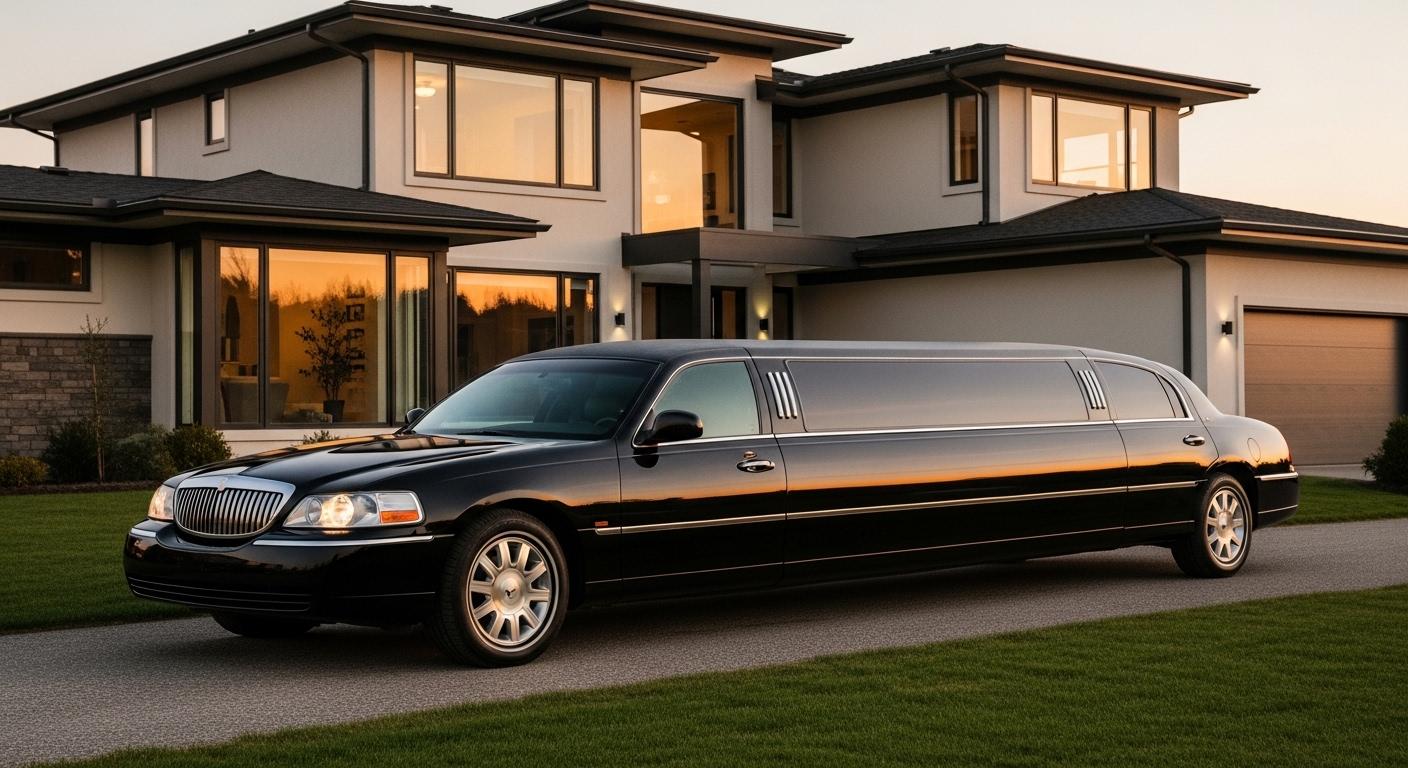
Operating a luxury transportation service provides more than simply a ride from one location to another. It delivers an experience built on comfort, reliability, and impeccable professionalism. Whether serving weddings, corporate clients, or airport transfers, your limousine is a mobile representation of your brand's promise and commitment to excellence. This commitment, however, comes with a unique set of responsibilities and risks that far exceed those of standard personal vehicle use. The valuable asset of the vehicle itself, the safety of your cherished passengers, and the financial stability of your business are all interconnected. Recognizing these heightened stakes is the first step toward understanding that generic insurance solutions are profoundly inadequate. Specialized protection is not a mere operational cost but a fundamental pillar of your business's integrity and longevity.
The environment in which a professional limousine operates is complex and unpredictable. From navigating bustling city traffic during peak hours to ensuring safety on lengthy highway journeys, each trip carries inherent liabilities. Passengers place immense trust in your service, expecting not only luxury but also absolute security. An incident on the road, regardless of fault, can quickly escalate into a significant financial threat involving vehicle repairs, medical expenses, and potential litigation. Furthermore, the very nature of your clientele often celebrating life's most important events or facilitating crucial business dealings means the expectations for safety and discretion are paramount. Therefore, securing the right insurance framework transforms this unavoidable risk from a looming vulnerability into a managed aspect of your business plan. It grants the peace of mind necessary to focus on elevating the client experience rather than worrying about potential financial calamity.
The Specialized Coverage Landscape
A robust insurance plan for a limousine is architecturally different from a standard auto policy, constructed with specific layers to address distinct exposures. Primary liability coverage forms the essential legal foundation, addressing bodily injury and property damage claims if your vehicle is deemed at fault in an accident. Given the potential for multiple passengers and high-value third-party vehicles, selecting liability limits requires careful consideration of your business's total asset value. Physical damage coverage, encompassing both collision and comprehensive protection, safeguards your significant capital investment in the limousine itself from incidents ranging from accidents to theft or natural disasters. For many operators, this is a mandatory requirement from their vehicle financing entity.
A critical and non-negotiable component for any passenger transportation business is hired and non-owned auto liability. This coverage acts as a vital safety net if you or an employee causes an accident while operating a rented replacement vehicle or even a personal car for a business-related task. Perhaps the most important layer is substantial limits of uninsured and underinsured motorist coverage. This protects your business and your passengers if another driver causes an accident but lacks sufficient insurance to cover the resulting injuries or damages. To fully appreciate how these elements combine to form a complete shield, operators must discover now the intricate details of a policy crafted for luxury transport. This includes examining endorsements for supplementary rental coverage, employee dishonesty bonds, and specific clauses regarding valuable property left behind by passengers, ensuring no aspect of the service is left exposed.
Adhering to Regulatory Requirements and Client Expectations
Operating a limousine service legally involves strict adherence to a framework of state and federal regulations that directly dictate insurance mandates. Compliance is not a one-time event but an ongoing obligation that varies based on operational scope. A primary determinant is whether your service operates as an intrastate carrier within a single state or as an interstate carrier crossing state lines. Interstate operations immediately fall under the jurisdiction of the Federal Motor Carrier Safety Administration, which requires specific filings like Form MCS-90 as proof of mandated financial responsibility. Intrastate operations are regulated by state authorities, which have their own distinct requirements for liability limits, proof of insurance filings, and vehicle certifications.
Beyond government mandates, the commercial marketplace and your clientele impose their own stringent standards. Many corporate clients, wedding planners, and event coordinators will require proof of a certain level of liability insurance before signing a contract. It is increasingly common for client contracts to demand that the transportation service be listed as an "additional insured" on the policy for the duration of an event, a request that must be properly facilitated by your insurer to secure lucrative business. Furthermore, regulations concerning driver qualifications, hours of service, and vehicle inspections are tightly interwoven with insurance compliance. A lapse in any area, such as employing a driver without verifying their proper licensing and medical certification, can provide an insurer with grounds to deny a claim, leaving your business fully liable. Understanding this intertwined landscape of legal and contractual obligations is crucial for seamless and professional operation.
Factors Influencing Your Protection Costs
The premium for a limousine insurance policy is a reflection of a meticulously calculated risk assessment. Underwriters evaluate a comprehensive profile of your business to determine the likelihood and potential cost of a claim. One of the most significant rating factors is the driving records and professional experience of all chauffeurs. A team with clean histories and formal commercial driver training demonstrates a lower risk profile. Conversely, violations such as speeding, DUIs, or at-fault accidents can substantially increase costs. The specific use of the vehicle also plays a major role. A limousine dedicated to wedding parties may be viewed differently from one used primarily for corporate airport shuttles, as the mileage patterns, trip durations, and even passenger demographics can influence risk models.
The vehicle's characteristics themselves are fundamental to the pricing structure. The make, model, year, and especially the value of the limousine are primary factors. A brand-new, stretched luxury vehicle represents a much higher potential repair or replacement cost than an older model, which is directly factored into the physical damage portion of the premium. The geographic area where the vehicle is garaged and primarily operates also affects the rate. Urban centers with dense traffic and higher accident frequencies typically command higher premiums than rural areas. Other important considerations include the number of vehicles in your fleet, the coverage limits and deductibles you select, and the inclusion of any safety technology like advanced driver-assistance systems or telematics that promote safer driving habits.
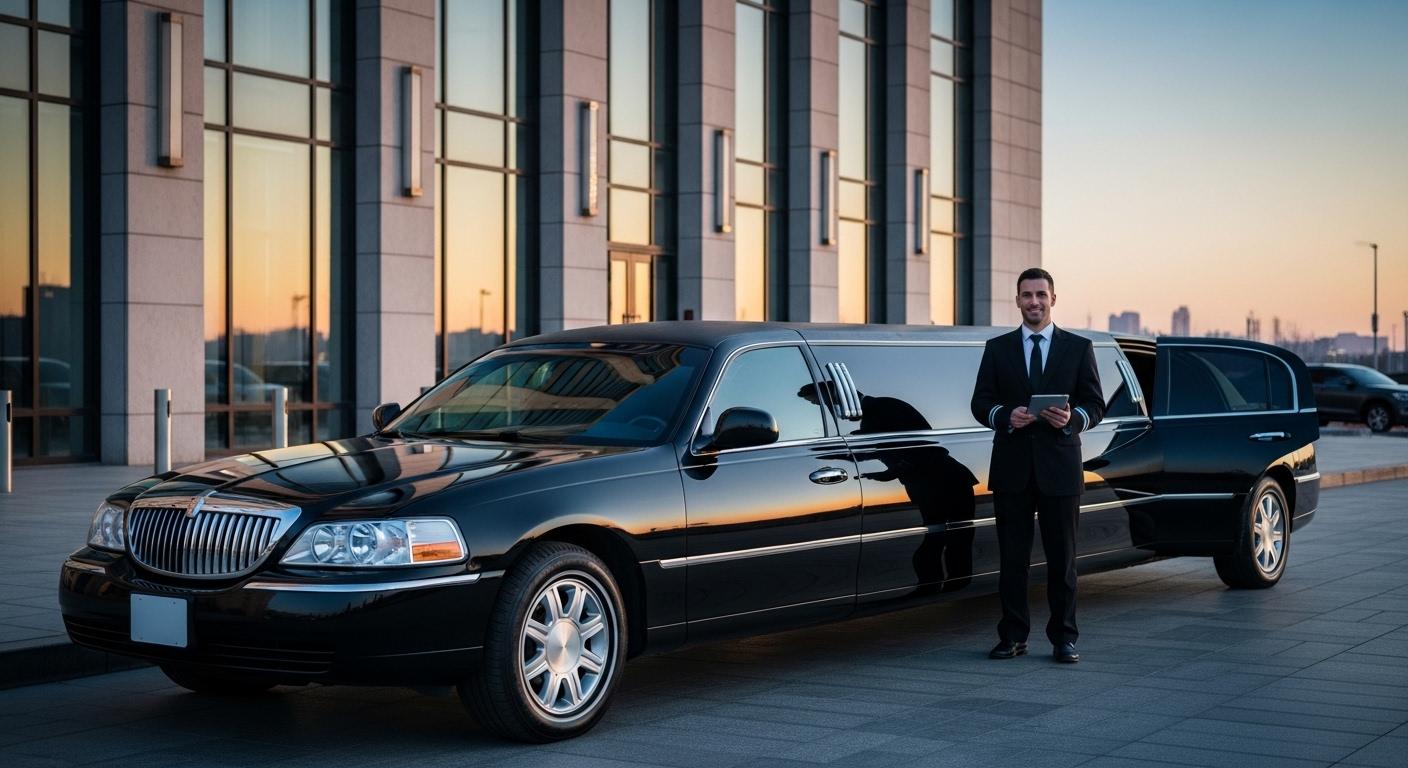
Implementing a Proactive Risk Management Strategy
Securing a tailored insurance policy is a critical defensive action, but building a culture of proactive risk management is the hallmark of a superior operation. This strategic approach not only enhances safety but can also positively influence insurance terms over time. Establishing a formal driver qualification program is the cornerstone of this effort. This process should include rigorous background checks, regular review of motor vehicle records, and ongoing professional development through defensive driving courses. Documented safety meetings that review procedures, navigate specific scenarios, and reinforce a commitment to passenger security send a powerful message to both your team and your insurance provider.
Leveraging technology can further solidify this safety culture. The installation of onboard telematics systems allows for the monitoring of driving behaviors such as hard braking, rapid acceleration, and adherence to speed limits. This data is invaluable for coaching chauffeurs toward smoother, safer operation and can sometimes be shared with insurers to demonstrate a managed risk environment. Implementing strict vehicle maintenance logs according to the manufacturer’s schedule prevents mechanical failures and showcases operational professionalism. From a financial perspective, discussing options like higher deductibles for physical damage coverage or bundling multiple vehicles under one fleet policy can offer pathways to managing premium expenses while maintaining essential protection layers.
Conclusion: Ensuring a Legacy of Trust and Security
Navigating the path to adequate limousine insurance is a detailed process that demands attention to both broad principles and minute details. It begins with acknowledging the unique vulnerabilities of a passenger transportation business and moves through the careful selection of liability, physical damage, and ancillary coverages that form a cohesive defense. A thorough grasp of the regulatory landscape ensures operations remain compliant and credible, while an understanding of rating factors allows for informed decisions that balance cost with comprehensive protection. The most successful operators, however, view insurance not as a static product but as one integral component of a holistic strategy dedicated to excellence. By marrying a robust insurance policy with an unwavering commitment to professional driver standards, technological safety aids, and meticulous vehicle care, a luxury transportation business does more than mitigate risk. It builds an unshakeable foundation of trust with its clients. This comprehensive approach safeguards your valuable assets, protects your passengers, and secures the reputation you have worked diligently to establish, allowing your service to move forward with confidence and grace on every journey you undertake.
Catégories
Lire la suite
Book Mathura to Jaipur taxi service for a safe and comfortable ride with clean vehicles, professional drivers, affordable fares, and timely pickup.

Over the past decade, Pakistan has witnessed a rapid digital transformation that is reshaping how businesses operate, communicate, and grow. With an expanding internet user base, improved access to technology, and a rising number of digital professionals, the country has taken major strides toward building a modern digital economy. The shift has touched multiple areas of digital services...
The discussion around Zayn Malik Net Worth has gained massive attention over the years, especially as his career evolved from a boy band sensation to a globally recognized solo artist. Known for his unique voice and artistic style, Zayn Malik has built an impressive financial portfolio through music, endorsements, and business ventures. His journey reflects not only talent but also smart career...
Word puzzles have always been a popular way to test vocabulary and logic, but the modern wave of daily puzzle games has introduced a new level of excitement for players. After the massive success of Wordle—especially following its acquisition by The New York Times—many new variations began appearing online. Among the most interesting and challenging of these is Dordle, a game that...
Maintaining a healthy body weight is important for overall wellness, energy, and confidence. Many people today struggle with extra weight because of busy lifestyles, unhealthy eating habits, lack of exercise, poor sleep, and stress. While quick-fix diets may promise fast results, long-term success usually comes from simple and sustainable lifestyle changes. Healthy weight loss is not about...