GMP Certification: Building Quality, Safety, and Trust in Manufacturing
Understanding GMP Certification
Good Manufacturing Practice (GMP) certification is a globally recognized standard that ensures products are consistently produced and controlled according to quality standards. It applies across industries such as pharmaceuticals, food and beverages, cosmetics, medical devices, and dietary supplements. GMP focuses on minimizing risks involved in production that cannot be eliminated through final product testing alone, making it a foundational requirement for organizations committed to safety and quality.
Why GMP Certification Matters
GMP certification is not just about compliance; it is about protecting consumers and strengthening brand credibility. By following GMP guidelines, organizations reduce the chances of contamination, mix-ups, errors, and defects. Certified companies demonstrate to regulators, customers, and business partners that their manufacturing processes are reliable, well-documented, and consistently monitored, which builds long-term trust and market confidence.
Core Principles of GMP
The core principles of GMP revolve around controlled processes, qualified personnel, suitable facilities, and accurate documentation. This includes proper hygiene and sanitation, validated equipment, controlled raw materials, clear operating procedures, and traceable records. Together, these principles create a structured environment where quality is embedded into every stage of production rather than inspected only at the end.
Industries That Benefit from GMP Certification
GMP certification is essential for industries where product safety directly impacts human health. Pharmaceutical and healthcare manufacturers rely on GMP to meet regulatory expectations, while food and cosmetic companies use it to ensure consumer safety and shelf-life stability. Export-oriented businesses also benefit, as GMP certification is often a prerequisite for entering international markets.
The GMP Certification Process
The certification process typically begins with a gap analysis to identify areas needing improvement. Organizations then implement GMP-compliant systems, train employees, and document procedures. This is followed by internal audits and a certification audit conducted by an accredited body. Successful completion confirms that the organization meets GMP requirements and is capable of maintaining consistent quality standards.
Business Advantages of GMP Certification
Achieving GMP certification improves operational efficiency by reducing waste, rework, and recalls. It enhances regulatory compliance, lowers legal risks, and strengthens customer satisfaction. More importantly, GMP-certified organizations position themselves as responsible manufacturers, gaining a competitive edge in both domestic and global markets.
Maintaining GMP Compliance
GMP certification is not a one-time achievement but an ongoing commitment. Regular audits, continuous training, process improvements, and management involvement are essential to sustain compliance. By maintaining GMP standards, organizations ensure long-term quality, safety, and business sustainability.
Κατηγορίες
Διαβάζω περισσότερα
SAP (Systems, Applications, and Products) is one of the most widely used enterprise resource planning (ERP) software solutions in the world. From finance and supply chain to human resources and logistics, SAP enables organizations to streamline operations and make data-driven decisions. By enrolling in a SAP Training in Chandigarh program, you can gain in-demand skills, advance your...

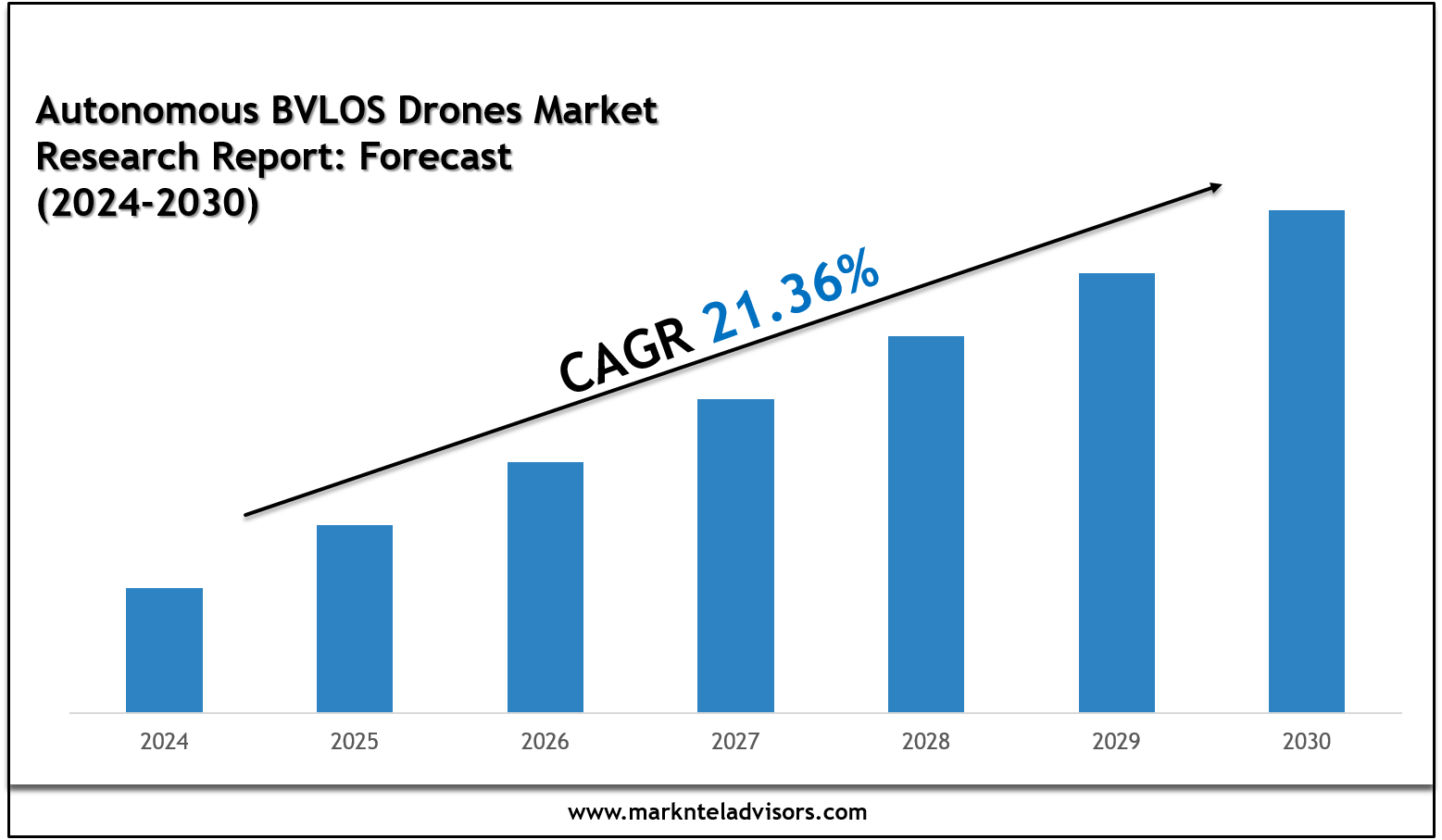
The Autonomous BVLOS Drones Market reports delivers an in-depth assessment of market size, share, and emerging trends, offering valuable insights into growth opportunities. It examines market segmentation and definitions, highlighting core components and key drivers of expansion. By applying SWOT and PESTEL analyses, the study evaluates the sector’s strengths, weaknesses,...
Global Fragrance Fixatives Market Outlook 2026-2033 Highlighting Growth Trends and Industry Expansion The Fragrance Fixatives Market is experiencing steady growth as manufacturers and consumers increasingly prioritize long-lasting, high-quality fragrances in personal care and cosmetic products. Valued at USD 1.73 Billion in 2025, the Fragrance...

The global "resource-security" and specialized "green-manufacturing" landscape of early 2026 is defined by a rigorous focus on "performance-durability" excellence and the maintenance of high-performance sustainability standards. The Polyester Filament Yarn Market forecast has emerged as a foundational technology in this environment, where the shift toward bio-based polymers and Post-Consumer...

A Budget Home Care Package is designed to help older Australians access essential support without unnecessary costs. Through Support At Home Programs, these packages focus on practical assistance such as personal care, domestic help, meal preparation, and basic health support. The aim is to make day-to-day living safer, easier, and more comfortable while staying within a manageable budget....