


The Science of Industrial Floors: Advice from a Resin Floor Contractor
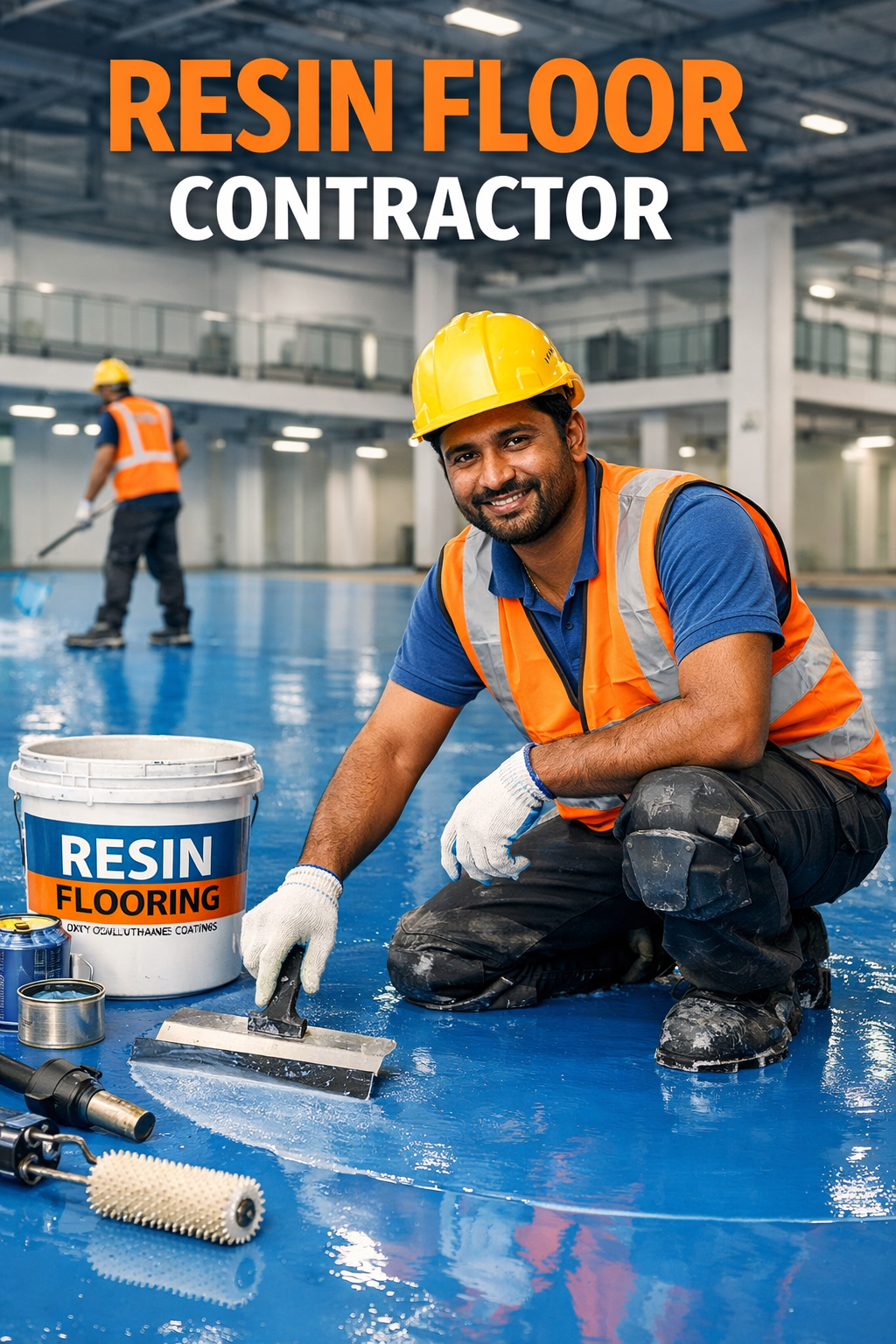
Industrial flooring is not just about aesthetics; it is a complex field of chemical engineering designed to protect the building. Without the right protective barrier, chemicals and oils can seep into concrete, causing structural damage over time. Consulting with an experienced resin floor contractor is the first step in protecting your physical assets from degradation.
Technical Insights from a Resin Floor Contractor
The chemistry behind resin floors involves polyurethanes, epoxies, and acrylics, each serving a specific purpose. Some are designed for flexibility, while others are built for extreme hardness. A contractor evaluates the chemicals used in your facility to ensure the floor coating will not melt or peel when exposed to them.
Thermal Shock and Temperature Resistance
In food processing or cold storage, floors are often subjected to extreme temperature changes during cleaning. Standard coatings will crack under this "thermal shock" because they expand and contract at different rates than the concrete. Specialized resin systems are engineered to move with the slab, preventing delamination in harsh environments.
Antimicrobial Properties for Food Safety
Hygiene is paramount in any facility that handles food or medicine. Resin floors can be infused with antimicrobial agents that inhibit the growth of mold and bacteria. Because the floor is seamless, there are no grout lines where pathogens can hide, making the cleaning process much more effective.
High-Build Systems for Heavy Loads
In manufacturing plants with heavy vibrating machinery, a thin coating is simply not enough. A professional epoxy floor contractor company will recommend a high-build system that can be several millimeters thick. This thickness provides a cushion that protects the structural concrete from the constant stress of heavy industrial operations.
ESD (Electrostatic Dissipative) Solutions
For electronics manufacturing, static electricity can destroy sensitive components and cost a company millions. ESD flooring provides a grounded path for static to discharge safely. Professionals install copper grounding strips beneath the resin layers to ensure the floor meets all technical safety standards for static control.
-
Protection against harsh acids and bases.
-
High-temperature wash-down compatibility.
-
Grout-free surfaces for superior hygiene.
-
Conductive options for electronics rooms.
-
Moisture testing and vapor analysis.
-
Shot blasting to achieve a CSP 3-5 profile.
-
Installation of cove base for wall protection.
-
Application of the chemical-resistant body coat.
-
Final inspection for thickness and consistency.
Conclusion:
Understanding the technical requirements of your industry is the key to choosing the right floor. A floor that fails after six months is a massive liability, whereas a professionally engineered system is a long-term asset. Trusting the science behind the materials ensures that your facility remains compliant, safe, and efficient.
Catégories
Lire la suite
Year-End Pokémon Events As the year draws to a close, Pokémon GO players are invited to celebrate the transition from 2025 to 2026 with a series of exciting events scheduled from December 29 to January 4. This week marks the second month of the Season of Precious Paths, featuring a mix of community days, holiday festivities, and special raid encounters. The week kicks off with Max...

Dubai is renowned for its luxurious lifestyle, modern skyline, and vibrant entertainment scene, making it a top destination for visitors seeking companionship. Among the most sought-after companions are Indian escorts, celebrated for their elegance, charm, and professional approach. Based on customer reviews, the top 20 Indian Escorts in Dubai stand out for providing exceptional services that...

Get updated and reliable FC0-U71 Dumps, FC0-U71 Exam Dumps, and FC0-U71 PDF Dumps from DumpsHero for effective exam preparation. Prepare smarter with expert-verified study materials designed to help you succeed in your CompTIA FC0-U71 certification exam on the first attempt. FC0-U71 Exam Dumps for Impressive Results on Your First Attempt DumpsHero provides highly reliable CompTIA FC0-U71...
Your packaging is the first physical touchpoint between your brand and your customer. When that touchpoint is a well-designed, professionally printed custom pizza box, it tells your audience that quality runs through everything you do. For UK food businesses — from independent pizzerias in Bradford and Birmingham to multi-site chains across London, Manchester, Leeds, and Glasgow...
Executive Summary Sorbitol Market Value, Size, Share and Projections The global sorbitol market size was valued at USD 1.81 billion in 2024 and is expected to reach USD 2.90 billion by 2032, at a CAGR of 6.1% during the forecast period. The large scale Sorbitol Market report has estimations of CAGR values which are very important for businesses in...