How to Choose the Right Leather Office Chair for Daily Work
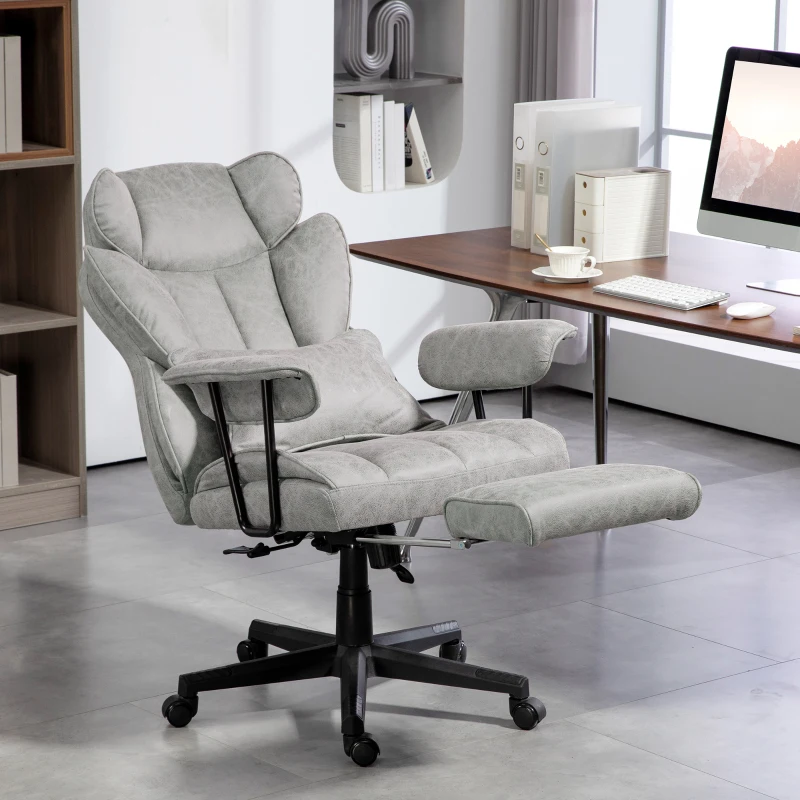
A leather office chair plays a bigger role in daily productivity than most people realise. The right choice supports posture, reduces physical strain, and helps maintain focus throughout long working hours. Below is a practical, easy-to-scan guide using short sections, clear bullets, and quick explanations.
Daily Sitting Habits Come First
Before looking at styles or finishes, think about how long the chair will be used each day. Chairs designed for extended sitting focus more on support than appearance.
-
Long desk hours require better back and seat support
-
Short work sessions allow more flexibility in design
-
Frequent movement benefits from swivel and tilt features
A chair should support natural posture changes, not restrict them.
Ergonomics Over Extra Padding
Soft cushioning alone doesn’t guarantee comfort. Proper ergonomics reduce pressure points and prevent stiffness during extended use.
Look for adjustable features such as:
-
Seat height control for proper leg alignment
-
Built-in lumbar support for the lower back
-
Recline or tilt tension for posture variation
-
Armrests that allow shoulders to stay relaxed
These features work together to keep the body aligned throughout the day.
Leather Type Affects Daily Comfort
Leather quality directly impacts how the chair feels during long hours. Choosing the right leather office chair material helps maintain comfort, durability, and easy upkeep over time.
Common choices include:
-
Genuine leather for breathability and long-term comfort
-
Bonded leather for a uniform, budget-friendly option
-
Faux leather for easy cleaning and spill resistance
Daily work benefits from leather that stays cool, flexible, and easy to maintain.
Seat Shape Matters More Than You Think
The seat supports most of the body’s weight. A poorly shaped seat can cause discomfort even if the backrest feels supportive.
-
Medium-firm cushioning holds shape longer
-
Curved edges reduce pressure behind the knees
-
Proper seat depth supports thighs without restricting movement
A well-designed seat helps maintain comfort hour after hour.
Backrest Support for Focused Work
A supportive backrest keeps posture upright without forcing stiffness.
Good backrests usually offer:
-
Gentle contouring along the spine
-
Enough height to support the upper back
-
Smooth recline that doesn’t feel abrupt
The goal is support that feels natural, not rigid.
Movement and Mobility
Daily tasks often require reaching, turning, or repositioning. Smooth movement prevents strain.
-
Swivel bases allow easy access around the desk
-
Rolling casters reduce unnecessary standing
-
Stable bases prevent tipping during recline
Easy mobility keeps work flowing without constant adjustment.
Build Quality for Everyday Use
Daily use quickly exposes weak construction. Strong materials ensure long-term reliability.
Signs of a durable chair include:
-
Reinforced frames and solid bases
-
Quiet, smooth adjustment mechanisms
-
Casters that roll evenly on common flooring
A sturdy chair feels balanced and dependable, even after repeated use.
Comfort That Lasts Beyond the First Week
Initial comfort can be misleading. The right leather office chair continues to feel supportive over time. Choosing a chair with proper ergonomics, quality materials, and thoughtful design helps reduce fatigue, improves posture, and makes daily work noticeably more comfortable.
Categories
Read More
"Future of Executive Summary Europe Long Read Sequencing Market: Size and Share Dynamics Data Bridge Market Research analyses that the long read sequencing market, which was USD 515.64 million in 2022, would be up to USD 2514.06 million by 2030 and is expected to undergo a CAGR of 21.9% during the forecast period 2023-2030 The Europe Long Read Sequencing Market report offers an analytical...

Looking for your dream home in Pune? Welcome to Godrej Aqua Vista, a premium residential project nestled in the heart of Keshav Nagar, Pune. Crafted by the trusted brand Godrej Properties, this thoughtfully planned development is designed to offer not just homes, but a refined lifestyle that blends modern architecture with serene surroundings. If you are searching for a property for sale that...

Polypropylene catalysts play a crucial role in determining the quality, performance, and efficiency of polypropylene production. These catalysts influence polymer structure, molecular weight, and mechanical properties, making them essential for manufacturers producing polypropylene for packaging, automotive, textiles, and consumer goods. As polypropylene remains one of the most widely used...
"Global Demand Outlook for Executive Summary Clinical Laboratory Services Market Size and Share CAGR Value The global clinical laboratory services market size was valued at USD 319.13 billion in 2024 and is expected to reach USD 569.17 billion by 2032, at a CAGR of 7.5% during the forecast period In order to make smart decisions about budgeting, Market...

Thanksgiving crowds poured into cinemas nationwide, delivering strong midweek numbers across several releases. Adult audiences embraced Universal's R-rated thriller "Spy Game," propelling its opening to $4 million Wednesday and $5.1 million Thursday. Meanwhile, Disney/Pixar's "Monsters Inc." demonstrated enduring appeal, adding $4.2 million and $4.3 million respectively to reach $168 million...