


Poultry Light — Improving Growth, Health, and Productivity in Poultry Farming
Poultry light plays a very important role in modern poultry farming. Proper lighting helps control bird behavior, improve growth rates, increase egg production, and maintain overall flock health. Farmers use specialized lighting systems inside poultry houses to create the right environment for chickens, turkeys, and other birds. With the right lighting setup, poultry farms can become more efficient and productive while also improving animal welfare.
What is Poultry Light?
Poultry light refers to artificial lighting systems designed specifically for poultry farms. Unlike regular household lighting, poultry lighting is carefully adjusted based on brightness, color, and duration to match the biological needs of birds. Chickens and other poultry respond strongly to light cycles, which affect their feeding habits, sleep patterns, and reproductive systems.
Modern poultry lights often use LED technology because they are energy-efficient, long-lasting, and easy to control. Farmers can adjust brightness levels and lighting schedules to create the best conditions for birds at different growth stages.
Importance of Proper Poultry Lighting
Lighting directly affects poultry behavior and productivity. For example, chicks need longer light periods to encourage feeding and growth during the early stages of life. Laying hens require controlled light cycles to maintain consistent egg production.
Proper poultry lighting also helps reduce stress among birds. Balanced lighting makes birds calmer and reduces aggressive behavior such as pecking. Consistent lighting conditions also help birds maintain regular sleeping and feeding patterns, which improves their overall health.
On the other hand, poor lighting can cause problems such as slow growth, reduced egg production, and increased stress. Too much light or uneven lighting can make birds restless and negatively impact their well-being.
Types of Poultry Light Systems
There are several types of lighting systems used in poultry farming:
LED Lights: LED poultry lights are the most popular choice because they consume less energy and last longer. They also produce less heat, making them safer for birds.
Fluorescent Lights: These lights provide bright illumination but are less efficient than LED lights. Some older poultry houses still use them.
Natural Lighting: Some farms combine artificial lighting with natural sunlight through windows or transparent panels. Natural light helps reduce electricity costs and supports bird health.
Smart Lighting Systems: Advanced poultry farms use automated lighting systems that adjust brightness and duration based on bird age and production goals.
Each system offers unique benefits, but LED and smart lighting solutions are becoming the standard in modern poultry farming.
Benefits of Using Proper Poultry Light
Implementing a good poultry lighting system provides several advantages:
-
Better Growth Rates: Proper lighting encourages birds to eat more regularly and grow faster.
-
Higher Egg Production: Controlled light cycles help laying hens produce eggs consistently.
-
Improved Bird Health: Balanced lighting reduces stress and promotes natural behavior.
-
Energy Efficiency: Modern LED systems reduce electricity consumption and operating costs.
-
Better Farm Management: Automated lighting ensures consistent conditions without constant manual adjustments.
These benefits make poultry lighting an essential part of successful poultry operations.
Key Factors to Consider When Choosing Poultry Lights
When selecting poultry lighting systems, farmers should consider several important factors:
Light Intensity: Different growth stages require different brightness levels. Chicks may need brighter light initially, while mature birds require moderate lighting.
Light Duration: The number of hours birds are exposed to light affects feeding and egg production. Timers and automated systems help maintain proper schedules.
Light Color: Some research suggests that different light colors may influence bird behavior and growth. For example, warm light can create a calm environment.
Durability: Poultry houses can be dusty and humid, so lights must be strong and resistant to harsh conditions.
Energy Consumption: Energy-efficient lighting reduces long-term operating costs.
Choosing the right combination of these factors ensures that poultry lighting meets both animal welfare and production goals.
Future Trends in Poultry Lighting
Technology is continuously improving poultry lighting systems. Smart LED lights now allow farmers to control lighting remotely using mobile apps. Sensors can adjust lighting automatically based on natural daylight levels or bird activity.
Researchers are also studying how different light spectrums influence bird growth and behavior. In the future, customized lighting programs may be used to maximize productivity while maintaining animal welfare.
Sustainable farming practices are also encouraging the use of solar-powered lighting and eco-friendly designs. These innovations help farms reduce their environmental impact while improving efficiency.
Conclusion
Poultry light is a key factor in successful poultry farming. Proper lighting improves bird health, increases growth rates, and supports consistent egg production. By using modern lighting systems such as LED and smart automation, farmers can create optimal environments for their flocks while reducing energy costs.
As technology continues to advance, poultry lighting will play an even bigger role in shaping efficient and sustainable poultry farms. Investing in the right lighting system is an important step toward improving productivity and ensuring the well-being of birds.
Категории
Больше
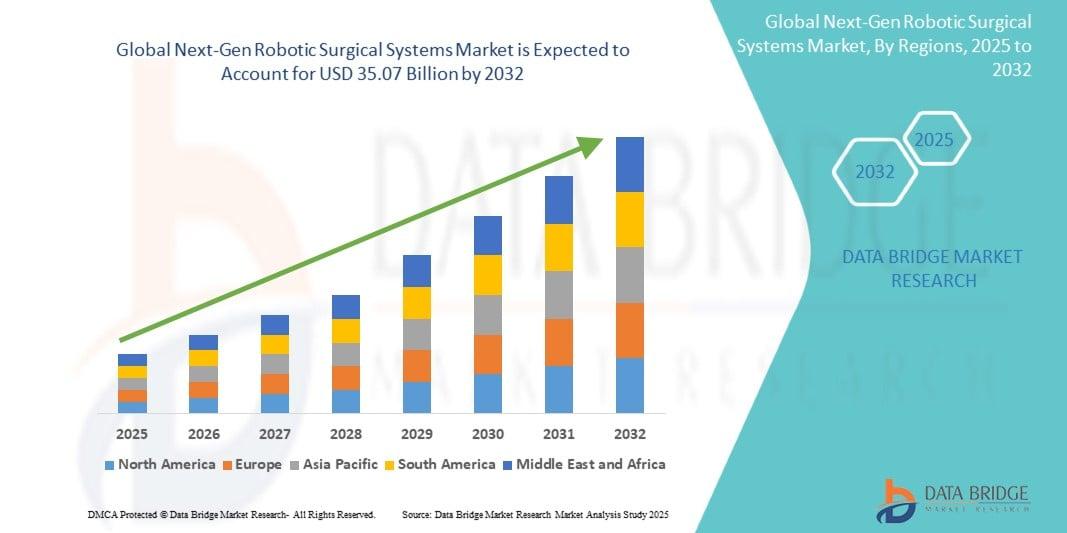
"Next-Gen Robotic Surgical Systems Market Summary: According to the latest report published by Data Bridge Market Research, the Next-Gen Robotic Surgical Systems Market CAGR Value The Next-Gen Robotic Surgical Systems Market business research report is fragmented in several features which include manufacturers, region, type, application, market status, market share, growth rate,...
3D dental scanners have become an essential part of digital dentistry, enabling high-resolution imaging for orthodontics, implantology, restorative dentistry, and cosmetic procedures. These scanners provide accurate digital impressions while eliminating many limitations associated with traditional dental molds. The growing awareness of aesthetic dentistry, coupled with technological...

In the evolving landscape of digital marketing, the relationship between a central company directory website and social media platforms has moved beyond simple link sharing. It is now a symbiotic intelligence loop that feeds search engine algorithms and AI Overviews with high-trust signals. For UK SMEs, navigating this space requires more than just "being online"; it requires a...

Creating a productive workspace begins with understanding how different elements of office design influence employee comfort, workflow, and overall performance. In today’s fast-paced business world, organizations are prioritizing well-planned work environments that encourage collaboration, efficiency, and creativity. After the first two lines of this introduction, it becomes...

"Executive Summary Synchronous Condenser Market Research: Share and Size Intelligence The global synchronous condenser market size was valued at USD 2.75 billion in 2024 and is expected to reach USD 3.80 billion by 2032, at a CAGR of 4.1% during the forecast period The credible Synchronous Condenser report has estimations of CAGR values, which are very...