High-Precision 72 Angular Contact Ball Bearing for Spindles
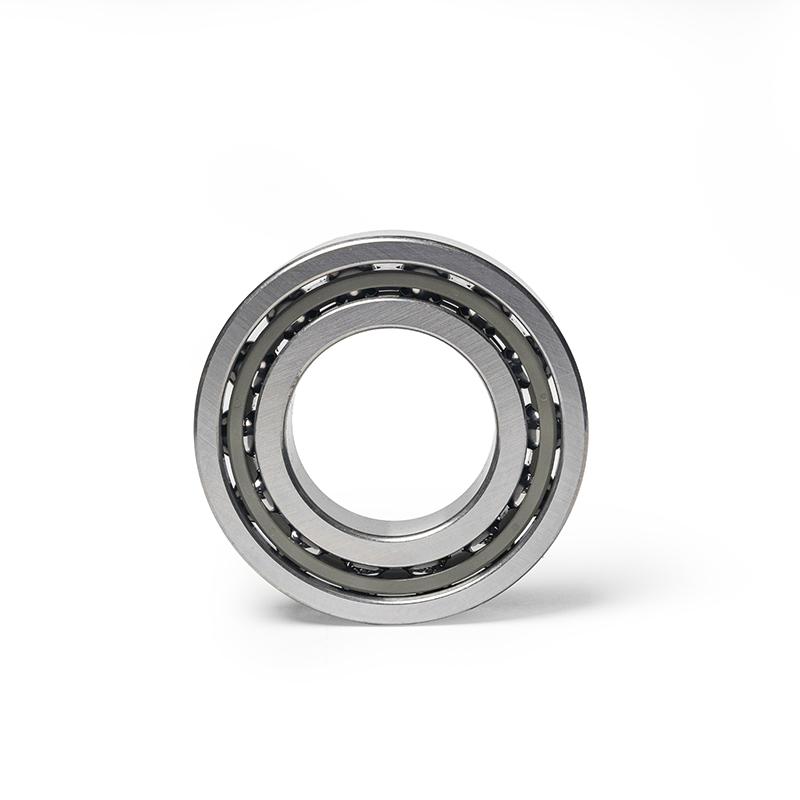
In modern CNC machines, grinding systems, and high-speed motors, stability is everything. When spindle systems lose rigidity or experience vibration, machining accuracy drops immediately. Surface finish declines, tools wear faster, and downtime increases.
Many of these issues come from using bearings that cannot properly handle combined radial and axial loads at high speeds. The 72 angular contact ball bearing is engineered to solve this exact problem in precision industrial applications.
The Problem: Axial Load Instability in High-Speed Machines
Spindles operate under constant radial load from rotation and axial load from cutting forces. At high RPM, even minor internal clearance variation can cause:
-
Excess heat generation
-
Reduced preload accuracy
-
Increased vibration
-
Shaft displacement
-
Premature bearing wear
Standard bearings often lack the axial stiffness needed for heavy-duty machining operations.
Production Downtime and Cost Impact
When spindle bearings fail, the consequences are serious:
-
Production interruption
-
Reduced machining precision
-
Increased scrap rate
-
Higher maintenance expenses
For OEM manufacturers and machine builders, bearing reliability directly affects customer satisfaction and brand reputation.
The Solution: What Is a 72 Angular Contact Ball Bearing?
A 72 angular contact ball bearing is designed with a larger contact angle compared to the 70 series. This allows it to support higher axial loads while maintaining strong radial load capacity.
The 72 series typically has a slightly thicker cross-section, improving rigidity and load stability. It is widely used in:
-
CNC machining centers
-
Vertical and horizontal spindles
-
Precision grinding equipment
-
Heavy-duty electric motors
-
Automation systems
High-quality 72 angular contact ball bearing products are manufactured with tight tolerance control, precision grinding, and optimized raceway geometry.
How It Works
The bearing raceways are designed at a specific contact angle. This angle allows load transfer between balls and raceways under both radial and axial forces.
When installed in matched pairs (DB, DF, or DT arrangements), the bearings provide:
-
Bidirectional axial load support
-
Higher rigidity
-
Stable preload control
-
Improved running accuracy
This design ensures consistent performance even under demanding spindle conditions.
Limitations of Traditional Bearing Solutions
Deep groove ball bearings are widely used but are not optimized for heavy axial load conditions. Their limitations include:
-
Limited axial stiffness
-
Lower positioning accuracy
-
Higher temperature rise at high speeds
-
Reduced vibration control
In precision machining, these limitations cause dimensional deviation and tool instability.
Key Features of 72 Angular Contact Ball Bearing
Higher Axial Load Capacity
The increased contact angle allows greater axial force handling. This is critical in milling and drilling operations where cutting forces are significant.
Improved Rigidity
The structural design enhances stiffness, reducing shaft deflection and maintaining alignment.
Thermal Stability at High Speed
Optimized internal geometry and precision finishing reduce friction and heat generation, maintaining preload consistency.
Other key advantages:
-
High rotational accuracy
-
Low vibration
-
Long service life
-
Available in high precision grades (P4, P5)
Comparison Table: Standard vs 72 Series Bearings
| Feature | Deep Groove Bearing | 72 Angular Contact Ball Bearing |
|---|---|---|
| Axial Load Capacity | Low | High |
| Spindle Application | Limited | Ideal |
| Rigidity | Moderate | High |
| High-Speed Suitability | Moderate | Excellent |
| Precision Options | Standard | High precision grades |
| Thermal Performance | Average | Optimized |
For high-load spindle systems, structural rigidity is essential.
Real Industrial Applications
72 angular contact ball bearings are commonly used in:
-
CNC milling machines
-
Precision grinding spindles
-
High-speed machining centers
-
Heavy-duty cutting systems
-
Robotics joints
-
Aerospace manufacturing
In these environments, even micron-level displacement can affect final product quality.
Why Manufacturers Prefer 72 Series Bearings
Manufacturers choose 72 series bearings because they:
-
Improve spindle stiffness
-
Handle higher axial forces
-
Maintain stable machining accuracy
-
Reduce downtime
-
Extend equipment life
For industrial buyers, long-term operational stability matters more than initial cost savings.
How to Select the Right 72 Angular Contact Ball Bearing
When selecting a 72 angular contact ball bearing, consider:
-
Operating speed (RPM)
-
Axial and radial load values
-
Required rigidity
-
Precision grade (P4, P5, etc.)
-
Contact angle specification
-
Mounting arrangement
-
Lubrication method
Also evaluate preload settings carefully. Incorrect preload can reduce bearing life.
Partnering with an experienced manufacturer ensures proper technical support and consistent quality.
Conclusion
High-speed spindle systems require more than standard components. They demand bearings designed specifically for combined loads and precision stability.
The 72 angular contact ball bearing provides enhanced axial load capacity, superior rigidity, and reliable high-speed performance. For engineers, OEM manufacturers, and procurement teams, selecting the right spindle bearing is a strategic decision that directly impacts productivity and machine lifespan.
الأقسام
إقرأ المزيد
"Executive Summary Small Hydropower Market: Growth Trends and Share Breakdown During the forecast period of 2025 to 2032 the market is likely to grow at a CAGR of 2.10%, primarily driven by surging demand for aluminum-silicon alloys The key highlights of this Small Hydropower Market report are key market dynamics, the current market scenario, and future prospects of the sector. By...

The global Kinase Inhibitors Market is witnessing steady expansion as targeted therapies continue to reshape modern healthcare. Valued at US$ 58,090.1 Mn in 2023, the market is projected to reach US$ 89,929.8 Mn by 2034, growing at a CAGR of 3.9% from 2024 to 2034. Rising cancer prevalence, continuous innovation in targeted therapies, and increasing adoption of personalized medicine are the...
Custom half-circle tags are used in many packaging ideas today. They help brands show simple product details in a clean way. Many small shops and larger businesses use them for labels and branding work. These tags come in many styles and sizes, and they can match different product types. Some people use them for gifts, and others use them for retail items. They are simple but useful for daily...
SARANG188 adalah salah satu situs judi bola online terpercaya yang telah dikenal luas di kalangan pecinta taruhan olahraga. Sebagai agen resmi SBOBET Mobile, sarang188 menyediakan akses mudah melalui berbagai link alternatif seperti link sarang188 atau sarang188 alternatif. Sehingga para pemain dapat tetap bermain tanpa hambatan. Dengan layanan profesional dan sistem keamanan tinggi, situs ini...
The Marni shirt black and white — ranging from striped organic cotton jersey crewnecks and graphic logo placements on soft jersey to contrast-bib poplin button-downs and subtly embroidered or panelled executions — continues to represent one of the most consistently intelligent and adaptable pieces in Marni’s ready-to-wear lineup. Rather than treating black and white as a...