


The Impact of AI on Web Design: Will It Replace Designers?

AI is everywhere right now. It writes text, generates images, suggests layouts, and even builds basic websites in minutes. It’s natural for people to ask the uncomfortable question: if machines can design websites, what happens to human designers?
The short answer is this: AI is changing web design, but it isn’t replacing website designers. It’s shifting what the job actually involves. To understand why, you need to look past the hype and focus on how design work really happens.
What AI is already doing in web design
AI is very good at repetitive tasks. That’s where it’s making the biggest impact. Layout generators can suggest page structures. Design tools can recommend color palettes or font pairings. Builders can spin up a functional site from a short prompt. Code assistants speed up development by handling common patterns.
All of this saves time. It removes friction from early stages of a project. For a website designer, that’s not a threat. It’s relief. The work that used to take hours now takes minutes. The work that remains is the part that actually needs human judgment.
Why speed doesn’t equal strategy
AI can generate a website quickly. It can’t decide whether that website makes sense. A tool doesn’t know your business goals. It doesn’t understand your customers’ objections. It doesn’t know why people choose you over competitors. It can guess based on patterns, but guessing isn’t strategy.
Design is more than assembling parts. It’s deciding what to leave out. It’s choosing what matters most. It’s aligning structure, content, and tone around a real goal. That kind of decision-making is still firmly human territory.
Design is about trade-offs, not options
AI tools are great at offering options. Ten layouts. Twenty color schemes. Five variations of a homepage. The problem is that more options don’t make decisions easier. They make them harder.
A good website designer doesn’t just present choices. They help narrow them. They explain why one direction fits better than another. They balance constraints like budget, timeline, brand maturity, and audience expectations.
AI doesn’t feel those constraints. It doesn’t carry responsibility for the outcome. Humans do.
Understanding people is still the hard part
Websites exist for people, not algorithms. Understanding user behavior means reading between the lines. Why users hesitate. Why they scroll past certain sections. Why a form feels annoying or a headline feels off.
AI can analyze data, but it can’t sit in a client call and hear uncertainty in someone’s voice. It can’t notice when feedback is polite but unenthusiastic. It can’t intuit emotional response the way humans do.
Design decisions often come from these subtle signals. That’s where experienced designers add value.
AI changes the tools, not the responsibility
The responsibility for a website’s success doesn’t disappear when AI enters the process. If a site fails to convert, loads slowly, confuses users, or misrepresents a brand, someone has to fix it. Someone has to explain why it happened. Someone has to make better choices next time.
That responsibility still sits with humans. AI doesn’t get blamed when a launch goes wrong. The website designer does. That alone ensures the role doesn’t vanish.
The myth of fully automated creativity
Creativity isn’t random generation. It’s context-driven problem solving.
AI can remix existing ideas. It can spot patterns across massive datasets. What it can’t do is decide which idea is right for this moment, this audience, and this business.
Great design often breaks patterns intentionally. It bends expectations. It reacts to nuance. Those moves don’t come from averages. They come from judgment. AI follows patterns. Designers decide when to follow and when to break them.
What website designers are actually becoming
The role of the website designer is evolving, not shrinking. Less time is spent pushing pixels or writing boilerplate code. More time is spent thinking, editing, refining, and aligning.
Designers are becoming curators instead of producers. Editors instead of builders. Translators between business needs and digital execution. This shift rewards designers who understand strategy, communication, and user psychology. It exposes those who rely only on tools without understanding why things work.
Where AI genuinely helps designers
Used well, AI makes designers better. It speeds up early exploration. It helps test ideas faster. It reduces the cost of iteration. It frees mental energy for higher-level thinking.
Designers who embrace AI often produce stronger work because they spend less time on busywork and more time on decisions that matter. The key is control. AI assists. Humans decide.
What clients should understand
For clients, AI changes expectations. You can get a website quickly now. That doesn’t mean you get a good one by default. Tools can generate structure, but they can’t guarantee clarity, trust, or alignment.
A website designer adds value by making sense of complexity. By asking uncomfortable questions. By pushing back on bad ideas. By shaping something coherent from scattered inputs. That role becomes more important, not less, as tools become more powerful.
The real risk isn’t AI. It’s sameness.
The biggest risk AI introduces isn’t job loss. It’s uniformity. When everyone uses the same tools with the same prompts, designs start to look the same. Layouts repeat. Styles blur together. Brands lose distinction.
Human designers are the counterbalance. They inject perspective, originality, and intention. They ensure a site feels like this business, not any business.
So, will AI replace designers?
No. But they will replace parts of the job that were never the point to begin with. They’ll handle setup. They’ll handle suggestions. They’ll handle repetition. Designers will handle thinking.
The designers who struggle will be the ones who never moved beyond tools. The ones who thrive will be those who understand people, goals, and trade-offs. AI doesn’t remove the need for designers. It raises the bar for what good design actually is.
Final thoughts
AI is reshaping web design in practical ways. It’s faster. It’s cheaper. It’s more accessible. Those are good things. But design is still a human discipline. It’s about judgment, communication, and responsibility. Tools don’t replace those qualities. They amplify them.
A skilled website designer isn’t threatened by AI. They’re empowered by it. The future of web design isn’t robots versus humans. It’s humans who know how to use robots well.
الأقسام
إقرأ المزيد
In a world overflowing with visual content, standing out isn’t just an advantage—it’s a necessity. Whether you’re promoting a business, an event, or a personal project, the medium you choose speaks volumes about your brand’s identity. Enter foam board posters—the ultimate combination of durability, clarity, and striking visual appeal. If you’ve been...

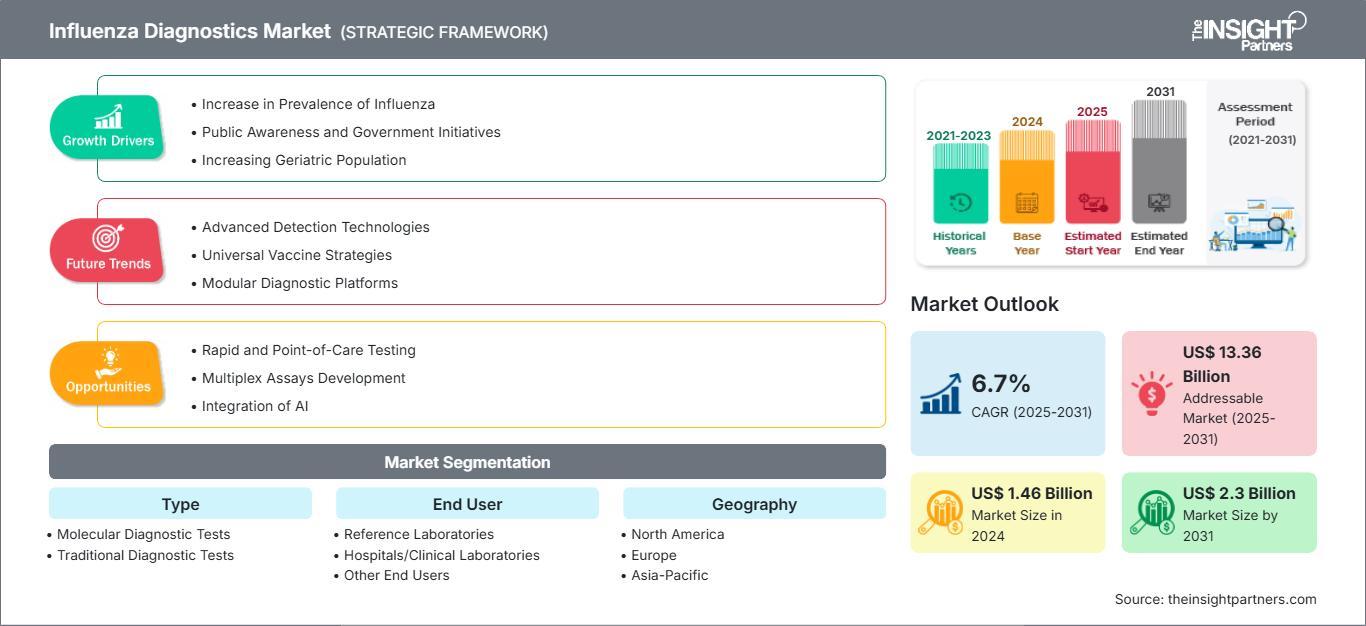
The global healthcare community is currently navigating a period of heightened vigilance against infectious diseases. Among these, seasonal and pandemic flu remain at the forefront of public health concerns. This sustained pressure has fundamentally reshaped the Influenza Diagnostics Market Demand transforming it from a seasonal spike-based industry into a robust, year-round market driven by...
Pest problems can affect hygiene, comfort, and property condition if not managed properly. While some issues may seem small at first, they can grow quickly without the right approach. Hiring professional pest control services helps address these problems in a safe and structured way. It also provides long term protection for homes and businesses. In residential communities and commercial...

In the modern digital era, where every business strives to stand out online, search engine visibility has become a crucial factor for success. Whether it’s a local café, a real estate firm, or an e-commerce store, your ranking on Google can determine how potential customers find and trust you. Among the many marketing agencies in Uttarakhand, Saar Asia has emerged as a true leader,...

As the 2025 Major League Baseball season wraps up, the Los Angeles Dodgers have secured back-to-back World Series titles, marking a historic achievement. With the postseason concluding, attention now shifts to the upcoming content updates in MLB The Show 25. This year's postseason introduces exciting new features, including the 10th Inning Program and an XP Reward Path, which pave the way for...
