Why Sustainable Energy Is the Real Competitive Advantage
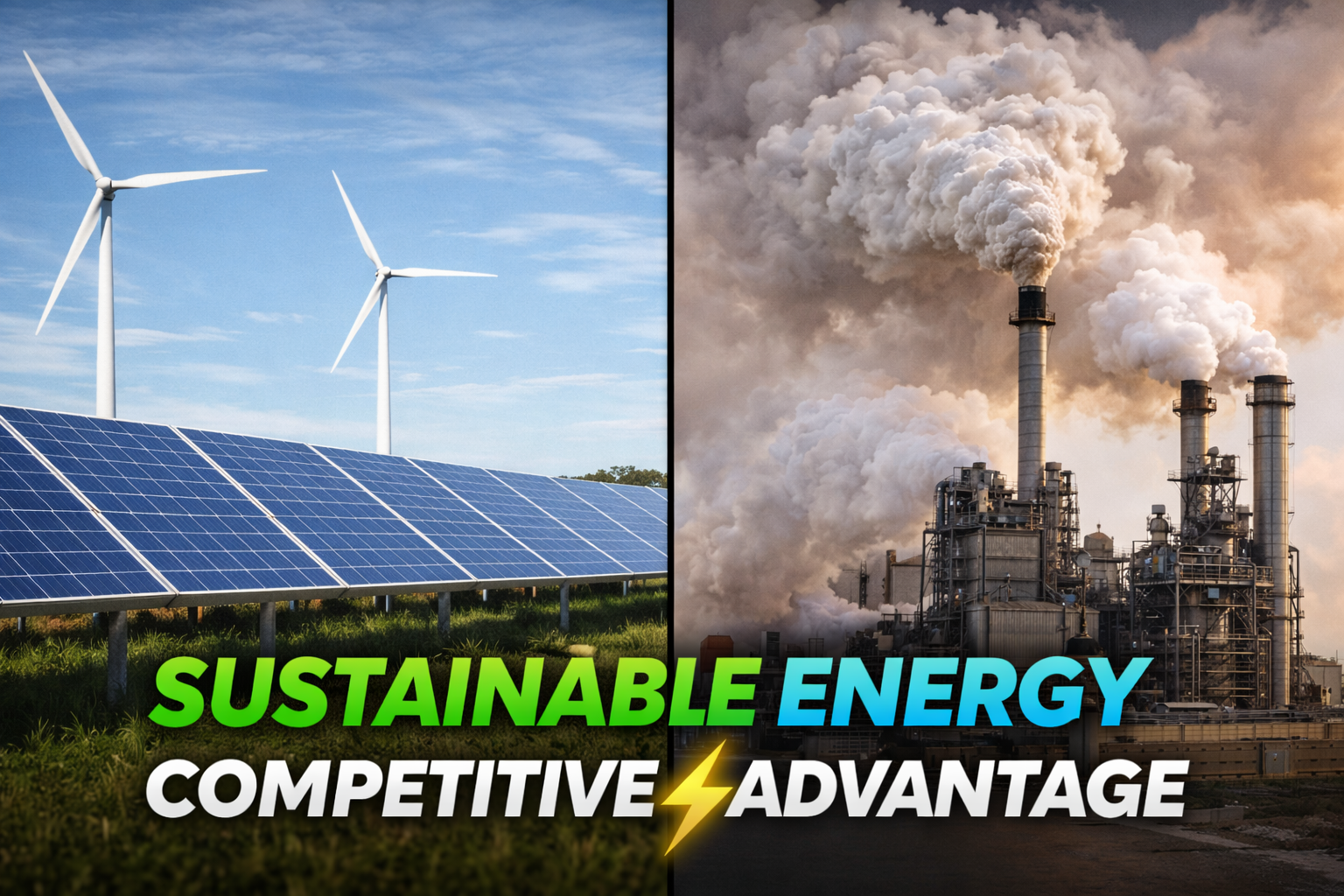
In today’s fast-paced world, success is often measured by output — longer hours, faster results, and constant availability. Many people chase short bursts of productivity, relying on caffeine, pressure, or adrenaline to stay ahead. But while intensity may create temporary wins, it rarely leads to long-term performance.
The real competitive advantage isn’t working harder for a few days. It’s maintaining sustainable energy over months and years.
The Problem With Short-Term Boosts
Quick energy boosts feel powerful. Deadlines are met. Goals are achieved. Progress is visible. However, these spikes are often followed by dips — mental fog, physical fatigue, and reduced motivation.
When energy fluctuates dramatically, consistency suffers. Productivity becomes unpredictable. Confidence rises and falls with stamina. Over time, this instability can limit growth more than lack of skill or opportunity.
True success depends on reliability, not intensity alone.
What Sustainable Energy Really Means
Sustainable energy is not about being hyperactive or constantly “on.” It’s about having steady physical and mental capacity throughout the day without severe crashes.
It allows you to:
-
Stay focused for longer periods
-
Make clear decisions under pressure
-
Maintain emotional balance
-
Perform consistently without burnout
Unlike temporary stimulation, sustainable energy supports both performance and recovery.
Why Energy Management Beats Time Management
Many high performers focus heavily on managing time. Calendars are optimized. Tasks are prioritized. Schedules are packed efficiently.
But even the most perfectly planned day falls apart when energy is low.
Energy management recognizes that performance depends on physical and mental capacity — not just hours available. Protecting sleep, nutrition, hydration, and mental recovery ensures that when time is used, it’s used effectively.
Without stable energy, productivity becomes forced rather than natural.
The Hidden Cost of Ignoring Recovery
Recovery is often misunderstood as laziness or lack of ambition. In reality, recovery is what allows progress to continue.
When rest is neglected:
-
Stress levels remain elevated
-
Focus declines
-
Physical stamina weakens
-
Motivation becomes inconsistent
Over time, constant pressure without restoration leads to diminishing returns. Sustainable performers understand that recovery is part of the strategy, not a break from it.
Building a Foundation for Sustainable Performance
Creating stable energy doesn’t require extreme routines. It requires consistency in key areas:
1. Sleep Quality
Consistent sleep schedules regulate hormones and improve mental clarity.
2. Balanced Nutrition
Regular meals with stable nutrients prevent energy spikes and crashes.
3. Physical Movement
Daily activity supports circulation and oxygen flow, enhancing endurance.
4. Mental Boundaries
Disconnecting from work and screens allows the nervous system to reset.
Small habits, repeated daily, create a steady foundation for long-term vitality.
Confidence Grows With Stability
When energy is predictable, performance becomes dependable. You show up the same way each day — focused, steady, and capable. This reliability builds trust with others and strengthens self-confidence.
In competitive environments, the person who maintains steady performance often outlasts the one who relies on bursts of intensity.
Sustainable energy supports resilience. And resilience wins in the long run.
Final Thoughts
The world often celebrates hustle, speed, and nonstop productivity. But lasting success belongs to those who protect their energy as carefully as they pursue their goals.
Sustainable energy is the real competitive advantage because it fuels consistent action, clear thinking, and long-term growth. Instead of chasing temporary boosts, building steady vitality creates momentum that doesn’t fade.
Performance is not about how hard you can push today — it’s about how strong you can remain tomorrow. Read more..
Categorie
Leggi tutto
Outdoor spaces play a vital role in shaping how a property feels and functions. A well-maintained gardener service in ibiza creates a welcoming atmosphere, enhances visual appeal, and supports a more relaxed lifestyle. For property owners seeking to elevate their surroundings, a gardener service in Ibiza offers a practical and effective way to maintain beautiful, healthy landscapes throughout...

Maintaining a healthy body weight is important for overall wellness, energy, and confidence. Many people today struggle with extra weight because of busy lifestyles, unhealthy eating habits, lack of exercise, poor sleep, and stress. While quick-fix diets may promise fast results, long-term success usually comes from simple and sustainable lifestyle changes. Healthy weight loss is not about...

Businesses today depend on reliable technology to stay productive, communicate effectively, and protect valuable data. Microsoft Office 365 provides a complete cloud-based productivity platform that helps organizations work smarter from any location. Whether your employees work in the office, remotely, or in a hybrid environment, this solution offers the flexibility and security modern...

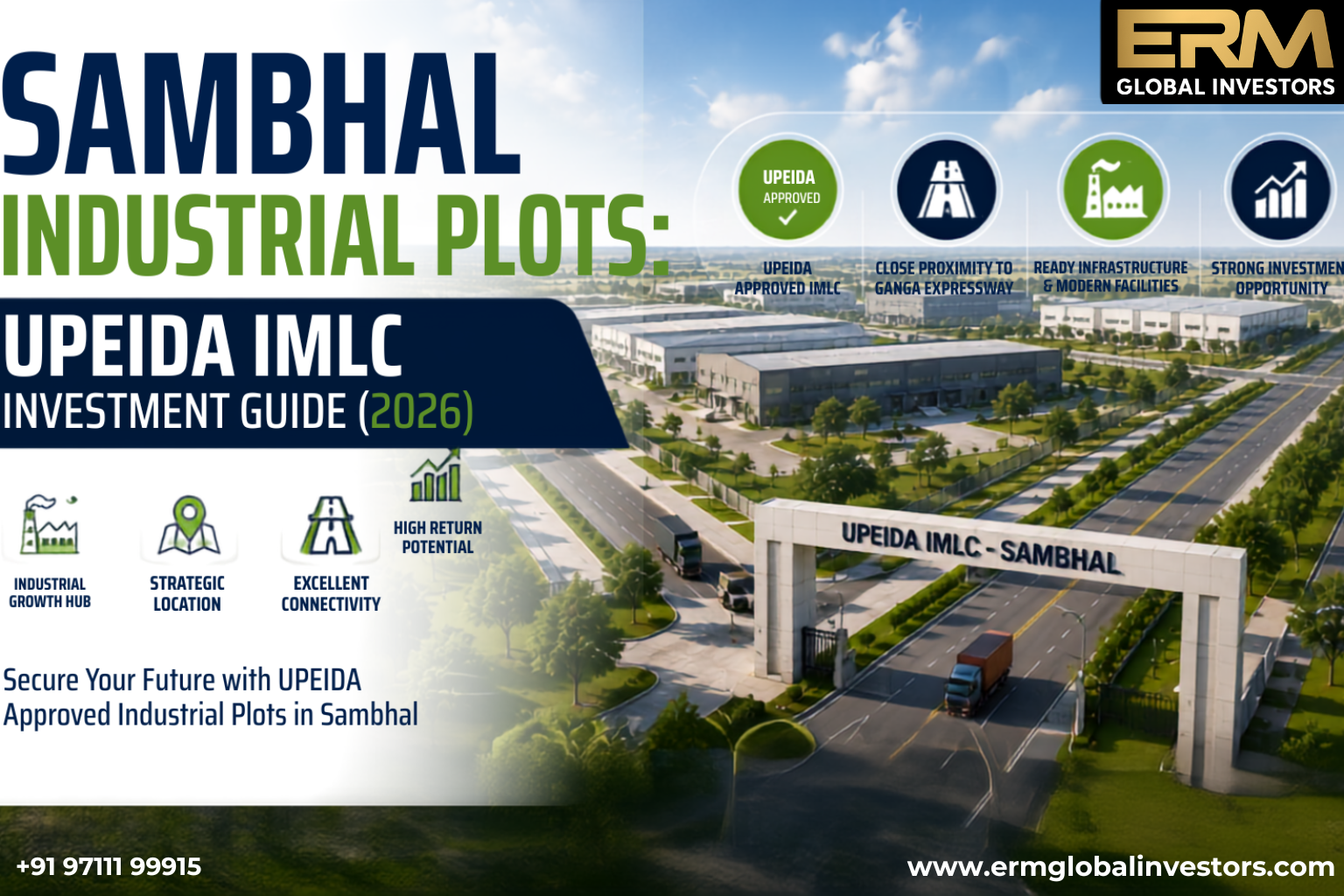
What Is the Sambhal IMLC Project? The Uttar Pradesh government has approved a big industrial park in Sambhal, right along the Ganga Expressway. It is being built by the Uttar Pradesh Expressways Industrial Development Authority (UPEIDA). This park is called an IMLC. That's short for "Integrated Manufacturing and Logistics Cluster." In simple terms, it's a planned industrial zone. Factories,...
The Rise of the Essentials Hoodie in Contemporary Fashion In today’s fast-moving fashion world, trends come and go quickly, but some pieces manage to hold their ground and evolve into timeless staples. The Essentials Hoodie is one of those rare creations that has captured the attention of both streetwear enthusiasts and everyday fashion lovers. It is not just another hoodie; it...