


Why food process optimisation software actually matters
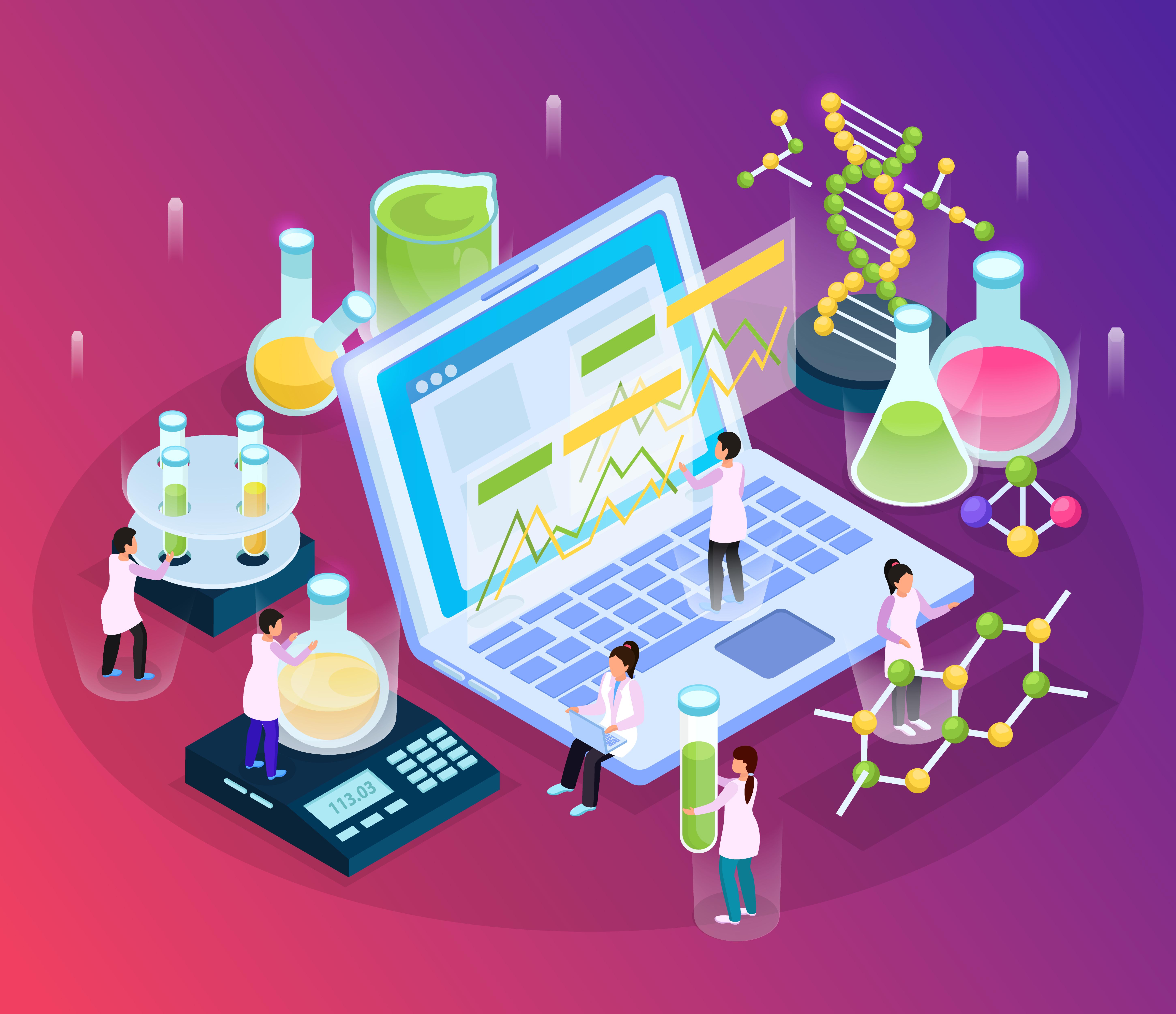
Most food teams don’t wake up thinking about software. They wake up thinking about batches, yield, spoilage, missed specs, and why last night’s run went sideways. I’ve seen plants run on gut feel and sticky notes. It works, until it doesn’t. Food process optimization software steps in when the chaos gets expensive. It’s not magic. It’s visibility. You see where time leaks out, where raw materials bleed margin, where rework quietly eats your day. The good tools don’t boss people around. They show patterns you can’t see when you’re knee-deep in production. That’s when small changes start paying off, fast.
The messy reality of modern food manufacturing
Let’s be honest. Food production is messy. Variability in ingredients, last-minute schedule changes, equipment that behaves great on Tuesday and awful on Friday. You can plan, then reality shows up and laughs. Optimization software doesn’t make things perfect. It gives you a way to respond without guessing. You start to connect the dots between upstream quality and downstream waste. You notice that one supplier lot throws off moisture levels. You catch small drifts before they blow up compliance. Over time, teams stop firefighting and start tuning the process. That’s a different way of working. Calmer. Still busy, just less frantic.
Where life sciences software development changes the game
Here’s the part people miss. The best food process optimization software borrows a lot from life sciences software development. Same mindset. Traceability. Validation. Audit trails. Data you can defend. In regulated environments, that’s not optional. When food tech teams partner with folks who’ve built systems for pharma or biotech, the bar gets higher. You see better data integrity, cleaner models, fewer “trust me” steps. It also means systems that don’t fall apart during audits. Or when you scale. Life sciences software development brings discipline to food ops without killing speed. That balance matters more than most vendors admit.
Real-world gains, not just dashboard candy
Dashboards look nice. Everyone loves a chart. But the value shows up on the floor. Shorter changeovers. Fewer rejected batches. Tighter yields. Operators stop chasing numbers and start trusting them. I’ve watched a team cut waste just by standardizing how they captured process data. No big transformation. Just consistency. Food process optimization software makes those small wins repeatable. It’s boring work, kind of. But boring done well compounds. Over months, margins improve. Quality stabilizes. The plant feels less reactive. That’s the stuff that keeps operations leaders sleeping at night.
Choosing software without getting burned
Vendors will promise the moon. Be skeptical. Ask how their models handle variability. Ask what breaks when data is messy, because data is always messy. Look for systems built with real operators in mind, not just executives. If the UI fights your team, adoption dies. And if the backend isn’t built with the rigor you see in life sciences software development, you’ll feel it later. During audits. During scale-ups. During that one bad incident when everyone wants answers yesterday. Choose tools that grow with you, not tools you’ll rip out in two years.
Integration pain is real, plan for it anyway
No one likes integration work. It’s slow, and it exposes how janky your systems are. But food process optimization software doesn’t live alone. It has to talk to ERP, MES, lab systems, sometimes homegrown tools no one fully understands anymore. This is where experienced life sciences software development teams earn their keep. They’ve wrestled with ugly stacks before. They know how to validate data flows. Expect friction. Budget time. The payoff is a single source of truth, which sounds fluffy until you’ve lived without one. Then it feels like oxygen.
The human side of optimization
Software doesn’t change culture by itself. People do. If teams think optimization is just another management fad, they’ll game the system. Or ignore it. The rollout has to feel practical. Show them how the data helps them, not just leadership. Celebrate small wins. Let operators point out when the model is wrong, because it will be wrong sometimes. Food process optimization software works best when it’s treated like a tool, not a judge. You learn together. You adjust. Over time, the system starts to reflect how work actually gets done, not how a slide deck said it should.
Conclusion: build smarter processes without pretending it’s easy
There’s no silver bullet here. Food process optimization software won’t fix broken processes overnight. But paired with solid life sciences software development principles, it gives food teams a real edge. Better data. Fewer surprises. More control in a messy world. It’s work to get right. Integration hurts a bit. Change management is awkward. Still worth it. The plants that invest in this stuff early tend to move faster later, when everyone else is scrambling. That’s the quiet advantage most people only notice when it’s too late.
Catégories
Lire la suite
Latest Insights on Executive Summary Ultra High Temperature (UHT) Processing for Dairy Products Market Share and Size The global ultra high temperature (UHT) processing for dairy products market size was valued at USD 84.6 billion in 2024 and is expected to reach USD 197.79 billion by 2032, at a CAGR of 11.20% during the forecast...

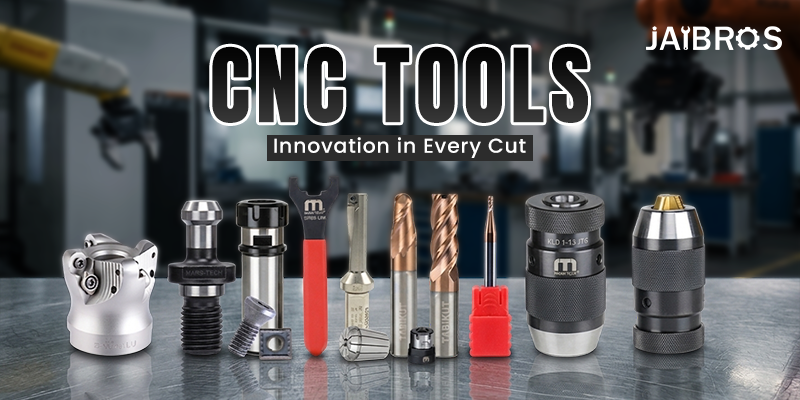
Discover CNC tool solutions for complex machining tasks. Learn how the best CNC tools improve precision, efficiency, and performance in modern manufacturing. Advanced CNC Tool Strategies for Handling Complex Machining Operations Modern manufacturing has become increasingly advanced, requiring precise and efficient machining solutions. Industries such as aerospace,...
Best Psychotherapist in Bangalore: A Complete Guide to Finding the Right Support | Happy Lab Life in a fast-paced city like Bangalore can feel exciting one moment and overwhelming the next. Between work pressure, family responsibilities, traffic, social expectations, and the constant “hustle culture,” it’s easy to feel mentally drained. Have you ever caught yourself...

The competitive landscape for Data Centre Service Market Share is dominated by a few key categories of players, each vying for a piece of the rapidly expanding digital infrastructure pie. At the foundational level are the major colocation providers and real estate investment trusts (REITs), such as Equinix and Digital Realty. These companies own and operate vast global portfolios of...

F168 mở ra một thế giới giải trí trực tuyến đầy màu sắc, nơi người chơi có thể tận hưởng những giây phút thư giãn tuyệt vời một cách dễ dàng. Với thiết kế hiện đại, giao diện thân thiện và cách bố trí khoa học, nền tảng này giúp người dùng nhanh chóng làm quen...