Precision Energy: The Rise of PEM Electrolyzer Systems in 2026

The global energy landscape in February 2026 is defined by a rapid move away from carbon-intensive fuels toward molecular energy storage. Central to this transition are Pem Electrolyzer Systems, which have emerged as the preferred technology for coupling with the world's expanding wind and solar fleets. Unlike traditional alkaline units, Proton Exchange Membrane (PEM) systems utilize a solid polymer electrolyte to facilitate the electrochemical reaction that splits water into hydrogen and oxygen. This architectural choice allows for high-pressure operation and exceptional purity without the need for corrosive liquid electrolytes. As nations strive to meet mid-decade climate milestones, PEM technology has moved from specialized pilot projects to multi-megawatt industrial installations. Its dominance in the 2026 market is driven by its unique ability to handle the "ramping" requirements of intermittent renewable power, effectively acting as a high-speed bridge between a volatile electrical grid and a stable, carbon-free fuel supply.
The Dynamics of Load-Following and Grid Stability
One of the primary reasons PEM systems have captured the attention of grid operators in 2026 is their superior "load-following" capability. Renewable energy sources like solar and wind do not produce a steady stream of power; instead, they fluctuate based on weather patterns and time of day. Legacy electrolyzer technologies often require long warm-up periods or must operate at a steady state to avoid damaging their internal components. In contrast, PEM stacks can adjust their power consumption in milliseconds.
This flexibility allows PEM units to act as a "demand-side" resource for the electrical grid. When there is a surplus of renewable energy that would otherwise be wasted or "curtailed," these systems can instantly ramp up production to absorb the excess load, converting it into storable hydrogen. Conversely, when grid demand spikes, they can quickly scale back. This symbiotic relationship between renewable generation and hydrogen production has made PEM systems the backbone of the "Power-to-Gas" movement, enabling a more resilient and efficient energy ecosystem.
Engineering for Efficiency and Purity
Technological advancements in 2026 have significantly improved the efficiency of PEM stacks. Modern systems now utilize advanced catalyst-coated membranes (CCMs) that require lower loadings of expensive precious metals like iridium and platinum while maintaining higher current densities. This means that a 2026-era PEM electrolyzer can produce more hydrogen per square meter of footprint than models from just a few years ago.
The purity of the output is another decisive factor. Because the proton exchange membrane acts as a physical barrier, it prevents the mixing of hydrogen and oxygen gases even at high pressures. This results in "five-nines" purity (99.999%), which is essential for sensitive applications such as hydrogen fuel cell vehicles and specialized chemical synthesis. By eliminating the need for complex downstream purification equipment, PEM systems reduce the overall complexity and footprint of hydrogen production hubs, making them ideal for decentralized refueling stations and urban industrial parks.
Scaling the Supply Chain and Reducing Costs
While PEM technology was historically viewed as the "premium" and more expensive option, the industrial landscape of 2026 has seen a dramatic shift in economics. The rise of "Gigafactories" dedicated to PEM stack assembly has introduced economies of scale that were previously absent. Automated manufacturing of the membrane electrode assemblies (MEAs) has reduced labor costs and improved quality control, leading to longer stack life and lower maintenance requirements.
Furthermore, the industry is embracing a circular economy approach. As early-generation PEM systems reach their end-of-life in 2026, specialized recycling facilities have come online to recover and reuse the precious metal catalysts and polymer membranes. This closed-loop system not only reduces the environmental impact of manufacturing but also stabilizes the cost of raw materials against global supply chain fluctuations. With these hurdles being cleared, PEM systems are now being deployed in massive offshore wind platforms and integrated into the waste-heat systems of major metropolitan areas, proving their versatility across diverse climates and applications.
Conclusion: The Intelligent Guardian of Green Hydrogen
As we look toward the 2030 horizon, PEM electrolyzer systems have solidified their role as the intelligent guardians of the green hydrogen economy. They represent a masterclass in electrochemical engineering, providing the speed, purity, and reliability necessary to transform the way we power our world. In the high-velocity energy environment of 2026, the ability to turn a gust of wind or a ray of sunlight into a high-value molecule is a superpower. By mastering this transformation, PEM technology has ensured that the path to a net-zero future is not just a dream, but a functional, scalable, and economically viable reality.
Frequently Asked Questions
Why are PEM electrolyzers preferred for solar and wind projects? PEM (Proton Exchange Membrane) electrolyzers are preferred because they can respond almost instantly to changes in electrical input. Since solar and wind energy fluctuate based on the weather, the "fast-ramping" ability of PEM systems allows them to capture every bit of available energy without needing a steady, continuous power source, which prevents energy waste.
What is the lifespan of a modern PEM electrolyzer stack in 2026? Current 2026-generation PEM stacks are designed for high durability, typically offering an operational life of 60,000 to 80,000 hours before a major overhaul is needed. Advancements in membrane materials and AI-driven "health monitoring" sensors now allow operators to predict wear and tear, extending the life of the system through optimized power management.
Does a PEM electrolyzer require a lot of maintenance? Compared to alkaline systems, PEM electrolyzers generally have lower maintenance needs because they do not use corrosive liquid chemicals like potassium hydroxide. However, they do require high-purity water to protect the delicate membrane. Maintenance in 2026 usually involves routine checks of the water deionization system and monitoring the "stack health" via digital twins.
More Trending Reports on Energy & Power by Market Research Future
China Carbon Capture and Storage Market Share
Germany Carbon Capture and Storage Market Share
Japan Carbon Capture and Storage Market Share
Категории
Больше
Paris sportif tennis - Cet article a pour ambition de vous expliquer toutes les spécificités des paris sportifs tennis. Vous allez découvrir les règles, les types de paris les plus populaires et des tonnes de conseils pour maximiser vos chances de gagner. Nous avons également établi un classement des meilleurs bookmakers français pour vous...

Privacy debates intensify surrounding Apple's move into digital identification. ' ' Criticism echoes across regions, mirroring concerns over the UK's scheme and EU's eudi wallet initiative. ' ' The tech giant's new Wallet feature promises streamlined authentication at numerous US airports. ' ' Yet, this convenience clashes sharply with rising apprehensions. ' ' Digital tracking capabilities...

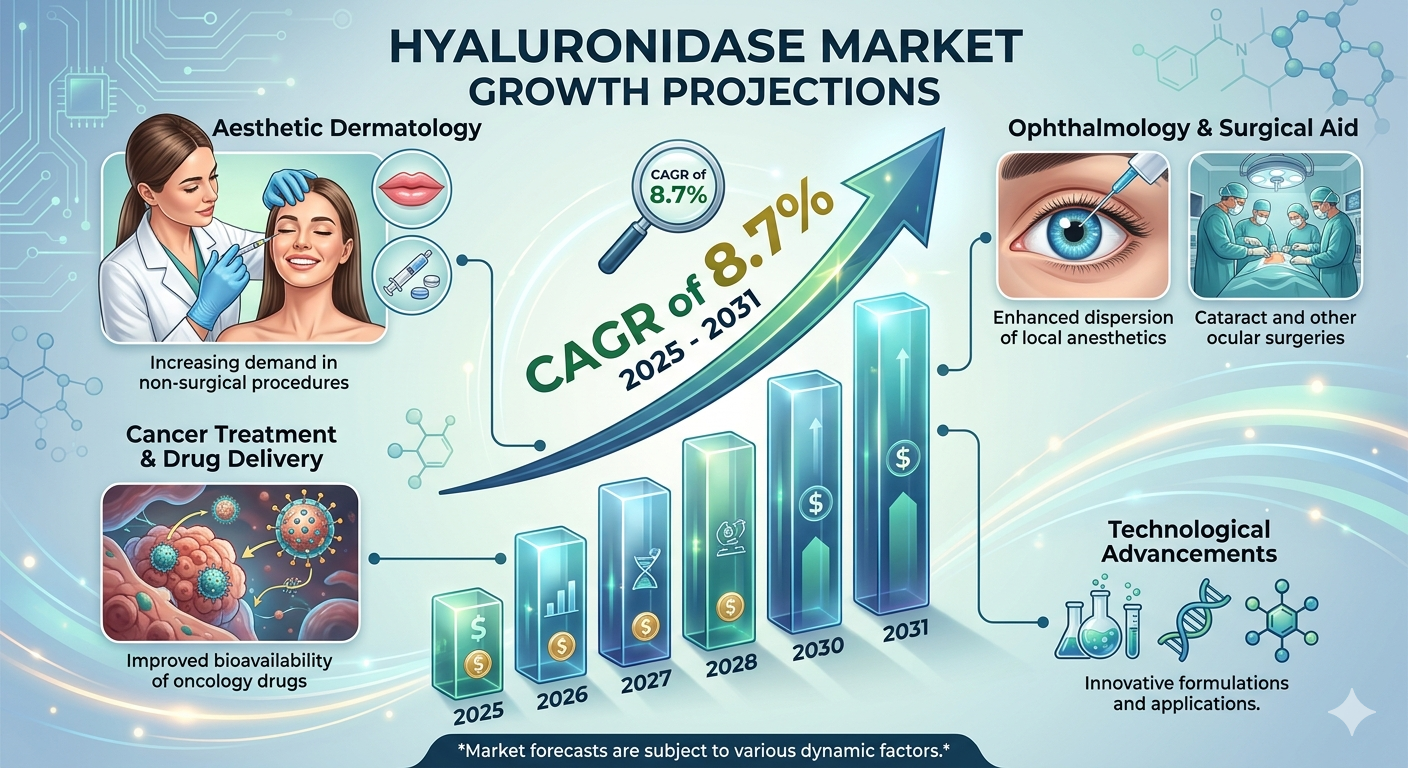
The healthcare industry is witnessing a significant shift toward enhancing the bioavailability and dispersion of therapeutic agents. At the heart of this evolution is hyaluronidase Segmentation Market , a powerful enzyme that catalyzes the degradation of hyaluronic acid, effectively reducing tissue viscosity. This unique property makes it an indispensable tool across diverse...
Better With Age Clothing in HD Worlds: Timeless Style, Growth, and Modern Streetwear Identity Introduction to Better With Age Clothing Better With Age Clothing is a brand built on a powerful and relatable idea: growth, maturity, and value increase over time. In a fashion world often obsessed with instant trends and fast cycles, Better With Age takes a different path by celebrating experience,...

Introduction: Position trading is one of the most powerful strategies for traders who prefer to focus on the bigger picture. Unlike day trading or scalping, position trading allows investors to hold trades for weeks, months, or even years, capitalizing on long-term market trends. Success in this approach requires discipline, patience, and strategic analysis. By drawing inspiration from...