How Automation Is Transforming CNC Tool Performance
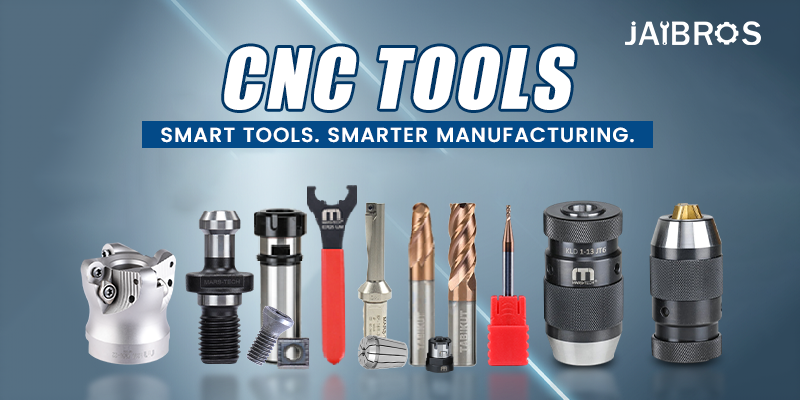
Discover how automation improves CNC tool performance with AI monitoring, smart machining, and advanced systems for higher precision and productivity.
How Automation Is Transforming CNC Tool Performance in Modern Manufacturing
Manufacturing is evolving faster than ever before. With Industry 4.0 technologies reshaping production floors, automation has become the backbone of modern machining. From robotics to artificial intelligence and smart monitoring systems, automation is redefining how every CNC tool performs in industrial environments.
Today’s manufacturers demand higher accuracy, faster production cycles, reduced downtime, and improved cost efficiency. Traditional machining methods are no longer enough to meet these expectations. Automated systems now work alongside advanced cutting technologies to maximize performance and extend tool life.
The Rise of Automation in CNC Machining
Automation in machining refers to the integration of robotics, sensors, software, and data-driven systems into production processes. These technologies allow machines to operate with minimal human intervention while maintaining consistent quality.
Earlier, operators manually adjusted speeds, feeds, and tool paths. Today, automated systems optimize these parameters in real time. This directly improves CNC efficiency by ensuring precise cutting conditions at every stage of the process.
Automation also reduces human error. When machining complex components, even a small mistake can lead to scrap material and tool damage. Smart systems now detect irregularities instantly and make automatic corrections, preventing costly failures.
Smart Tool Monitoring Systems
One of the biggest breakthroughs in automation is real-time tool monitoring. Modern machines use sensors to track vibration, temperature, spindle load, and wear patterns.
These systems continuously evaluate tool performance and send alerts when replacement is required. Instead of waiting for visible damage, manufacturers can now use predictive maintenance strategies.
Benefits of automated tool monitoring include:
-
Reduced unexpected downtime
-
Increased tool life
-
Improved surface finish
-
Lower maintenance costs
This approach ensures that machining operations remain consistent and productive across various types of CNC machine applications, including milling, turning, and drilling.
Robotics and Automated Tool Changing
Automatic Tool Changers (ATC) have become standard in advanced machining centers. Robotics now assist in loading, unloading, and switching tools with precision and speed.
Automated tool-changing systems reduce idle time and allow continuous production. This improves tool utilization by minimizing unnecessary stoppages.
For high-volume production environments, automation enables machines to run 24/7. Robots can handle repetitive tasks efficiently, ensuring consistent output without fatigue or errors.
This has significantly improved manufacturing efficiency across industries such as automotive, aerospace, and medical equipment production.
AI-Driven Optimization
Artificial Intelligence (AI) is playing a critical role in enhancing tool capabilities. AI-powered software analyzes machining data and recommends optimal cutting parameters.
For example, AI systems can automatically adjust feed rates and spindle speeds based on material hardness and tool condition. This ensures maximum cutting efficiency while preventing premature wear.
Machine learning algorithms also study historical data to predict future performance trends. This helps operators choose the best CNC tools for specific applications, improving overall productivity.
AI integration has become especially important for manufacturers seeking precision and consistency in complex component manufacturing.
Integration with Industry 4.0
Industry 4.0 connects machines, software, and data through smart networks. This connectivity enables seamless communication between equipment and production management systems.
When CNC data is integrated into a centralized dashboard, managers gain real-time visibility into performance metrics. They can track tool usage, efficiency rates, and maintenance schedules.
This level of transparency improves decision-making and resource allocation. Manufacturers can compare performance across multiple machines and select reliable suppliers, whether searching for CNC tools near me or evaluating global vendors.
Automation and Quality Control
Quality control has significantly improved through automation. Advanced inspection systems now use laser scanners and vision technology to measure finished components instantly.
If any deviation is detected, the system adjusts machining parameters automatically. This ensures consistent part quality while protecting CNC tool integrity.
Automated quality control reduces waste and ensures compliance with strict industry standards. For industries like aerospace and defense, this level of accuracy is essential.
Cost Efficiency Through Automation
While automation requires an initial investment, the long-term cost benefits are substantial. Reduced labor dependency, lower material waste, and extended tool life result in higher profitability.
By optimizing machining parameters, automation helps maintain steady performance levels. This allows businesses to invest confidently in best tools that deliver consistent results.
Additionally, online procurement has become easier with digital platforms offering CNC tools online. Manufacturers can compare specifications, reviews, and pricing before making informed decisions.
Automation ensures that these tools are used efficiently, maximizing return on investment.
Role of CNC Manufacturers in Automation
Leading CNC manufacturer companies are now designing tools specifically for automated environments. These tools feature advanced coatings, improved geometries, and higher heat resistance.
Automation demands tools that can withstand continuous operations and high-speed cutting. Manufacturers are responding with innovative materials such as carbide composites and ceramic blends.
Collaboration between tool designers and automation engineers is driving rapid advancements in machining technology. As a result, CNC tool performance continues to improve year after year.
Impact on Different Types of CNC Machine
Automation enhances performance across various types of CNC machine systems, including:
-
CNC milling machines
-
CNC turning centers
-
CNC drilling machines
-
Multi-axis machining centers
Each machine benefits from automated feed control, real-time monitoring, and predictive maintenance.
For example, in multi-axis machining, automation ensures smooth tool paths and accurate positioning. This reduces vibration and enhances surface finish quality.
In turning operations, automated spindle control improves consistency and reduces wear. Across all machine types, automation increases precision and operational efficiency.
Future Trends in CNC Tool Automation
The future of automation in machining looks promising. Emerging technologies include:
-
Cloud-based monitoring systems
-
Digital twins for simulation
-
Advanced robotics with collaborative features
-
AI-driven process optimization
Digital twins allow manufacturers to simulate machining processes before actual production. This helps optimize CNC tool selection and cutting strategies in advance.
Collaborative robots (cobots) are also becoming popular. These robots work safely alongside human operators, combining flexibility with automation benefits.
As technology advances, automation will continue to enhance precision, reduce downtime, and increase manufacturing scalability.
Challenges in Automation Adoption
Despite its benefits, automation adoption comes with challenges:
-
High initial investment
-
Training requirements
-
Integration complexity
-
Cybersecurity concerns
However, with proper planning and reliable partnerships, these challenges can be managed effectively.
Businesses must invest in workforce training to ensure smooth transitions. Skilled operators who understand automated systems can maximize tool performance and efficiency.
Why Automation Is Essential for Competitive Advantage
Global competition demands faster turnaround times and superior quality. Automation enables manufacturers to meet these expectations without compromising precision.
With smart systems controlling machining parameters, companies can produce high-quality components consistently.
Automation also supports sustainable manufacturing practices by reducing material waste and energy consumption.
Manufacturers searching for CNC tools near me or exploring global suppliers must consider how automation compatibility affects overall productivity. Tools designed for automated environments deliver better results and longer operational life.
Conclusion
Automation is no longer optional in modern manufacturing. It has become a critical factor in improving tool performance, extending tool life, and enhancing production efficiency. From AI-driven optimization to robotic tool changing and smart monitoring systems, automation ensures consistent accuracy and reduced downtime.
At Jaibros, we understand the growing importance of advanced machining solutions. As a trusted name in the industry, Jaibros is committed to delivering high-quality tooling solutions designed for modern automated environments. By combining innovation, durability, and performance, Jaibros helps manufacturers achieve precision, efficiency, and sustainable growth.
FAQs
1. How does automation improve CNC machining performance?
Automation enhances accuracy, reduces human error, optimizes cutting parameters, and increases overall productivity.
2. Is automation suitable for all types of CNC machine systems?
Yes, automation can be integrated into milling, turning, drilling, and multi-axis machines to improve efficiency and precision.
3. How does AI help in CNC machining?
AI analyzes machining data to optimize speeds, feeds, and cutting conditions, improving tool life and surface finish quality.
4. Are automated systems expensive to implement?
While initial costs may be high, long-term savings from reduced downtime, lower waste, and improved productivity make automation cost-effective.
5. How can I choose the right tools for automated machining?
Work with a reliable supplier, evaluate compatibility with automated systems, and select durable, high-performance tooling designed for continuous operation.
Categories
Read More
INTRODUCTION A professional Swimming Pool Cleaning & Maintenance Service plays a major role in preventing algae buildup and maintaining clean, hygienic, and visually appealing swimming pools. Algae growth is one of the most common problems affecting swimming pools because pools are constantly exposed to moisture, sunlight, airborne debris, environmental contaminants, and changing water...

Harry Potter AR Game Preview Magical Mayhem Unleashed: 'Harry Potter: Wizards Unite' Set to Transform Your Mobile Gaming Experience The highly anticipated augmented reality game 'Harry Potter: Wizards Unite' is finally arriving this Friday for players in the United States and United Kingdom. The surprise announcement has sent waves of excitement through the Potterverse as fans prepare to step...

ARPY Renewables provides complete Engineering, Procurement & Construction (EPC) services for residential, commercial, and industrial solar projects. Our team begins with detailed site assessment, energy requirement analysis, and customized solar system design. We use quality solar panels, inverters, mounting structures, and electrical components for reliable project performance. From...

Book Ranchi to Tatanagar cab online at best price. CabBazar provides car rental services for all cab types AC, Non AC, Hatchback, SUV, Sedan, Innova and Tempo Traveller. Both One way drop taxi and round trip cab available at lowest price. Price starts Rs. 9/Km.

In the vibrant, pulsating heart of West Bengal, a unique cultural phenomenon unfolds every day, blending chance, strategy, and the thrill of the unknown. This phenomenon is known as Kolkata Fatafat. For the uninitiated, it might seem like just a numbers game, but for countless Kolkatans, it's a daily ritual, a topic of heated discussion in para (neighborhood) addas, and a test of intuition. If...