How PI Planning Tools Improve Team Alignment Fast

How PI Planning Tools Improve Team Alignment Fast
Large-scale software development demands precise coordination across multiple teams working simultaneously. Organizations implementing the Scaled Agile Framework often struggle with maintaining clarity during program increment planning sessions. Traditional approaches using physical boards and sticky notes create bottlenecks that slow everything down.
Modern digital solutions transform these planning sessions into streamlined, productive experiences for everyone involved. Teams can finally visualize dependencies, identify conflicts, and adjust plans in real time together. The result is faster alignment and stronger commitment from all participants.
Understanding Program Increment Planning in Agile Environments
Program increment planning represents a cornerstone ceremony within SAFe methodology for distributed teams. This event brings together stakeholders, product managers, and development teams for intensive planning. Everyone collaborates to define objectives and deliverables for the upcoming increment cycle.
The traditional format requires extensive preparation, physical space, and considerable time investment from participants. Teams often face challenges tracking dependencies between different work streams during these sessions. Miscommunication and misalignment frequently emerge when too many moving parts exist simultaneously.
Digital platforms address these pain points by centralizing information in accessible, visual formats. Participants can view the entire program board while drilling into specific team details. This visibility helps everyone understand how their work connects to broader organizational goals.
Key Features That Drive Better Team Coordination
Effective planning platforms provide real-time collaboration capabilities that mirror in-person interactions digitally. Team members can simultaneously edit plans, add dependencies, and flag potential risks. This parallel work eliminates the bottlenecks created by sequential planning approaches.
Visual dependency mapping stands out as one of the most valuable features available. Teams can draw connections between features, stories, and milestones across the board. When conflicts arise, the visual representation makes them immediately obvious to everyone.
Integrated capacity planning helps teams avoid overcommitment before plans become finalized and locked. Leaders can see resource allocation across teams and make adjustments proactively. This foresight prevents the painful mid-increment discoveries that derail progress and morale.
Version control and history tracking ensure teams can review decisions made during planning. This documentation proves invaluable when questions arise weeks or months after the session. Teams maintain accountability and context without relying solely on individual memory.
Breaking Down Communication Barriers Between Distributed Teams
Geographic distribution no longer needs to hinder effective program increment planning sessions today. Cloud-based solutions enable seamless participation regardless of where team members physically work. Remote contributors engage just as fully as those gathered in conference rooms.
Asynchronous collaboration features accommodate different time zones without compromising planning quality or outcomes. Teams can review proposals, add comments, and suggest changes on their schedules. The platform aggregates all input for discussion during live synchronous sessions.
Built-in communication tools reduce context switching between multiple applications during planning marathons. Chat functionality, video integration, and commenting features live alongside the planning board. This consolidation keeps everyone focused on the work rather than tool management.
Translation and localization support helps multinational organizations maintain consistent understanding across language barriers. Teams working in different regions can participate fully in their native languages. The platform handles translation while preserving the intent and nuance of contributions.
Accelerating Decision-Making Through Transparent Information Sharing
PI Planning Tools surface critical information that might otherwise remain buried in silos or documentation. All participants access the same data simultaneously, eliminating information asymmetry problems. This transparency levels the playing field and enables faster, more confident decisions.
Risk and impediment tracking becomes visible to everyone rather than hidden in spreadsheets. Teams can see what blockers other groups face and offer assistance proactively. This collective problem-solving approach accelerates resolution and builds stronger inter-team relationships.
Objective alignment visualization shows how team commitments ladder up to business outcomes. Product managers can verify that planned work truly supports strategic priorities before finalizing. This validation prevents wasted effort on activities misaligned with organizational direction.
Confidence voting features gather input from all team members on plan feasibility. The aggregated results reveal where concerns exist before teams make final commitments. Leaders can address uncertainty areas immediately rather than discovering problems during execution.
Measuring Improvement in Team Alignment Outcomes
Quantifiable metrics demonstrate the impact of modern planning approaches on organizational performance. Cycle time reductions from planning to execution reflect improved clarity and preparation. Teams spend less time clarifying requirements because planning thoroughness increased substantially.
Dependency-related delays decrease when teams identify and resolve conflicts during planning itself. The visual nature of digital boards makes these connections obvious early. Teams can adjust plans before work begins rather than discovering conflicts mid-sprint.
Commitment reliability improves as teams gain better understanding of their capacity and constraints. Historical data from previous increments informs more accurate forecasting going forward. This learning cycle creates increasingly realistic and achievable plans over time.
Stakeholder satisfaction scores typically rise when planning becomes more inclusive and transparent. Business leaders appreciate visibility into how their priorities translate into team activities. Development teams value the clarity about expectations and the realistic planning approach.
Integration With Existing Development Tools and Workflows
Modern platforms connect seamlessly with issue tracking systems teams already use daily. Work items flow between planning tools and execution platforms without manual intervention. This integration eliminates duplicate data entry and maintains single sources of truth.
Continuous integration and deployment pipelines feed progress data back into planning dashboards. Teams can track actual velocity against planned commitments throughout the increment. This real-time feedback enables course corrections before minor delays become major problems.
Portfolio management systems receive updates automatically as teams adjust plans and complete work. Leadership maintains current visibility without requiring status reports from individual contributors. This automatic reporting frees teams to focus on delivery rather than administration.
Analytics platforms consume planning data to identify patterns and improvement opportunities over time. Organizations can spot recurring bottlenecks, dependency patterns, and estimation accuracy trends. These insights drive continuous improvement in planning effectiveness and team performance.
Conclusion
Digital planning platforms fundamentally transform how scaled agile organizations coordinate their efforts effectively. Teams achieve alignment faster while building stronger relationships across organizational boundaries simultaneously. The combination of visibility, collaboration, and integration creates sustainable improvement in delivery.
Organizations investing in proper planning infrastructure see returns through increased predictability and throughput. The upfront time spent selecting and implementing appropriate tools pays dividends every increment. Teams spend less time coordinating and more time delivering value to customers.
Categorias
Leia Mais
The Indian Premier League, widely known as IPL, is one of the biggest cricket tournaments in the world. Every IPL season attracts millions of cricket fans across India who follow live matches, player performances, team rivalries, and tournament standings closely. Along with the growing popularity of IPL, online cricket betting has also become increasingly common among sports users. Modern...

In the world of fruit processing, using Banana Rollers effectively can significantly improve productivity and product quality. These specialized rollers are designed to handle delicate fruits, particularly bananas, minimizing damage while transporting, sorting, or processing them. With proper roller systems, manufacturers can maintain the natural shape and texture of the fruit, ensuring...

Dofus, le célèbre jeu massivement multijoueur en ligne, propose une multitude de donjons captivants pour les aventuriers. Parmi eux, certains offrent des trésors inestimables et sont indispensables pour progresser dans l'univers du Monde des Douze. L’un de ces lieux incontournables est la tanière du Kralamoure Géant, une étape essentielle pour...
Polaris Market Research has published a brand-new report titled Smart Trash Bins Market Share, Size, Trends, Industry Analysis Report, By Capacity (8 to 13 Gallon, 14 to 23 Gallon, and Above 23 Gallon); By Price; By Shape; By Application; By Distribution Channel; By Region; Segment Forecast, 2023-2032 that includes extensive information and analysis of the industry dynamics. The...
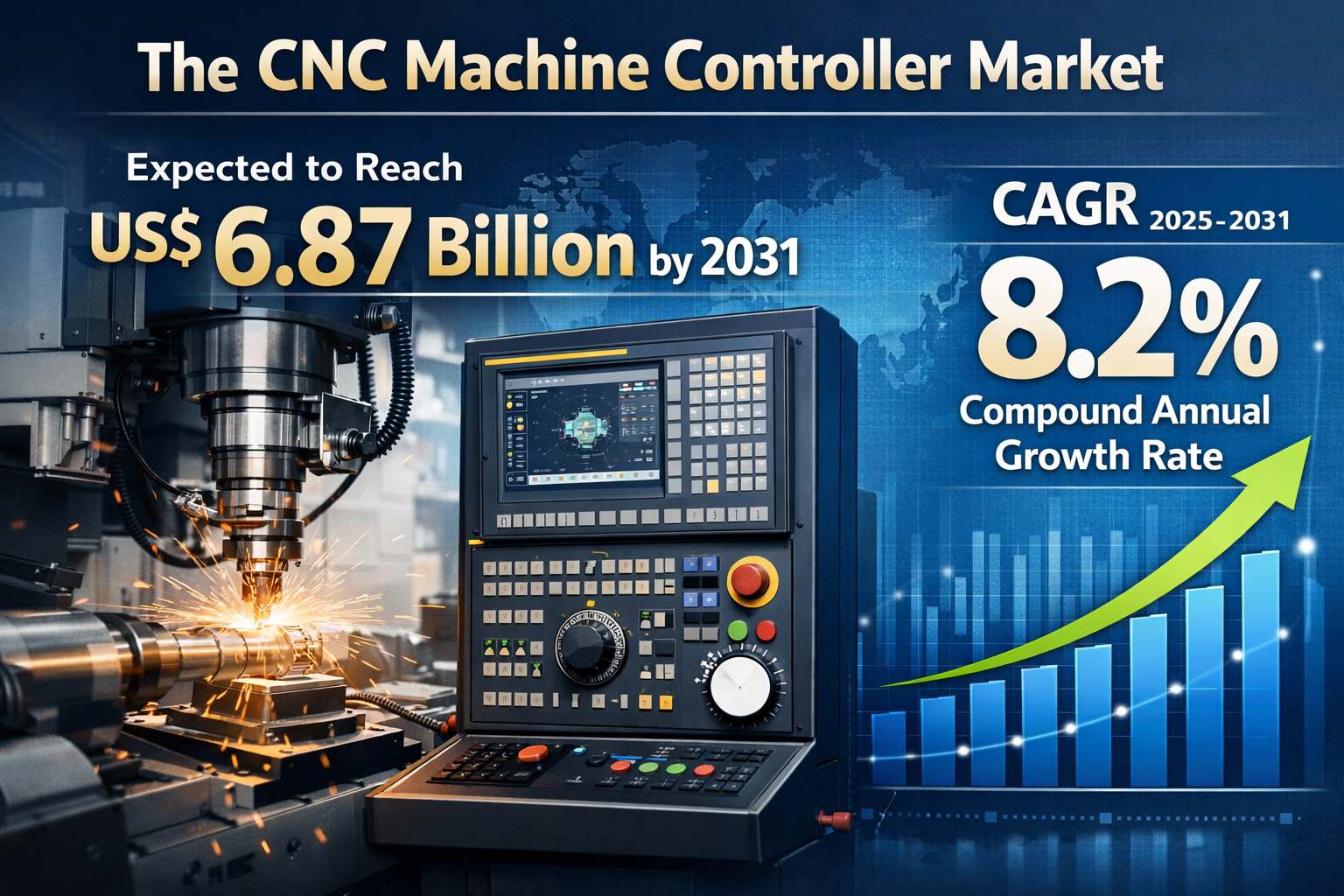
CNC Machine Controller enhances safety by incorporating built-in alarms, emergency stop functions, and fault detection systems. These features help prevent machine damage and ensure operator protection. Market Overview The CNC Machine Controller market is projected to reach US$ 6.87 billion by 2031, registering a CAGR of 8.2% during the forecast period from 2025 to...