


CNC Tool Optimisation Techniques to Improve Productivity & Output
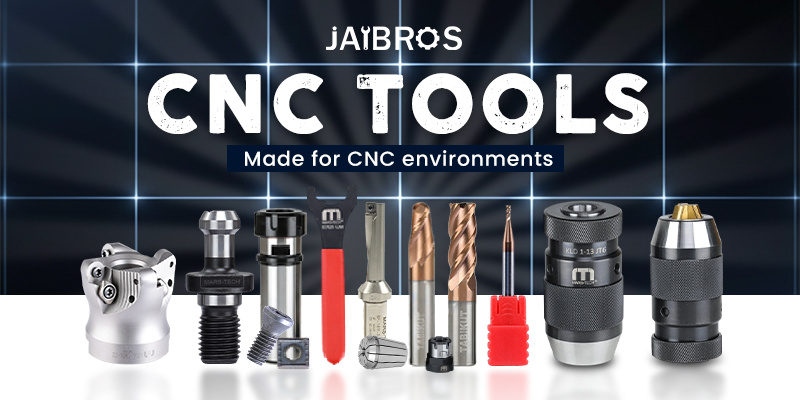
CNC Tool Optimisation Techniques to Improve Productivity & Output
Discover proven CNC tool optimisation techniques to enhance machining accuracy, reduce tool wear, and improve production output in modern manufacturing.
CNC Tool Optimization Techniques for Better Output
In modern manufacturing, productivity and precision go hand in hand. Whether you are running a small machining unit or managing a large-scale production facility, improving output without compromising quality is always a priority. One of the most effective ways to achieve this is through proper cnc tool optimization. By refining tool selection, cutting parameters, maintenance practices, and programming strategies, manufacturers can significantly increase efficiency and reduce operational costs.
Understanding the Importance of Tool Optimisation
Optimisation is not just about increasing speed. It involves balancing cutting performance, tool wear, machine capability, and material characteristics. A well-optimized cnc tool setup reduces cycle time, improves surface finish, and minimizes scrap rates.
Manufacturing companies often invest in advanced machines but overlook the importance of tooling strategies. Even the most advanced equipment cannot perform at its peak without proper tooling adjustments. Optimization ensures that every machining operation is cost-effective and reliable.
1. Selecting the Right Tool for the Job
The foundation of better output begins with choosing the correct tooling. Understanding the types of CNC tools available—such as end mills, drills, inserts, reamers, and thread mills—helps operators make informed decisions based on the application.
-
Each tool type is designed for specific operations:
-
End mills for slotting and contouring
-
Drills for hole-making
-
Inserts for turning operations
-
Ball nose tools for 3D profiling
Thread mills for internal and external threading
Using the wrong tool can increase wear, reduce accuracy, and cause vibration. Always match tool geometry, coating, and material with the workpiece material. For example, carbide tools are ideal for hard metals, while high-speed steel may be sufficient for softer materials.
Choosing high-quality tools from a reliable CNC tools manufacturer also plays a critical role. Superior material quality and precision grinding ensure better consistency and durability.
2. Optimizing Cutting Parameters
One of the most impactful optimization techniques involves adjusting cutting speed, feed rate, and depth of cut. These parameters directly influence performance and tool life.
-
Cutting Speed: Too high may cause overheating; too low may reduce productivity.
-
Feed Rate: Proper feed ensures efficient chip removal without stressing the tool.
-
Depth of Cut: Balancing depth helps maintain surface quality while reducing vibration.
Using manufacturer-recommended parameters as a starting point is essential. From there, fine-tuning based on machine capability and material hardness can significantly enhance results.
Modern CAM software can simulate toolpaths to identify inefficiencies before production begins. By analyzing tool engagement and load distribution, programmers can prevent unnecessary stress on each cnc tool and extend its service life.
3. Implementing High-Efficiency Toolpaths
Advanced machining strategies such as high-efficiency milling (HEM) and adaptive toolpaths improve material removal rates while maintaining tool stability.
Traditional toolpaths often involve sharp directional changes, leading to inconsistent load and premature wear. Adaptive strategies maintain constant tool engagement, reducing sudden stress spikes. This approach:
-
Improves tool life
-
Enhances surface finish
-
Reduces cycle time
-
Minimizes machine vibration
Proper toolpath planning ensures that the cnc tool operates smoothly under optimal cutting conditions, resulting in better output with less downtime.
4. Tool Coatings and Material Considerations
Coatings play a vital role in reducing friction and heat generation. Popular coatings include:
-
Titanium Nitride (TiN)
-
Titanium Aluminum Nitride (TiAlN)
-
Diamond-like coatings
Selecting coated tools designed for specific materials improves resistance to wear and oxidation. For example, TiAlN coatings perform well in high-temperature machining applications.
Investing in the best CNC tools with appropriate coatings may seem costly initially, but the long-term savings in reduced replacements and improved productivity outweigh the expense.
5. Proper Tool Holding and Setup
Even high-quality tooling cannot perform effectively if tool holders and setup practices are inadequate. Runout, improper clamping, and poor alignment lead to vibration and inaccurate cuts.
To optimize setup:
-
Use precision tool holders
-
Ensure proper torque during clamping
-
Minimize tool overhang
-
Regularly inspect collets and holders
Accurate setup ensures that each cnc tool maintains stability during operation, delivering precise and repeatable results.
6. Coolant and Chip Management
Heat is one of the primary causes of tool wear. Effective coolant application helps reduce temperature and improve chip evacuation.
Best practices include:
-
Using appropriate coolant type for the material
-
Ensuring consistent flow direction
-
Preventing chip recutting
Proper chip evacuation reduces surface damage and enhances machining accuracy. When chips are removed efficiently, the CNC tool experiences less friction and operates more smoothly.
7. Predictive Maintenance and Monitoring
Monitoring tool wear is essential for consistent output. Instead of waiting for tool failure, predictive maintenance strategies identify wear patterns before they cause damage.
-
Techniques include:
-
Tool life monitoring systems
-
Vibration analysis
-
Regular inspection schedules
Replacing a worn tool at the right time prevents defective parts and reduces machine downtime. Many production facilities now integrate smart monitoring systems to track tool performance in real time.
8. Partnering with Reliable Suppliers
Sourcing tools from trusted vendors ensures consistent quality. Businesses often search for CNC tools near me to find local suppliers who can provide quick delivery and technical support.
However, many manufacturers also prefer buying CNC tools online due to competitive pricing and wider product availability. When choosing a supplier, consider:
-
Technical expertise
-
Product range
-
After-sales support
-
Custom tooling capabilities
Working with an experienced CNC tools manufacturer can help tailor solutions for specific applications, improving efficiency and reducing trial-and-error costs.
9. Training and Operator Skill Development
Even the most advanced tooling strategy will not deliver optimal results without skilled operators. Proper training helps machinists understand tool behavior, cutting forces, and programming strategies.
Encouragege operators to:
-
Analyze wear patterns
-
Adjust parameters responsibly
-
Understand different types of CNC tools
-
Follow maintenance protocols
Skilled handling of each cnc tool contributes directly to improved output and reduced operational risks.
10. Data-Driven Continuous Improvement
Modern manufacturing thrives on data. Tracking metrics such as cycle time, tool life, scrap rate, and production cost allows businesses to identify areas for improvement.
Using performance data:
-
Compare different tooling brand
-
Optimize feed and speed combinations
-
Identify high-wear operations
-
Standardize best practices
A continuous improvement mindset ensures long-term productivity gains and sustainable manufacturing growth.
Conclusion
Optimizing tooling strategies is one of the most effective ways to improve machining efficiency and production output. From selecting the right tools and refining cutting parameters to implementing predictive maintenance and leveraging advanced software, every step contributes to better performance.
Manufacturers who invest in high-quality tooling, partner with reliable suppliers, and focus on operator training see measurable improvements in accuracy, cost savings, and overall productivity. By consistently evaluating performance and applying smart optimization techniques, any facility can unlock the full potential of its machining operations.
FAQs
1. What is tool optimization in CNC machining?
Tool optimization involves adjusting tool selection, cutting parameters, setup, and maintenance practices to maximize productivity, accuracy, and tool life.
2. How do I choose the right type of CNC tool?
Start by understanding the material and operation type. Consider geometry, coating, and manufacturer recommendations before finalising your choice.
3. Does tool coating really improve performance?
Yes. Proper coatings reduce heat, friction, and wear, which significantly extends tool life and enhances machining efficiency.
4. Is it better to buy CNC tools locally or online?
Both options have advantages. Local suppliers offer quick support, while online platforms often provide wider selections and competitive pricing.
5. How often should CNC tools be replaced?
Replacement depends on material, cutting conditions, and workload. Monitoring wear regularly and using predictive maintenance systems ensures timely replacement without production loss.
الأقسام
إقرأ المزيد
Clear and healthy skin often shapes first impressions, yet achieving it can feel like a long journey filled with confusion and trial and error. Many individuals search endlessly for reliable solutions that truly work. A modern skin clinic becomes more than a place for treatments, it becomes a trusted destination for transformation. The significance of professional care lies in combining science...

"Executive Summary Third Party Logistics Market Size and Share Analysis Report The global third party logistics market size was valued at USD 1.14 billion in 2024 and is projected to reach USD 2.16 billion by 2032, with a CAGR of 8.30% during the forecast period of 2025 to 2032. Businesses are very much depending on the diverse segments involved in the market research report as it...

Welcome to Cosmetic Medical Training, your trusted partner in aesthetic medicine education. Whether you’re a seasoned medical professional or just starting your journey into the world of Botox injections, we’ve got you covered. In order to start your training and a successful practice, you need to have all of your administrative needs fulfilled. This means having policies and...

The use of Imatinib Tablets 400 mg for Cancer Treatment has revolutionized targeted cancer therapy in medical practice. Physicians use these tablets to treat specific cancer types which include chronic myeloid leukemia and gastrointestinal stromal tumors. The Imatinib Tablets 400 mg for Cancer Treatment help to decrease cancer disease progression by blocking the growth-promoting proteins which...

Introduction Starting a business in Dubai presents tremendous opportunities, thanks to its strategic location, thriving economy, and investor-friendly policies. However, the process of establishing a company involves navigating complex legal, financial, and administrative procedures. Without proper guidance, entrepreneurs can face delays, increased costs, and compliance challenges. Why...