


Heavy-Duty Wheel Bearing Kits for Performance
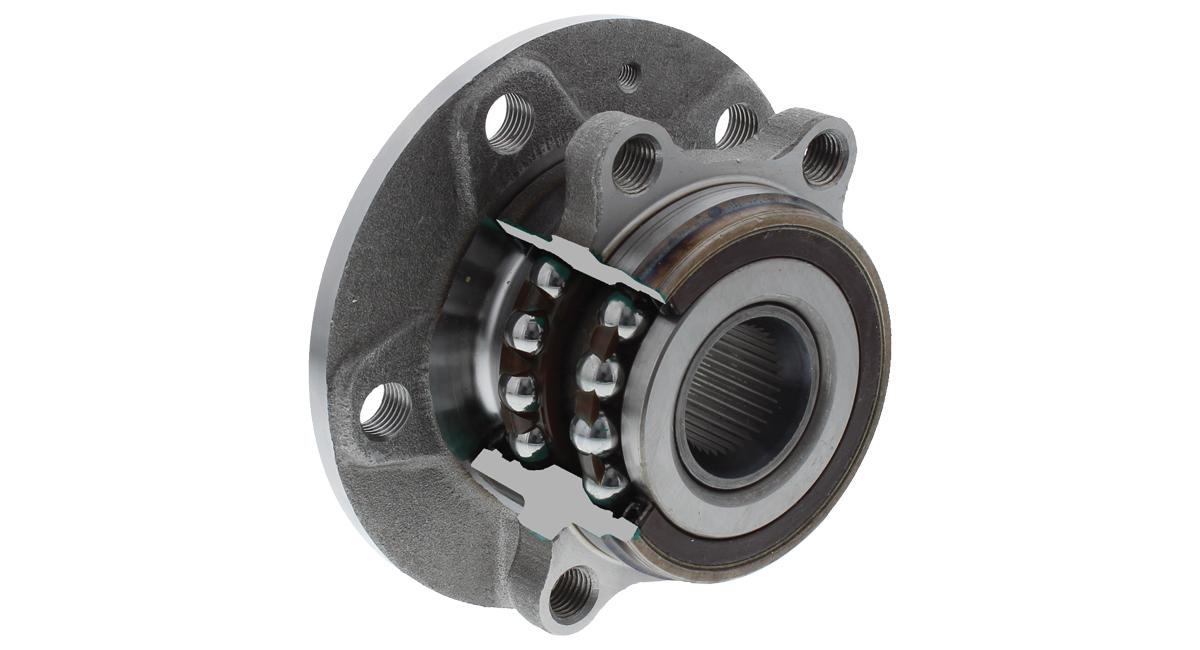
Wheel-end failures are a serious issue in the automotive and transport industry. When a wheel bearing fails, it can cause vibration, noise, overheating, and even wheel detachment. For manufacturers and fleet operators, this means unexpected downtime, safety risks, and increased warranty costs.
Low-quality bearings often fail due to poor materials, weak seals, or incorrect installation. In many cases, separate sourcing of components leads to mismatched parts. Even small dimensional differences can reduce performance and shorten service life.
Hidden Costs of Low-Quality Bearings
-
Frequent maintenance and labor costs
-
Production delays
-
Customer dissatisfaction
-
Increased warranty claims
For OEMs and distributors, reliability is not optional—it is essential.
The Solution: Complete Wheel Bearing Kits
To solve these challenges, many manufacturers now prefer complete wheel bearing kits. These kits include all necessary components in one package, ensuring compatibility and easy installation.
Wheel bearing kits are designed to match specific vehicle models. They often include bearings, seals, locking nuts, and other related parts. This integrated solution reduces assembly errors and saves time.
How Wheel Bearing Kits Work
Wheel bearings allow wheels to rotate smoothly while supporting the vehicle’s load. Inside the bearing, rolling elements (balls or rollers) reduce friction between moving parts.
High-quality kits are manufactured with precision-machined raceways and optimized internal clearance. This ensures:
-
Smooth rotation
-
Reduced vibration
-
High load-bearing capacity
-
Long operational life
Pre-lubrication and sealed construction protect against dust, dirt, and moisture.
Problems with Traditional Bearing Replacement
Traditional bearing replacement required separate sourcing of bearings and accessories. This created multiple risks:
-
Incorrect component matching
-
Improper torque settings
-
Reduced sealing efficiency
-
Increased installation time
These issues often led to early failure.
How Modern Kits Solve These Issues
Modern wheel bearing kits eliminate compatibility problems. Components are pre-matched and engineered to work together. Sealed systems prevent contamination, which is one of the main causes of bearing damage.
This approach increases reliability and reduces maintenance frequency.
Key Features of High-Quality Wheel Bearing Kits
When selecting wheel bearing kits, B2B buyers should focus on the following features:
-
Premium alloy steel for durability
-
Precision grinding for accurate fitment
-
High load rating for heavy-duty use
-
Advanced sealing systems
-
Corrosion-resistant coatings
These technical features ensure stable performance under high speed and heavy load conditions.
Standard Bearings vs Wheel Bearing Kits
| Feature | Standard Bearing | Wheel Bearing Kits |
|---|---|---|
| Components Included | Single unit | Complete set |
| Installation Time | Longer | Faster |
| Fitment Accuracy | Risk of mismatch | Pre-matched |
| Protection | Limited | Sealed system |
| Long-Term Value | Moderate | High |
For manufacturers, the total lifecycle cost matters more than the initial price. Integrated kits reduce long-term expenses.
Real Applications Across Industries
Wheel bearing kits are widely used in:
-
Passenger vehicles
-
Commercial trucks
-
Agricultural equipment
-
Industrial transport machinery
-
Trailers and logistics fleets
Reliable wheel-end performance directly impacts safety, efficiency, and fuel economy.
Why Manufacturers Prefer Wheel Bearing Kits
Professional buyers choose wheel bearing kits because they simplify procurement and ensure consistent quality.
Benefits include:
-
Reduced installation errors
-
Lower maintenance frequency
-
Improved safety compliance
-
Better supply chain management
In competitive markets, reliability and durability are key differentiators.
How to Choose the Right Wheel Bearing Kits
Selecting the correct product requires technical evaluation.
Consider:
-
OEM compatibility
-
Load and speed ratings
-
Sealing type and lubrication
-
Material quality
-
Supplier certifications (ISO, quality testing reports)
When sourcing wheel bearing kits, always request detailed technical specifications and performance testing data. This ensures long-term reliability and customer satisfaction.
Conclusion
Wheel-end reliability is critical for safety and operational efficiency. Traditional bearing replacement methods increase risk and maintenance costs. Modern wheel bearing kits provide a complete, engineered solution that improves installation accuracy, durability, and lifecycle value.
For OEMs, distributors, and manufacturers, investing in high-quality kits is not just a purchase decision—it is a strategic move toward improved performance, reduced downtime, and stronger market reputation.
الأقسام
إقرأ المزيد
Streetwear has always been about creativity, culture, and identity. When two unique fashion forces come together, the result often changes the way people see style. The collaboration between lost intricacy and Chrome Hearts is a clear example of this idea. Both brands already have strong reputations in fashion, but their partnership created something fresh that captured the attention of...
Interventional coronary catheters are specialized medical devices used during minimally invasive cardiovascular procedures to diagnose and treat blockages or abnormalities within the coronary arteries. The Latin America Interventional Coronary Catheters Market size is expected to reach US$ 87.0 million by 2033 from US$ 58.8 million in 2024. The market is estimated to record a CAGR of...

Introduction Resume Writers provides professional and result-driven resume solutions designed to help job seekers stand out in today’s competitive employment market. Whether you are searching for the “best resume services near me”, having a professionally crafted resume can significantly improve your chances of securing interviews and landing your desired job. A resume is more...

What if a single piece of jewelry could capture your love story, turn heads instantly, and become a lifelong keepsake? That’s exactly what Bracelets with names for couples promise—and right now, they’re redefining how modern relationships are celebrated. If you’ve been searching for something deeply personal yet irresistibly stylish, this is your moment. In a world...

Khám Phá Sicbo Iwin68: Trò Chơi Cờ Bạc Đầy Hấp Dẫn Dành Cho Tín Đồ Game Online1. Sicbo Là Gì?Sicbo là một trò chơi xúc xắc phổ biến có nguồn gốc từ Trung Quốc, được chơi bằng ba viên xúc xắc. Người chơi sẽ đặt cược vào kết quả của các viên xúc xắc sau khi chúng được lắc....