


Heavy-Duty Wheel Bearing Kits for Performance
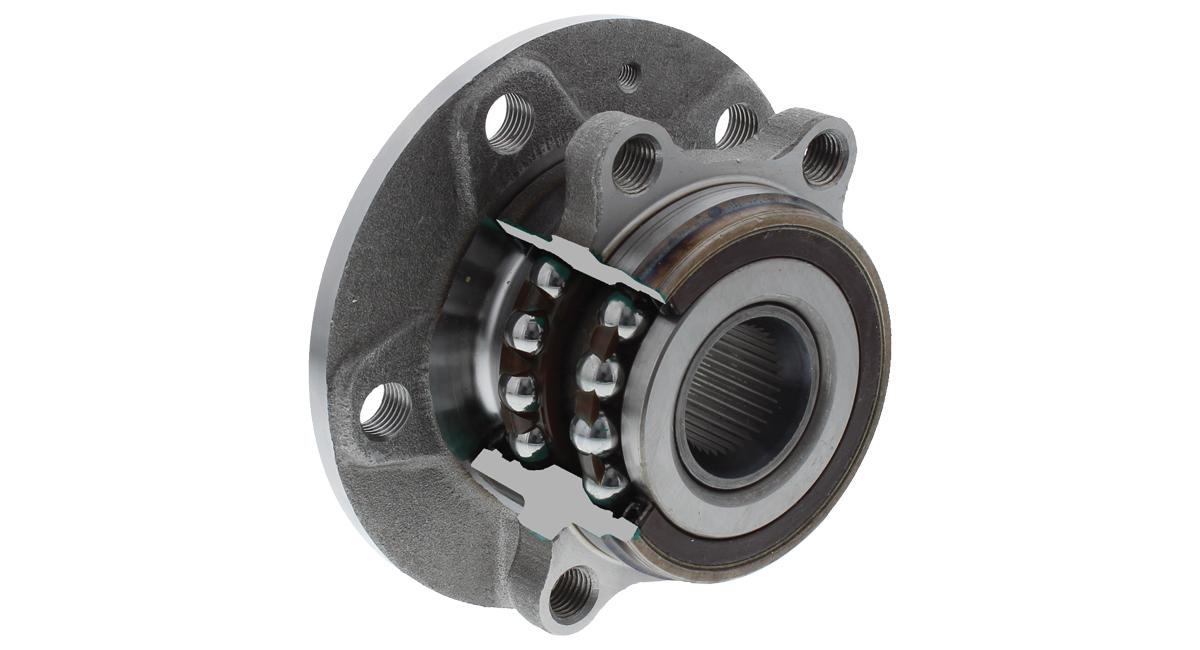
Wheel-end failures are a serious issue in the automotive and transport industry. When a wheel bearing fails, it can cause vibration, noise, overheating, and even wheel detachment. For manufacturers and fleet operators, this means unexpected downtime, safety risks, and increased warranty costs.
Low-quality bearings often fail due to poor materials, weak seals, or incorrect installation. In many cases, separate sourcing of components leads to mismatched parts. Even small dimensional differences can reduce performance and shorten service life.
Hidden Costs of Low-Quality Bearings
-
Frequent maintenance and labor costs
-
Production delays
-
Customer dissatisfaction
-
Increased warranty claims
For OEMs and distributors, reliability is not optional—it is essential.
The Solution: Complete Wheel Bearing Kits
To solve these challenges, many manufacturers now prefer complete wheel bearing kits. These kits include all necessary components in one package, ensuring compatibility and easy installation.
Wheel bearing kits are designed to match specific vehicle models. They often include bearings, seals, locking nuts, and other related parts. This integrated solution reduces assembly errors and saves time.
How Wheel Bearing Kits Work
Wheel bearings allow wheels to rotate smoothly while supporting the vehicle’s load. Inside the bearing, rolling elements (balls or rollers) reduce friction between moving parts.
High-quality kits are manufactured with precision-machined raceways and optimized internal clearance. This ensures:
-
Smooth rotation
-
Reduced vibration
-
High load-bearing capacity
-
Long operational life
Pre-lubrication and sealed construction protect against dust, dirt, and moisture.
Problems with Traditional Bearing Replacement
Traditional bearing replacement required separate sourcing of bearings and accessories. This created multiple risks:
-
Incorrect component matching
-
Improper torque settings
-
Reduced sealing efficiency
-
Increased installation time
These issues often led to early failure.
How Modern Kits Solve These Issues
Modern wheel bearing kits eliminate compatibility problems. Components are pre-matched and engineered to work together. Sealed systems prevent contamination, which is one of the main causes of bearing damage.
This approach increases reliability and reduces maintenance frequency.
Key Features of High-Quality Wheel Bearing Kits
When selecting wheel bearing kits, B2B buyers should focus on the following features:
-
Premium alloy steel for durability
-
Precision grinding for accurate fitment
-
High load rating for heavy-duty use
-
Advanced sealing systems
-
Corrosion-resistant coatings
These technical features ensure stable performance under high speed and heavy load conditions.
Standard Bearings vs Wheel Bearing Kits
| Feature | Standard Bearing | Wheel Bearing Kits |
|---|---|---|
| Components Included | Single unit | Complete set |
| Installation Time | Longer | Faster |
| Fitment Accuracy | Risk of mismatch | Pre-matched |
| Protection | Limited | Sealed system |
| Long-Term Value | Moderate | High |
For manufacturers, the total lifecycle cost matters more than the initial price. Integrated kits reduce long-term expenses.
Real Applications Across Industries
Wheel bearing kits are widely used in:
-
Passenger vehicles
-
Commercial trucks
-
Agricultural equipment
-
Industrial transport machinery
-
Trailers and logistics fleets
Reliable wheel-end performance directly impacts safety, efficiency, and fuel economy.
Why Manufacturers Prefer Wheel Bearing Kits
Professional buyers choose wheel bearing kits because they simplify procurement and ensure consistent quality.
Benefits include:
-
Reduced installation errors
-
Lower maintenance frequency
-
Improved safety compliance
-
Better supply chain management
In competitive markets, reliability and durability are key differentiators.
How to Choose the Right Wheel Bearing Kits
Selecting the correct product requires technical evaluation.
Consider:
-
OEM compatibility
-
Load and speed ratings
-
Sealing type and lubrication
-
Material quality
-
Supplier certifications (ISO, quality testing reports)
When sourcing wheel bearing kits, always request detailed technical specifications and performance testing data. This ensures long-term reliability and customer satisfaction.
Conclusion
Wheel-end reliability is critical for safety and operational efficiency. Traditional bearing replacement methods increase risk and maintenance costs. Modern wheel bearing kits provide a complete, engineered solution that improves installation accuracy, durability, and lifecycle value.
For OEMs, distributors, and manufacturers, investing in high-quality kits is not just a purchase decision—it is a strategic move toward improved performance, reduced downtime, and stronger market reputation.
Categorieën
Read More
Die Eisblume (im Spiel auch als Ineevyy bezeichnet) ist eine besondere Kuriosität auf den eisigen Inseln von Nod-Kray. Du erkennst sie an ihrem großen, blau-hellblauen Stängel mit einem auffälligen rosa Blütenstand, der von drei großen Blättern umrahmt wird. Da die Pflanze oft zwischen anderen blauen und hellblauen Gewächsen wächst, ist sie schwer...

Hyderabad has become one of the fastest-growing business destinations in India, attracting professionals, entrepreneurs, corporate teams, and international visitors throughout the year.Choosing a Business Hotel in Madhapur Hyderabad gives travelers easy access to offices, meeting venues, transport facilities, and entertainment options while enjoying a peaceful and productive...

Anticipated growth in the US Alkyd Resin market suggests a promising future for stakeholders. Valued at $448.5 million in 2024, the market is set to expand to $597.5 million by 2035, reflecting a CAGR of 2.64%. This upward trend is attributed to the increasing adoption of eco-friendly practices across industries, particularly within the automotive and coatings sectors. As manufacturers innovate...

BigPond, once a popular internet service and email provider by Telstra, one of Australia’s leading telecom services, is still a major email solution for millions of users who have old email accounts and for those who have accounts through a different provider and want to add a second email for general use. Users might find themselves on the lookout for email support from online sources....

Led horses therapy light is becoming an essential innovation in modern equine care, offering horse owners and professionals a non-invasive way to support recovery, muscle relaxation, and overall performance. At Sinocoled, a trusted Website Name in advanced lighting solutions, this technology is designed to meet the growing demand for effective and reliable equine wellness tools. With...
