Fatty Alcohol Ethoxylates for Detergents, Soaps, and Personal Care Products
In the ever-evolving personal care and cleaning industry, fatty alcohol ethoxylates (FAEs) haveemerged as one of the most versatile and reliable ingredients. These non-ionic surfactants are widely used in detergents, soaps, and personal care products,offering excellent cleaning, emulsifying, and foaming properties. This blog aims to provide businesses, manufacturers, and industrial buyers with a clear understanding of FAEs, their applications, benefits, and guidance on sourcing from trusted suppliers.
What are Fatty Alcohol Ethoxylates?
Fatty alcohol ethoxylates are non-ionic surfactants formed by reacting fatty alcohols with ethylene oxide. Theirmolecular structure allows them to lower surface tension between water and oils, making them highly effective in cleaning and emulsifying formulations. Unlike anionic surfactants, FAEs are mild on skin, stable across a wide pH range, and compatible with other chemical ingredients, making them ideal for detergents, soaps, and personal care products.
What are fatty alcohol ethoxylates and why are they important?
Fatty alcohol ethoxylates are non-ionic surfactants created by reacting fatty alcohols with ethylene oxide. They provide superior cleaning, foaming, and emulsifying properties, making them essential in detergents, soaps, and personal care products. FAEs are mild, stable, and compatible with various formulations, ensuring both product performance and consumer safety.
Applicationsin Detergents
In the detergent industry, FAEs enhance cleaning efficiency by breaking down oil, grease, and dirt. They are usedin both liquid and powder detergents to improve foaming, solubility, and overall cleaning performance. FAEs are also compatible with other surfactants,builders, and enzymes, allowing manufacturers to create robust formulations suitable for industrial, commercial, and household use.
Applicationsin Soaps
FAEs play a vital role in both syndet barsand liquid soaps. They improve lather quality, soften the product texture, and enhance skin feel without causing irritation. By stabilising oils and fragrances, FAEs help maintain shelf-life and consistency, giving soap manufacturers the flexibility to produce high-quality personal care products.
Applicationsin Personal Care Products
FAEs are increasingly used in shampoos,body washes, facial cleansers, and hand washes due to their mildness and emulsifying properties. They help create smooth, foaming formulations that are gentle on skin while effectively cleansing. Additionally, FAEs are compatible with natural ingredients, essential oils, and active compounds, making them ideal for premium and eco-friendly personal care products.
Why are fatty alcohol ethoxylates used in personal care products?
FAEs are mild, non-ionic surfactants that provide gentle cleansing, foaming, and emulsification in shampoos, soaps, and body washes. Their compatibility with natural oils and active ingredients ensures safe, high-performance personal care formulations suitable for sensitive skin and premium product lines.
Types/Grades of Fatty Alcohol Ethoxylates
FAEs are available in multiple grades and formulations depending on the number of ethylene oxide (EO) units and the fatty alcohol chain length:
- Low EO FAEs: Ideal for detergents and surface cleaners, offering strong cleaning power.
- High EO FAEs: Suitable for personal care products due to mildness and solubility.
- Short-chain FAEs: Highly water-soluble, used in liquid formulations.
- Long-chain FAEs: Better emulsifying properties for creams and lotions.
Choosing the right grade ensures product performance, stability, and safety, tailored to the specific application.
Benefits of Using Fatty Alcohol Ethoxylates
- Superior Cleaning & Foaming: FAEs enhance detergent and soap efficiency.
- Mild & Skin-Friendly: Suitable for personal care formulations.
- Formulation Flexibility: Compatible with anionic, cationic, and amphoteric surfactants.
- Stability & Shelf-Life: Improves product consistency and longevity.
- Eco-Friendly Options: Biodegradable FAEs support sustainable manufacturing.
- Fatty Alcohol Ethoxylates vs Other Surfactants
FAEs differ from anionic, cationic, and amphoteric surfactants in that they are non-ionic, making them lessirritating and more versatile. Unlike many anionic surfactants, FAEs maintain foaming and cleaning efficiency even in hard water. Their mildness and emulsification abilities make them preferable in personal care and premium detergent formulations.
How are fatty alcohol ethoxylates different from other surfactants?
FAEs are non-ionic surfactants, meaning they are mild, stable, and compatible
with other chemicals. Unlike anionic or cationic surfactants, FAEs perform well
in hard water, provide excellent emulsification, and are skin-friendly, making
them ideal for detergents, soaps, and personal care products.
How to Choose the Right Fatty Alcohol Ethoxylates
When selecting FAEs, businesses should consider:
- Application: Detergent, soap, or personal care formulation.
- Grade & EO Content: Determines solubility, foaming, and mildness.
- Manufacturer Reliability: Certifications, quality standards, and bulk supply capabilities.
- Cost vs Quality: Balance affordability with performance and safety.
What should be considered when choosing fattyalcohol ethoxylates? Choose FAEs based on application, EO content, chain length, and solubility. Verify manufacturer certifications and bulk supply capabilities. Balancing cost and quality ensures consistent performance, safe formulations, and long-term reliability for detergents, soaps, and personal care products.
Environmental and Cost Considerations
FAEs are often biodegradable and eco-friendly, making them a sustainable choice for modern formulations.Bulk purchases reduce per-unit cost, supporting industrial-scale production. Choosing a trusted manufacturer in India ensures consistent supply,reduces chemical waste, and guarantees compliance with regulatory standards, helping businesses optimise both cost and environmental impact.
Trends in Fatty Alcohol Ethoxylates
- Eco-friendly formulations: Increased use in green detergents and personal care products.
- Premium personal care products: Mild FAEs for sensitive skin.
- Bulk and custom formulations: Tailored for industrial and private label businesses.
- Biodegradable and sustainable options: Responding to growing environmental regulations.
- These trends indicate a strong future for FAEsin high-performance, sustainable cleaning and personal care products.
Final Thoughts
Fatty alcohol ethoxylates are versatile,high-performing, and essential surfactants for detergents, soaps, and personal care products. By understanding their grades, applications, and benefits, manufacturers can create effective, eco-friendly, and market-competitive products. Partnering with a reliable supplier like Swadesh India Chemical Pvt Ltd ensures consistent quality, bulk supply, and compliance, making FAEs a valuable choice for modern industrial formulations.
FAQ: Fatty Alcohol Ethoxylates (FAEs)
1. What are fatty alcohol ethoxylates (FAEs)?
Fatty alcohol ethoxylates are non-ionic surfactants made by reacting fatty alcohols with ethylene oxide. They lower surface tension, improve emulsification, and enhance foaming and cleaning. FAEs are widely used in detergents, soaps, and personal care products due to their mildness, stability, and compatibility with other ingredients, making them ideal for both industrial and consumer formulations.
2. Why are FAEs important in detergents and soaps?
FAEs improve cleaning efficiency, solubility,and foaming in liquid and powder detergents, as well as in syndet and liquid soaps. They help break down oils and dirt while enhancing product stability and shelf-life. Their non-ionic and mild nature ensures they are safe for skin, making FAEs a preferred choice for manufacturers in the personal care and cleaning industries.
3. How do FAEs differ from other surfactants?
Unlike anionic, cationic, or amphotericsurfactants, FAEs are non-ionic, meaning they are less irritating and highly stable in hard water or variable pH conditions. They provide excellent emulsification, foaming, and cleaning, while being gentle on skin. This versatility makes them suitable for detergents, soaps, and personal care products where mildness and performance are essential.
4. How do I choose the right fatty alcohol ethoxylates?
Selecting the right FAEs depends on yourproduct type, EO content, chain length, and solubility. Low EO FAEs suit detergents, while high EO and mild grades work best for personal care. Always source from a trusted fatty alcohol ethoxylates supplier in India to ensure consistent quality, compliance, and bulk availability, balancing cost with performance for industrial formulations.
5. Are fatty alcohol ethoxylates eco-friendly and safe?
Many FAEs are biodegradable and safe for skin, making them environmentally responsible surfactants for detergents, soaps, and personal care products. Choosing suppliers that adhere to quality standards and sustainable manufacturing practices ensures formulations are both eco-friendly and consumer-safe, aligning with modern regulatory and market expectations.
Категории
Больше
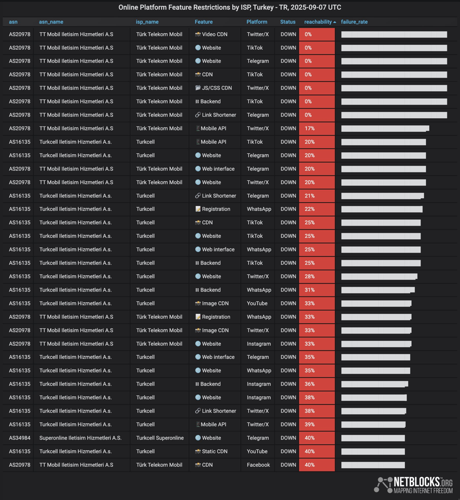
On the evening of Sunday, September 7, 2025, Turkey temporarily restricted access to major social media platforms, affecting X, YouTube, Instagram, Facebook, TikTok, and WhatsApp. The move was part of a broader effort amid escalating political tensions, according to reports from the internet monitoring organization NetBlocks. The shutdown lasted approximately 24 hours, with authorities citing...
The Global Artificial Cornea and Corneal Implant Market Report presents an in-depth analysis, merging qualitative and quantitative insights to provide a holistic understanding of the market's dynamics. The report evaluates growth drivers, challenges, and constraints while forecasting revenue trends across key segments. It offers both historical and projected data, giving stakeholders a clear...

Making Fortinet FCSS_NST_SE-7.6 Exam Study Simple and Stress-Free Preparing for the Fortinet FCSS_NST_SE-7.6 exam does not have to feel stressful or confusing. Many students struggle because they study too much without a clear plan. They read many resources but still feel unsure about what really matters for the exam. Choosing clear and trusted Fortinet FCSS_NST_SE-7.6 study material makes...

Executive Summary: Storefront Glass Market Size and Share by Application & Industry CAGR Value Data Bridge Market Research analyses that the storefront glass market was valued at USD 8967.50 million in 2021 and is expected to reach 13762.30 million by 2029, registering a CAGR of 5.50% during the forecast period of 2022 to 2029 A worldwide Storefront Glass Market report comprises...

BurnSlim Canada is a daily weight loss supplement designed for adults who want a natural and sustainable approach to managing their weight. Instead of relying on extreme methods, it works in harmony with the body’s natural systems, including key metabolic hormones like GLP-1 and GIP. This helps support appetite control, reduce cravings, and promote a more balanced approach to eating and...