


Trace Moisture Analyser | Ensuring Precision Moisture Control in Critical Industrial Processes
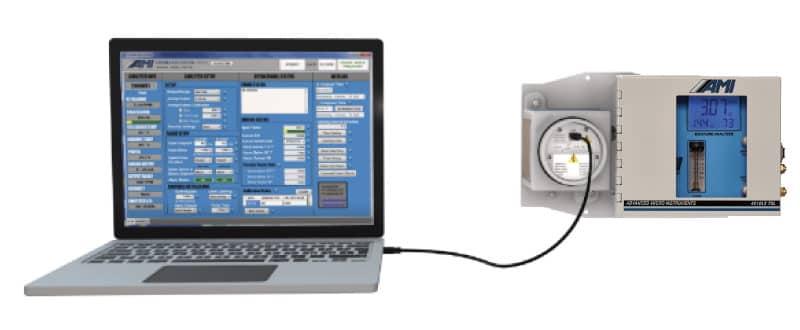
Moisture may appear harmless in everyday life, but in industrial environments, even the smallest amount of water vapor can cause serious damage. Tiny traces of moisture can lead to corrosion, contamination, reduced product quality, and costly equipment failures. In industries where purity and precision are essential, standard measurement tools are simply not enough. This is why a Trace Moisture Analyser has become an indispensable instrument for accurate and reliable moisture detection.
From gas processing plants to pharmaceutical laboratories, measuring extremely low levels of moisture ensures smooth operations and consistent results. These advanced analyzers help companies maintain strict standards, protect valuable equipment, and prevent unexpected downtime. Understanding how they work and why they matter can make a significant difference in operational efficiency.
What Is Trace Moisture and Why Is It Important?
Trace moisture refers to extremely small quantities of water vapor present in gases, liquids, or solids. While the amount may be measured in parts per million (ppm) or even parts per billion (ppb), the impact can be substantial. Even these tiny levels can trigger chemical reactions, cause rust, or affect sensitive manufacturing processes.
For example, in natural gas pipelines, moisture can form hydrates that block flow. In pharmaceutical production, excess water may alter the stability of ingredients. In electronics manufacturing, microscopic moisture can damage delicate circuits. These risks highlight the need for precise measurement.
A trace moisture analyzer allows industries to detect and control moisture at very low concentrations, ensuring optimal conditions and preventing problems before they occur.
How Trace Moisture Measurement Works
Modern moisture analyzers rely on specialized sensing technologies to measure extremely small water content accurately. These sensors detect changes in physical or chemical properties caused by moisture and convert them into measurable signals.
Different analyzers use different principles. Some measure dew point temperature, while others use electrical, chemical, or optical methods. The choice depends on the application, required accuracy, and environmental conditions.
The key advantage of a Trace Moisture Analyser is its ability to provide fast, consistent readings that standard humidity meters cannot achieve. This precision is essential in environments where even minor deviations can lead to costly consequences.
Common Sensor Technologies Used
Several technologies are commonly used in trace moisture detection, each offering unique benefits.
Chilled Mirror Sensors
These measure dew point by cooling a mirror until condensation forms. They are highly accurate and often used as reference standards in laboratories.
Electrolytic Sensors
These break down water molecules through electrolysis and measure the resulting current. They are extremely sensitive and suitable for very low moisture levels.
Capacitive Sensors
These detect changes in capacitance caused by moisture absorption. They provide quick response times and good stability for industrial use.
Spectroscopic Sensors
These use light absorption to identify moisture molecules. They offer non-contact measurement and excellent reliability.
Selecting the right technology ensures that a Trace Moisture Analyser performs effectively for specific operational needs.
Key Features of Modern Analyzers
Today’s analyzers are designed for both accuracy and convenience. They often include digital displays, user-friendly controls, and advanced data logging systems. These features allow operators to monitor trends and store measurements for quality control or compliance purposes.
Many models offer alarm functions that notify users if moisture levels exceed safe limits. Remote connectivity and integration with industrial automation systems are also becoming standard. Portable versions are available for field inspections, while fixed installations provide continuous monitoring.
A well-equipped Trace Moisture Analyser combines precision measurement with practical functionality, making it easy to use in demanding environments.
Industrial Applications
Trace moisture measurement plays a vital role in numerous industries. Each sector depends on accurate control to protect products and equipment.
Oil and Gas Industry
Monitoring moisture prevents corrosion and hydrate formation in pipelines and processing systems.
Pharmaceutical Manufacturing
Dry conditions ensure drug stability and maintain compliance with strict regulations.
Semiconductor and Electronics Production
Even minimal moisture can damage sensitive components, making precise control essential.
Power Generation
Dry gases improve turbine efficiency and reduce equipment wear.
Chemical Processing
Moisture control prevents unwanted reactions and maintains product purity.
In all these areas, a Trace Moisture Analyser supports safety, reliability, and consistent performance.
Benefits of Using Trace Moisture Analysis
Investing in advanced moisture detection provides several advantages. First, it protects equipment from corrosion and damage, reducing maintenance costs and extending lifespan. Second, it improves product quality by maintaining stable process conditions.
Third, it enhances safety. Excess moisture can lead to hazardous reactions or operational failures. Early detection helps prevent accidents. Additionally, accurate monitoring supports regulatory compliance by providing documented proof that conditions meet required standards.
By using a Trace Moisture Analyser, organizations can avoid costly downtime and ensure smooth operations.
Choosing the Right Analyzer for Your Needs
Selecting the right equipment requires careful consideration. Measurement range is one of the most important factors. Some processes require detection at ppm levels, while others need ppb sensitivity. Accuracy and response time are also critical, especially in fast-changing environments.
Environmental conditions such as temperature, pressure, and contamination levels should influence the choice. Durability and ease of maintenance matter as well. Devices that are easy to calibrate and service reduce long-term costs.
A properly selected Trace Moisture Analyser will deliver dependable performance and long-lasting value.
Maintenance and Calibration Practices
Regular maintenance ensures accurate readings over time. Sensors should be cleaned and protected from contaminants that may affect performance. Periodic calibration against reference standards helps prevent drift and maintains reliability.
Operators should also inspect sampling lines to ensure there are no leaks or blockages. Proper installation and correct handling are equally important. Following recommended service schedules extends the lifespan of the equipment.
With proper care, a Trace Moisture Analyser can provide consistent and precise results for many years.
Portable vs. Online Monitoring Systems
Some applications require portable analyzers for occasional testing, while others need continuous monitoring. Portable devices are ideal for field technicians performing spot checks or troubleshooting. They are lightweight and easy to transport.
Online systems, on the other hand, are permanently installed and provide real-time data. These systems automatically monitor moisture levels and integrate with control systems to trigger alarms or adjustments when needed.
Both options have their benefits, and the right choice depends on operational requirements.
Future Trends in Moisture Analysis Technology
As technology advances, moisture analyzers are becoming smarter and more efficient. Wireless connectivity, cloud-based data storage, and remote monitoring allow operators to access real-time information from anywhere. Artificial intelligence is also being used to predict moisture fluctuations and prevent issues proactively.
Smaller sensors, faster response times, and improved accuracy will continue to enhance performance. The future of the Trace Moisture Analyser promises even greater reliability and convenience, helping industries achieve higher standards with less effort.
Conclusion
Accurate trace moisture measurement is critical for maintaining product quality, protecting equipment, and ensuring safe operations. Even the smallest amount of water vapor can create serious problems in sensitive environments, making precise monitoring essential.
A Trace Moisture Analyser provides the sensitivity and reliability needed to detect extremely low moisture levels and maintain optimal conditions. By investing in the right technology, industries can reduce risks, improve efficiency, and achieve consistent results. In today’s demanding industrial landscape, this tool is not just useful — it is absolutely essential.
Categorías
Read More
According to recent industry analysis from Market Research Future, the global automotive pillars market is experiencing steady growth, driven by increasing vehicle production and advancements in safety standards. At the core of every vehicle's structural integrity are the automotive pillars A B C, the vertical or near-vertical supports that frame the vehicle's cabin and provide essential...

The surface roughness measurement market is experiencing steady growth as manufacturers increasingly emphasize precision, quality control, and product consistency across industrial production processes. Growing demand for high-accuracy inspection technologies is driving the adoption of advanced surface measurement solutions worldwide. The Surface Roughness Measurement Market size is expected to...

VRS Technologies offers Advanced Queue Management Systems in UAE. Streamline your business and reduce wait times. Contact us for Queue Management Solutions in Dubai, Abu Dhabi, and Sharjah. Visit us: https://www.vrstech.com/queue-management-solutions/
" According to the latest report published by Data Bridge Market Research, the Resveratrol Market CAGR Value The Resveratrol Market was valued at USD 176 Million in 2025 and is projected to reach USD 377.27 Million by 2033, growing at a CAGR of 10.00% from 2026 to 2033 The wide ranging Resveratrol Market report provides an overview of the Resveratrol...
According to the latest report published by Data Bridge Market Research, the Automotive Supercharger Market CAGR Value The global automotive supercharger market size was valued at USD 8.20 billion in 2024 and is expected to reach USD 12.00 billion by 2032, at a CAGR of 4.88% during the forecast period Automotive Supercharger...