Cowdung Cake: Tradition, Science & Mindful Home Rituals | Om Bhakti

The Surprising Truth About Cow Dung Cakes: Tradition, Science, and Your Home's Well-being
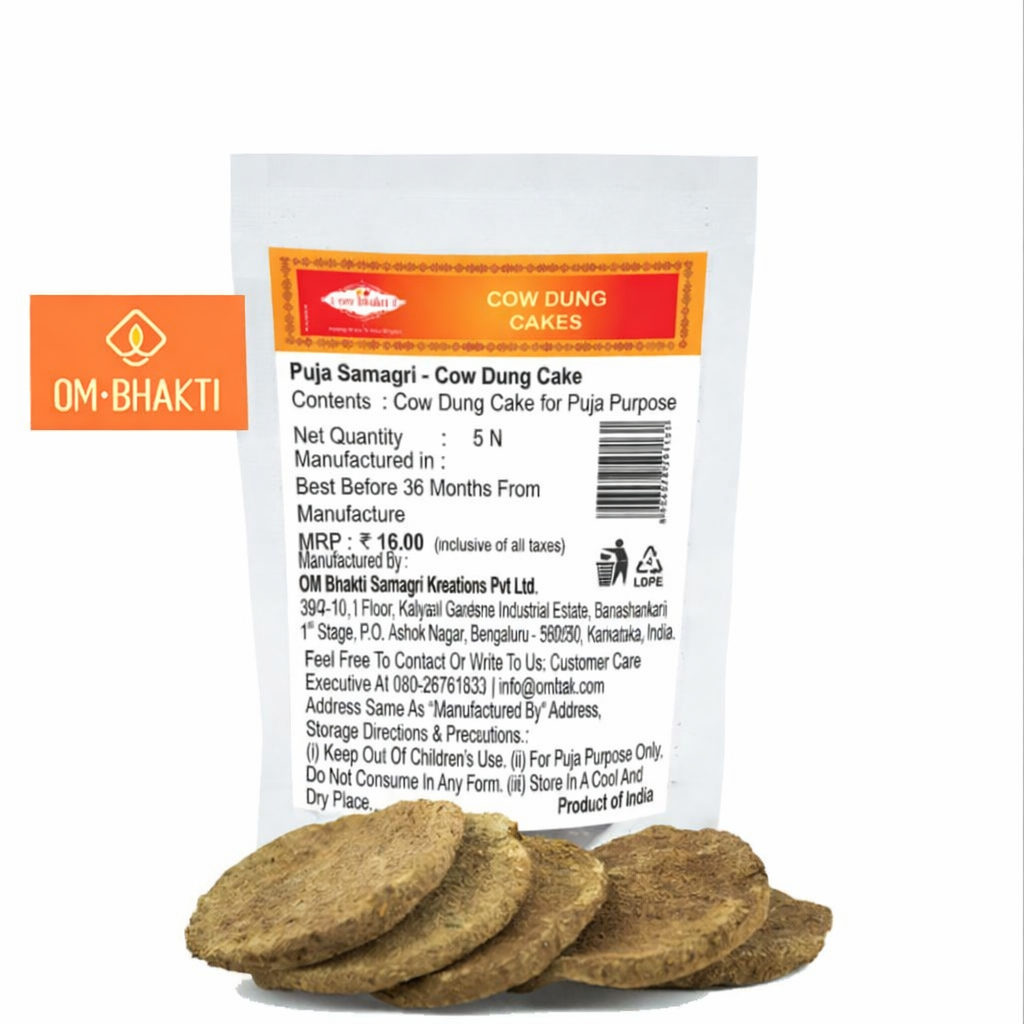
Let's be honest—when someone suggests bringing cow dung into your home for "purification," your first reaction might involve raised eyebrows and a quick retreat toward the nearest air freshener. But before you dismiss this ancient practice as outdated folklore, consider this: generations of families across India have used natural cow dung cakes not out of blind superstition, but from observed benefits passed down through centuries. At Om Bhakti, we bridge respectful tradition with modern understanding—because honoring heritage shouldn't mean ignoring today's knowledge.
What Exactly Is a Natural Cow Dung Cake?
A cow dung cake—known as upla, kanda, or gomaya in various Indian languages—is simply sun-dried bovine manure shaped into flat, disc-like forms. For thousands of years, rural households across South Asia have relied on these cakes as cooking fuel where firewood was scarce. But their role extended far beyond the hearth.
Traditionally, families mixed fresh cow dung with water to create a smooth paste for coating earthen floors and walls. This wasn't a random ritual—it served practical purposes. The paste created a smooth, sealed surface that discouraged insects, provided natural insulation, and offered water resistance for mud-based structures. Think of it as nature's original eco-plaster, long before sustainability became a marketing buzzword.
At Om Bhakti, we source authentic cow dung cakes prepared using time-honored methods—collected from free-grazing cows, sun-dried without chemicals, and shaped by hand. This ensures you receive products that honor tradition while meeting modern expectations for purity.
What Science Actually Says About Cow Dung Properties
Let's separate fact from fiction. Cow dung contains diverse microorganisms, including certain bacteria and fungi with documented antimicrobial characteristics. Researchers have examined these properties in laboratory settings, noting activity against specific bacterial strains under controlled conditions.
Why does this matter historically? When ancestors applied fresh dung paste to courtyard floors, they weren't just performing rituals—they were using an available material that created a less hospitable environment for pests and microbes. The alkaline nature of dried dung also contributed to surface cleanliness. This represents practical observation refined over generations—not mystical thinking.
Important clarification: These properties relate primarily to fresh or dried paste applications, not necessarily to burning cakes indoors. Context changes everything. At Om Bhakti, we believe in understanding how traditional practices worked—not just repeating them blindly.
Beyond Fuel: Traditional Applications in Indian Households
Cow dung served multiple practical roles in ancestral homes:
- Floor finishing: Fresh paste created smooth, sealed surfaces that were easier to clean and less attractive to insects.
- Ritual purification: Used in ceremonies like Griha Pravesh (housewarming) to symbolically cleanse new spaces
- Incense base: Dung's slow-burning quality made it ideal for traditional dhoop preparations.
- Agricultural use: Ash from burned cakes returned nutrients to soil in circular farming systems.
These applications emerged from generations of lived experience—not divine decree. Our ancestors observed patterns ("floors treated this way stayed cleaner"), refined techniques, and passed down what worked. That's empirical problem-solving wearing cultural clothing.
When you explore authentic products at https://www.ombhakti.in/, you're connecting with this heritage of practical wisdom—not buying into magical thinking.
Understanding "Positive Energy" Without the Pseudoscience
Let's address the elephant—er, cow—in the spiritual room. In Hindu tradition, the cow symbolizes abundance, nourishment, and gentleness. Consequently, its byproducts hold cultural significance and appear in rituals like havan (sacred fire ceremonies). Using cow dung cakes during prayers isn't about literal "energy fields"—it's about intentionality.
Does burning dung emit measurable "positive vibrations"? No scientific instrument detects such phenomena. But here's what does happen: ritual actions focus the mind. Lighting a candle during prayer creates a sensory anchor—smell, sight, and warmth—that slows racing thoughts and invites presence. That feeling of calm? That's your nervous system responding to mindful practice—not mystical frequencies.
At Om Bhakti, we honor this distinction. Our cow dung cakes support meaningful ritual without requiring you to abandon critical thinking. Spirituality and science can coexist when we understand their proper domains.
The Non-Negotiable: Safety First
Here's where tradition needs modern wisdom. The World Health Organization clearly states that burning biomass fuels—including dung cakes—in poorly ventilated indoor spaces produces harmful particulate matter. These emissions contribute to respiratory issues, especially with frequent, prolonged exposure in sealed environments.
This isn't alarmism—it's physics. Traditional homes featured open courtyards, constant cross-ventilation, and lower cumulative exposure over lifetimes. Modern apartments with sealed windows? Different story entirely.
Om Bhakti's responsible guidance:
- Use dung cakes outdoors or in well-ventilated spaces (courtyards, balconies, gardens).
- Avoid daily indoor burning for "purification."
- Reserve ceremonial use for special occasions with proper airflow
- Never compromise respiratory health for ritual practice.
Tradition deserves respect—but not at the cost of well-being. True reverence includes protecting your family's health.
How to Use Cow Dung Cakes Mindfully Today
You don't need to reject heritage to embrace modern living. Here's how to honor tradition responsibly:
1. Choose outdoor settings: Perform havan or light dung cakes in open areas where smoke dissipates naturally.
2. Focus on intention: The spiritual benefit comes from mindful practice—not the specific fuel source.
3. Combine old and new: Use dung cakes ceremonially while maintaining modern home hygiene standards.
4. Source consciously: Ensure your cakes come from ethically raised cows without antibiotic residues.
At Om Bhakti, every cow dung cake we offer comes from naturally raised cows in humane farming environments. We believe authentic spirituality includes compassion for all beings—including the animals whose byproducts we use reverently.
Home Purification: What Actually Works
Let's clarify what "purification" means in practical terms:
- Physical cleanliness: Regular cleaning, ventilation, and moisture control prevent mold and allergens.
- Air quality: Opening windows, using air-purifying plants, and avoiding indoor smoke maintain healthy air
- Psychological freshness: Rituals create mental shifts—lighting incense or performing aarti signals transition and intention.
Cow dung cakes contribute primarily to the third category when used appropriately. The act of preparing for prayer, lighting a flame with intention, and engaging your senses creates psychological "freshness"—a reset for your mental space. That's valuable. But it doesn't replace HEPA filters or proper ventilation.
Om Bhakti supports holistic home wellbeing: physical cleanliness through modern methods, emotional balance through mindful practice, and cultural connection through authentic products.
Why Authenticity Matters
Not all cow dung cakes are created equal. Mass-produced versions may contain:
- Antibiotic residues from industrial dairy operations
- Chemical additives for faster drying
- Contaminants from unsanitary collection methods
Authentic, naturally prepared cakes—like those at www.ombhakti.com—come from:
- Free-grazing cows fed natural diets
- Chemical-free collection and sun-drying processes
- Traditional preparation honoring cultural methods
This authenticity affects both ritual integrity and safety. When you choose genuine products, you support ethical farming and receive materials prepared with reverence—not rushed manufacturing.
The Balanced Perspective
Natural cow dung cakes occupy a meaningful space where cultural heritage, practical history, and mindful ritual intersect. They:
- Hold documented historical use in surface treatment
- Carry deep spiritual significance for millions
- Support intentional practice when used responsibly
But responsible modern usage requires wisdom:
- Honor tradition without ignoring health science
- Understand why practices developed—not just repeat them
- Adapt methods to contemporary living environments
This isn't rejecting heritage—it's maturing it. Our ancestors would likely embrace ventilation if they understood its benefits. True tradition evolves while keeping its essence intact.
Experience Authentic Tradition at Om Bhakti
Om Bhakti exists to make spiritual practice accessible, authentic, and thoughtful. We don't sell magic—we offer carefully sourced products that support meaningful ritual when used with understanding and care.
Our cow dung cakes arrive prepared according to traditional methods, sourced ethically, and ready for respectful ceremonial use. Paired with proper guidance about ventilation and intention, they become tools for mindfulness—not mystical shortcuts.
Visit https://www.ombhakti.in/to explore our complete range of puja essentials—from hand-rolled incense to sacred herbs—all curated for those who value both tradition and truth.
About Om Bhakti
Om Bhakti brings thoughtful spirituality to modern homes. We believe authentic practice blends reverence for tradition with respect for contemporary knowledge. Our products—from natural cow dung cakes to temple-grade incense—are sourced ethically, prepared traditionally, and offered with transparent guidance. Because meaningful ritual shouldn't require sacrificing critical thinking or well-being.
Final thought:
Open a window, breathe deeply, and enjoy the moment of calm. That's positive energy science actually understands—and tradition beautifully honors with at Om bhakti.
Catégories
Lire la suite
Finding time to unwind has become essential for maintaining both physical and mental well-being. Many people are now prioritizing self-care as part of their routine, seeking simple yet effective ways to relax and recharge. This is where SPA Lubbock becomes a valuable choice, offering a peaceful escape from everyday stress. With a variety of treatments designed to soothe the body and calm...

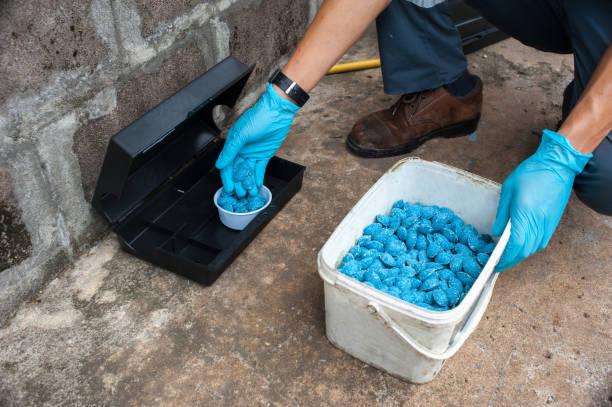
The first sign is usually subtle. A few small droppings in the corner of a pantry. A faint scratching sound in the ceiling late at night. A bag of rice or pasta that has been quietly chewed open. For many homeowners, that is the moment concern turns into urgency. Mice are not dramatic intruders; they are quiet, persistent, and highly adaptable. Ignoring them rarely makes the problem disappear....
Noida Escorts Chandigarh Escort Escorts in Ludhiana SeekerBazzar is India’s preferred platform for authentic Independent Escorts Services, functioning as a dedicated classified ad post site. Unlike agency-run portals, SeekerBazzar empowers independent escorts to create and manage their own listings, ensuring transparency and direct connections. Discover a wide variety of premium...

" Exactitude Consultancy That Adds Flavour To Your Success" Surgical imaging Market insights. C-arms, O-arms, and digital imaging for orthopedic and cardiovascular surgery. The global Surgical Imaging Market is projected to reach USD 1.25 Billion in 2026 and USD 1.95 Billion by 2033, growing at a 6.5% CAGR. If you're looking for insights into the Surgical Imaging Market, you're in...

Global Industrial IoT Market to Accelerate Rapidly with Smart Manufacturing, Predictive Maintenance, and Industry 4.0 Investments Driving Growth The global Industrial IoT (IIoT) market is experiencing remarkable expansion as industries worldwide accelerate digital transformation and adopt connected technologies to improve productivity, operational efficiency, and cost...