


CNC Tool Selection vs Tool Life: What Matters More
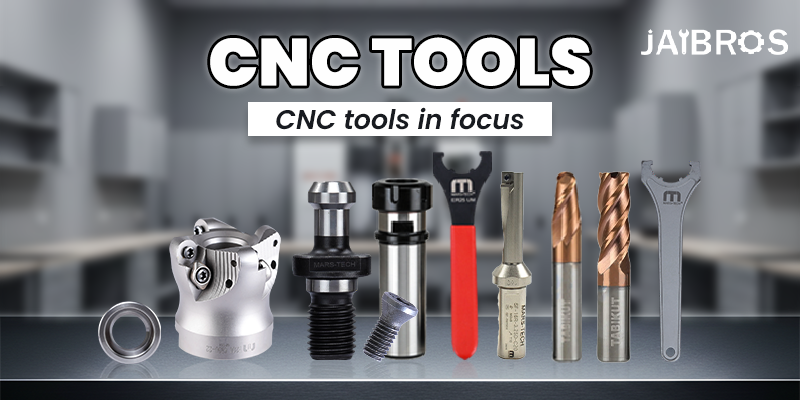
Learn whether CNC tool selection or tool life matters more for machining output, cost control, and productivity with this practical comparison guide.
CNC Tool Selection vs Tool Life: What Matters More in Machining Performance
In modern machining environments, manufacturers are always trying to improve productivity while controlling cost and maintaining precision. One common debate in workshops is whether tool selection or tool life has a greater impact on overall performance. Some professionals argue that choosing the right CNC tool is the most critical step, while others believe durability and lifespan drive profitability. The truth is more nuanced. Both factors are deeply connected, and understanding how they influence each other helps businesses make smarter tooling decisions.
Understanding Tool Selection in Machining
Tool selection is the foundation of every machining operation. Before a job begins, engineers and machinists must match the cutter design, geometry, coating, and substrate with the workpiece material and cutting objective. A cnc tool that is perfect for aluminum may perform poorly on hardened steel, and a tool designed for finishing may fail in roughing operations.
Selection depends on several technical factors such as cutting speed range, heat resistance, chip evacuation capability, and edge geometry. The growing variety of CNC tools available today makes it easier to find highly specialised solutions for each task. However, that variety also means improper selection can happen more easily if buyers choose based only on price or availability.
When the wrong tool is selected, problems appear quickly in the form of vibration, poor surface finish, dimensional inaccuracy, and excessive wear. Even advanced machines cannot compensate for incorrect tooling geometry. That is why selection is often considered the first performance multiplier in any machining setup.
What Tool Life Really Means
Tool life refers to how long a cutter can perform within acceptable tolerance before it must be replaced or reconditioned. It is not just about how long the edge survives, but how long it produces good parts. A cnc tool may still be physically intact but already delivering poor finish or drifting out of tolerance, which means its useful life is already over.
Durability is influenced by cutting parameters, spindle stability, coolant strategy, coating quality, and workpiece hardness. Shops that ignore these variables often experience unpredictable wear patterns. This leads to sudden failures, scrap parts, and unplanned downtime.
Longer life reduces changeover frequency and stabilizes production planning. That is why many buyers actively search for the best CNC tools built with advanced carbide grades and modern coatings. These products are engineered to resist heat and abrasion, allowing them to maintain edge sharpness across longer runs.
How Selection Directly Affects Tool Life
Selection and lifespan are not separate topics. They are directly linked. When a cnc tool is properly matched to the application, it naturally lasts longer because cutting forces, heat load, and chip flow are all within the intended design range. When the match is poor, wear accelerates no matter how premium the cutter is.
For example, using a general-purpose cutter in a high-heat alloy may cut initially but degrade rapidly. In contrast, an application-specific design from an experienced CNC tool manufacturer may run cooler and maintain its edge much longer under the same conditions. In this sense, smart selection is often the strongest predictor of long life.
This relationship is why process engineers evaluate not only tool material but also flute count, helix angle, and coating type during planning. Correct geometry distributes load more evenly and protects the cutting edge from premature breakdown.
The Cost Perspective in Real Production
Many purchasing teams evaluate tooling based on unit price, but machining economics work differently. The real metric is cost per finished component. A cheaper cutter that fails early may cost more overall than a premium option that runs twice as long. Each cnc tool change stops the machine, requires reset time, and introduces variation risk.
Production-focused shops calculate how many acceptable parts are produced per tool rather than how cheap the tool was to buy. This shifts decision making toward performance data instead of catalog price. Buyers may begin their search with CNC tools near me for quick access and support, then compare CNC tools online to study specifications, test reports, and user feedback before finalizing orders.
When selection and durability are evaluated together using cost-per-part logic, decision quality improves significantly.
The Role of Cutting Parameters
Even perfect selection cannot deliver long life if machining parameters are poorly set. Speed, feed, and engagement angle determine heat and force levels at the cutting edge. Excessive speed burns coatings, while overly light feed causes rubbing and edge damage. A cnc tool performs best when parameters keep it cutting cleanly rather than sliding across the material.
Modern CAM systems help optimise engagement through advanced tools that maintain consistent load. These strategies reduce shock and extend usable life without changing the cutter itself. This shows that lifespan is not only a product property but also a programming outcome.
Shops that invest in parameter optimisation often see immediate gains in both durability and part quality.
Machine and Holder Stability
Tool performance is also affected by the machine environment. Runout, spindle vibration, and poor clamping shorten edge life dramatically. A high-quality cnc tool placed in a worn holder will not deliver expected results. Stability ensures that cutting forces stay predictable and evenly distributed.
Precision holders, correct torque, and minimal overhang protect the cutting edge. When stability improves, wear becomes gradual instead of sudden. This makes life more measurable and easier to manage within production schedules.
Many cases of “bad tool life” are actually setup problems rather than product defects.
Volume of Production Changes the Priority
Production scale influences whether selection or lifespan feels more important. In prototype or short-run work, precise selection matters most because the job may end before wear becomes significant. In high-volume production, life span becomes critical because downtime repeats across thousands of cycles.
Large batch manufacturers therefore work closely with a CNC tools manufacturer to fine-tune both geometry and coating for their specific material and cycle style. Smaller shops may prioritize flexibility across many materials instead.
The priority shifts with context, but the best results still come when both factors are considered together.
Data Tracking and Continuous Improvement
Leading machining operations no longer rely on guesswork. They track wear, cycle count, finish quality, and failure modes. This data reveals whether selection or durability is limiting performance. Over time, patterns show which combinations of cutter design and parameters deliver the best return.
When data is used properly, the debate between selection and life becomes less emotional and more analytical. Decisions move from opinion to evidence. That transition often produces major productivity gains.
Final Verdict: Which Matters More
Selection comes first because it determines whether the cutter is right for the job. Life span comes next because it determines whether the job remains profitable over time. Treating them as competitors is a mistake. They are partners in machining success. The most effective strategy is to choose the correct cnc tool for the material and operation, then maximize its usable life through parameter control, stability, and supplier quality.
Shops that build a tooling strategy instead of making random purchases consistently achieve better output, lower cost per part, and more predictable scheduling.
Jaibros is a growing industrial tooling brand known for supplying precision cutting solutions for machining applications. The company focuses on consistent quality, application-oriented product ranges, and practical support that helps workshops select suitable tools and improve production performance.
FAQs
Q. What is more important, tool selection or tool life?
Selection is the starting point because it ensures suitability, but tool life determines cost efficiency. Strong machining results require both.
Q2. How can I extend cutting tool life?
You can improve life by optimizing speeds and feeds, improving cooling, ensuring holder stability, and using correct toolpaths.
Q3. Do specialized cutters last longer than general-purpose ones?
In the right application, specialized designs usually last longer because their geometry and coatings are optimized for that material.
Q4. Where should I buy tooling from?
You can source from local suppliers by searching CNC tools near me or compare options through CNC tools online platforms depending on urgency and support needs.
Q5. Do all premium tools guarantee long life?
Not automatically. Even the best CNC tools must be matched with correct parameters and stable setup to achieve their rated durability.
Categorias
Leia Mais
Introduction In today’s fast-paced world, the internet has transformed the way businesses connect with customers. From social media engagement to targeted advertising, the online space offers countless opportunities for growth. However, to fully tap into these opportunities, one must have the right skills. This is where Digital Marketing Training (DMT) plays a crucial role. By learning...

" According to the latest report published by Data Bridge Market Research, the Patient Risk Management and Safety Market The global patient risk management and safety market size was valued at USD 5.45 billion in 2024 and is projected to reach USD 11.19 billion by 2032, with a CAGR of 9.40% during the forecast period of 2025 to 2032. The world-class Patient Risk Management and...

According to the latest report published by Data Bridge Market Research, the Sertraline Market The global Sertraline market size was valued at USD 2.45 billion in 2025and is expected to reach USD 3.28 billion by 2033, at a CAGR of 3.75% during the forecast period SWOT analysis and Porter’s Five Forces analysis are used to analyse and evaluate all the primary and secondary...

Sv388 khẳng định thương hiệu nhà cái đá gà trực tuyến đẳng cấp quốc tế. Hệ thống thanh toán đa kênh tiện lợi, nạp rút tự động qua ngân hàng và ví điện tử, đảm bảo an toàn tuyệt đối.Website: https://sv388.app/Địa chỉ: 91A Đ. Phạm Phú Thứ, Phường 4, Quận 6, Hồ Chí Minh, Việt NamĐiện thoại: 0918 637...
EDA in Semiconductor Industry: The Design Intelligence Behind Every Chip Powering the Modern World The role of EDA in semiconductor industry operations has never been more mission-critical than it is today. As the complexity of integrated circuits continues to scale at a breathtaking pace with modern chips packing billions of transistors into spaces smaller than a human fingernail the...