


Coating Technologies Used in Modern Chamfer Tools
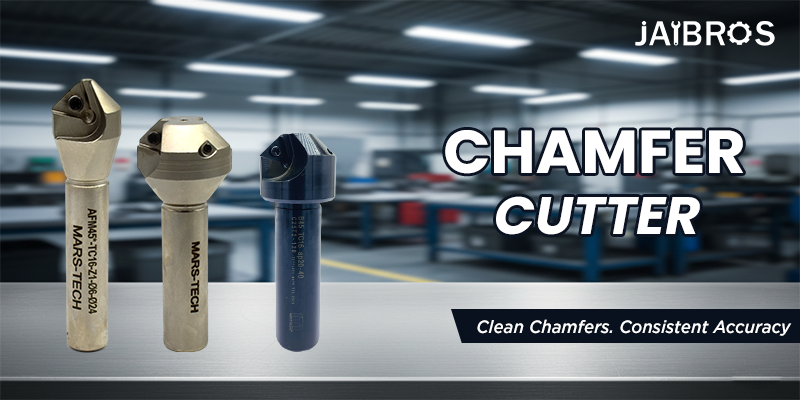
Discover advanced coating technologies used in modern chamfer tool design, including TiN, TiAlN, and DLC coatings for improved tool life and CNC performance.
Advanced Coating Technologies Used in Modern Chamfer Tools
In modern metal cutting industries, tool performance is no longer dependent only on geometry and material. Surface coating technology plays a critical role in improving tool life, wear resistance, and cutting efficiency. A high-quality Chamfer Tool today is designed not just with precision angles but also with advanced coatings that enhance durability and performance. Whether it is a 30-degree chamfer tool used for shallow beveling or a back chamfer tool for internal operations, coating technology directly impacts machining success.
Chamfering operations may appear simple, but they involve high friction, elevated temperatures, and repeated cutting cycles. Without proper coating, tools can wear out quickly, leading to poor surface finish and higher operational costs. Modern coating technologies help manufacturers achieve consistent results even in high-speed CNC environments.
Why Coatings Are Important in Chamfering Tools
Chamfering involves edge finishing, deburring, and bevel creation on different metals. During this process, the cutting edge faces friction and heat buildup. Coatings act as a protective barrier between the cutting edge and the workpiece material.
A properly coated Chamfer Tool offers improved hardness, oxidation resistance, and reduced friction. This results in smoother cuts, lower heat generation, and longer service life. In high-production setups, especially when using a back chamfer tool for VMC, coating performance becomes even more critical because of higher spindle speeds and continuous machining cycles.
Titanium Nitride (TiN) Coating
Titanium Nitride, commonly known as TiN, is one of the earliest and most widely used coatings in cutting tools. It has a distinctive golden color and provides moderate hardness and wear resistance.
TiN coating improves surface hardness and reduces friction between the tool and workpiece. It is suitable for general machining applications and works well on softer metals such as aluminum and mild steel. Many standard chamfering cutters and 15-degree chamfer tool variants use TiN coating for cost-effective performance improvement.
Although TiN enhances durability compared to uncoated tools, it may not be ideal for high-temperature or heavy-duty operations.
Titanium Carbonitride (TiCN) Coating
Titanium carbonitride, or TiCN, offers higher hardness than TiN. It provides better wear resistance and is suitable for machining harder materials.
TiCN-coated tools perform well in medium- to high-speed machining. When applied to a chamfer tool, TiCN coating enhances edge retention and reduces abrasive wear. It is particularly beneficial when machining alloy steels or materials that generate higher friction during cutting.
This coating is often preferred for tools that require longer production runs and improved cutting stability.
Titanium Aluminum Nitride (TiAlN) Coating
Titanium aluminum nitride, known as TiAlN, is one of the most advanced coatings used in modern cutting tools. It provides excellent heat resistance and oxidation protection.
TiAlN performs exceptionally well in high-speed machining environments. It forms a protective aluminum oxide layer at elevated temperatures, which shields the cutting edge from thermal damage. This makes it ideal for high-performance applications such as a back chamfer tool for VMC operations where consistent precision is required under high RPM conditions.
A TiAlN-coated Chamfer Tool delivers extended tool life and maintains cutting sharpness even in demanding conditions.
Aluminum Titanium Nitride (AlTiN) Coating
AlTiN coating is similar to TiAlN but offers even greater heat resistance in certain applications. It is commonly used for machining hardened steels and high-temperature alloys.
When applied to a 30-degree chamfer tool, AlTiN coating ensures better performance in continuous cutting operations. It allows tools to operate at higher speeds while maintaining structural integrity. This coating is especially valuable in industries like aerospace and automotive manufacturing where heat generation is significant.
Diamond-Like Carbon (DLC) Coating
Diamond-like carbon coating is known for its extremely low friction properties. It is particularly useful when machining non-ferrous materials such as aluminum, copper, and composites.
DLC-coated tools reduce material adhesion on the cutting edge, which improves surface finish. For delicate finishing operations performed with a 15-degree chamfer tool, DLC coating enhances smoothness and minimizes burr formation.
However, DLC may not be suitable for high-temperature ferrous machining due to its specific material compatibility.
Physical Vapor Deposition (PVD) Technology
Many modern coatings are applied using Physical Vapor Deposition technology. PVD is a process where coating material is vaporized and deposited onto the tool surface in a vacuum environment.
PVD coatings are thin yet extremely hard. They maintain sharp cutting edges without significantly altering tool geometry. This is crucial for tools requiring high precision, such as a back chamfer tool used for internal edge finishing.
PVD technology ensures uniform coating thickness and strong adhesion, resulting in reliable tool performance.
Chemical Vapor Deposition (CVD) Technology
Chemical Vapor Deposition is another advanced coating method. CVD coatings are generally thicker than PVD coatings and provide excellent wear resistance.
CVD-coated tools are commonly used in heavy-duty machining applications. While they may slightly alter edge sharpness due to thickness, they offer superior durability for demanding cutting conditions.
In chamfering operations involving tough materials, CVD-coated tools provide long-lasting performance and resistance to abrasive wear.
Choosing the Right Coating for Your Application
Selecting the appropriate coating depends on several factors including workpiece material, cutting speed, and machine type. For high-speed CNC machining, TiAlN or AlTiN coatings are often recommended. For general-purpose operations, TiN or TiCN coatings may be sufficient.
When using a Chamfer Tool in high-production environments, especially in automated setups, investing in advanced coatings ensures consistent quality and reduced downtime. Coating choice also affects surface finish and dimensional accuracy, making it a crucial decision in machining operations.
Benefits of Advanced Coating Technologies
Modern coating technologies offer significant advantages. They improve tool hardness, reduce friction, enhance heat resistance, and extend service life. These benefits translate into lower tooling costs and improved production efficiency.
A coated Chamfer Tool maintains sharper cutting edges for longer periods. This reduces the frequency of tool replacement and ensures consistent chamfer angles across multiple parts.
In industries where precision and productivity are equally important, coating technology plays a vital role in maintaining competitive manufacturing standards.
Future Trends in Tool Coating
The future of coating technology is moving toward nano-layered and multi-layer coatings. These coatings combine multiple materials to optimize hardness, toughness, and thermal stability.
Advanced research is also focused on eco-friendly coating processes and improved adhesion techniques. As manufacturing continues to evolve, coating innovations will further enhance the performance of tools such as the back chamfer tool and other specialized chamfering cutters.
Conclusion
Coating technology has transformed the performance and reliability of modern chamfering tools. From TiN and TiCN to advanced TiAlN and DLC coatings, each technology serves a specific machining requirement. The right coating improves wear resistance, reduces heat buildup, and ensures consistent finishing quality.
Whether using a 30-degree chamfer tool for precision beveling or a back chamfer tool for VMC in high-speed machining, selecting the correct coating enhances productivity and extends tool life. A well-coated Chamfer Tool not only improves cutting efficiency but also reduces operational costs in the long run.
Jaibros is dedicated to providing high-performance cutting solutions tailored for modern industries. With a strong commitment to quality and innovation, Jaibros offers advanced chamfering tools designed with superior coating technologies to deliver durability, precision, and consistent performance across various machining applications.
Frequently Asked Questions
Q1. What is the purpose of coating in chamfering tools
Coating improves hardness, reduces friction, enhances heat resistance, and increases tool life during metal cutting operations.
Q2. Which coating is best for high-speed CNC machining
TiAlN and AlTiN coatings are highly suitable for high-speed machining due to their excellent thermal stability.
Q3. Is DLC coating suitable for all materials
DLC coating works best for non-ferrous materials like aluminum and copper but may not perform well in high-temperature ferrous machining.
Q4. Why is coating important for a back chamfer tool for VMC
High-speed VMC operations generate more heat and friction, so advanced coatings protect the tool and maintain precision.
Q5.How does coating affect surface finish
A properly coated tool reduces friction and material adhesion, resulting in smoother edges and better surface quality.
الأقسام
إقرأ المزيد
" According to the latest report published by Data Bridge Market Research, the Testing Inspection and Certification Market The Global Testing Inspection and Certification Market size was valued at USD 235.85 billion in 2024 and is expected to reach USD 397.42 billion by 2032, at a CAGR of 6.74% during the forecast period Salient attributes used while...

Introduction Sanjai Syamaprasad is a software engineer whose professional profile reflects the growing importance of technology, software development, and continuous innovation in today’s digital world. As software engineering continues to influence businesses, communication, automation, and everyday services, professionals in this field play an important role in designing reliable...
According to a new report from Intel Market Research, the global Prom Gowns Market was valued at USD 420 million in 2025 and is projected to grow from USD 433 million in 2026 to USD 558 million by 2034, exhibiting a CAGR of 3.2% during the forecast period. Market growth is driven by increasing demand for customization, social media influence on fashion trends, celebrity-inspired designs, and...
Making iSQI CTAL-TA Exam Study Simple and Stress-Free Preparing for the iSQI CTAL-TA exam does not have to feel stressful or confusing. Many students struggle because they study too much without a clear plan. They read many resources but still feel unsure about what really matters for the exam. Choosing clear and trusted iSQI CTAL-TA study material makes preparation simple, focused, and more...

隨著網路科技快速發展,數位娛樂已經成為現代生活中常見的休閒方式。智慧型手機、平板電腦與電腦設備不斷普及,讓使用者可以更加方便地接觸各種線上遊戲與娛樂內容。現代使用者對娛樂體驗的要求也逐漸提高,除了內容多元之外,也更加重視資訊清晰、操作便利與整體使用感受。game-queen 持續關注數位娛樂趨勢,希望提供更多值得探索的內容方向。 在多元的線上娛樂環境中,Gameone 是希望了解不同數位遊戲內容的使用者可以關注的選擇。現代玩家通常會從內容種類、使用便利性以及個人興趣等方面進行考量。透過不同類型的娛樂內容,使用者可以按照自己的休閒需求尋找適合的方式,同時根據設備與時間安排調整使用習慣,讓數位娛樂更加貼近日常生活。...
