


Safety Features In Custom Washer Design
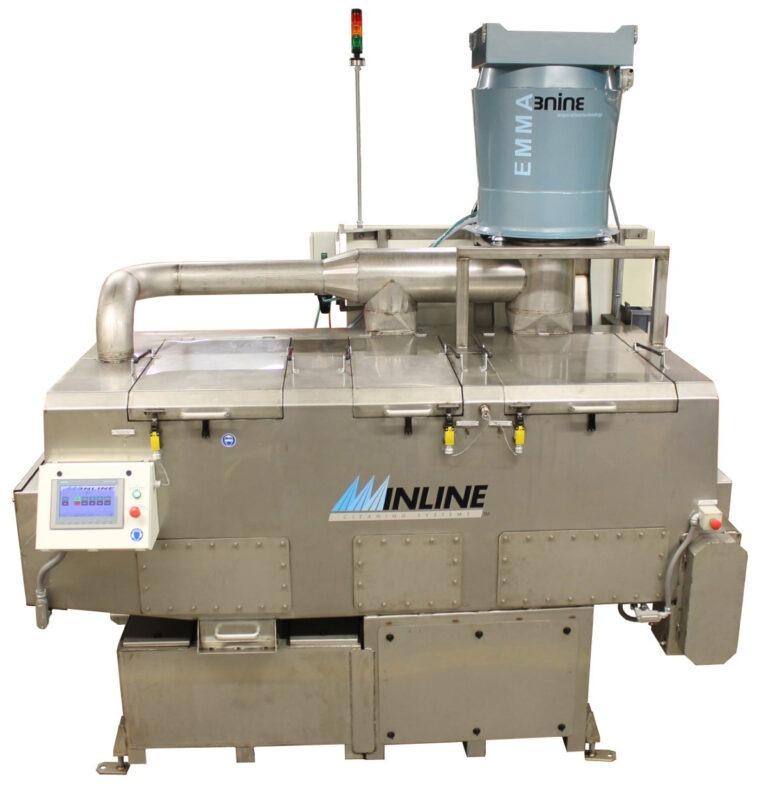
Safety is paramount in any industrial setting, and custom equipment offers the opportunity to integrate safety features that go beyond the minimum requirements. A Custom Washer handles hazardous elements: scalding water, aggressive chemicals, high voltage, and moving mechanical parts. Protecting operators from these risks is a critical part of the design process. This involves physical guarding, such as shrouds over chains and pulleys, as well as thermal protection to prevent burns from touching hot tanks.
Advanced control logic also plays a huge role. Safety interlocks on all access doors ensure that the pumps and conveyors stop immediately if a door is opened. Emergency Stop (E-Stop) buttons are strategically placed at loading and unloading stations to allow for instant shutdown in a crisis. These features create a safe working environment, reducing the liability of the employer and ensuring that the staff can operate the machinery with confidence.
Protecting The Operator In A Parts Washer
The interaction between the human and the machine is where risk lies. A safe Parts Washer is designed to minimize hazardous interactions.
Mist And Steam Management
Chemical mists and steam can be harmful if inhaled. Custom washers include exhaust fans and mist eliminators to capture these vapors before they enter the plant air, maintaining safe air quality.
Ergonomic Loading Heights
Back injuries are common in manufacturing. Customizing the conveyor height to match the ergonomic "power zone" of the operators prevents repetitive strain injuries during loading and unloading tasks.
Electrical And Mechanical Safety
Under the skin, the machine must be just as safe. Proper engineering ensures that failures do not result in danger.
Low Voltage Controls
Using 24V DC for control circuits reduces the arc flash hazard in the main panel and makes troubleshooting safer for technicians compared to working with live 120V or 480V control lines.
Torque Limiters
If a part jams in the tunnel, the conveyor motor can generate immense force. Torque limiters or electronic slip detection disengage the drive, preventing the machine from destroying itself or creating a projectile hazard.
Essential Safety Features
A compliant machine should include the following.
-
Door safety interlocks.
-
Accessible E-Stop buttons.
-
Insulated touch surfaces.
-
Steam and mist exhaust systems.
-
Electrical disconnects with lockout/tagout.
-
Pinch point guarding.
Conclusion
Safety is not an optional extra; it is a fundamental requirement of industrial equipment design. A custom washer allows for the integration of specific safety protocols that match the facility's standards. By prioritizing safety features, manufacturers protect their most valuable asset—their workforce—while ensuring compliance with OSHA regulations.
In the end, a safe machine is a productive machine. It reduces accidents, lowers insurance costs, and promotes a culture of safety within the organization. Investing in robust safety engineering is always the right decision.
Categorias
Leia mais
According to a new report from Intel Market Research, the global Weather Drifting Buoys market was valued at USD 1,390 million in 2024 and is projected to reach USD 2,311 million by 2032, growing at a CAGR of 8.1% during the forecast period (2025–2032). This growth is propelled by increasing demand for accurate oceanographic data from...

Polaris Market Research has introduced the latest market research report titled Business Jet Market Size, Share, Trends & Industry Analysis Report: By Type (Light Bizjet, Mid-Size Bizjet, and Large Bizjet), By Platform, By System, and By Region – Market Forecast, 2025–2034 that highlights the major revenue stream for the forecast period. The report contains clear,...
In today’s competitive manufacturing environment, precision and efficiency are no longer optional—they are essential. Businesses dealing with cutting operations are increasingly turning to digital tools to optimize processes, reduce waste, and improve productivity. One of the most impactful innovations in this space is saw optimization software, which enables smarter cutting...
Bladder control problems and pelvic discomfort are common issues that many people experience as they age. Frequent urination, unexpected leaks, and reduced pelvic strength can affect daily life and confidence. Because of these concerns, many people start searching for natural solutions that can help support bladder health and urinary comfort. One supplement that has been gaining attention...

Enjoy a Refreshing Stay at the Best Resorts in Coimbatore Finding the perfect getaway is about more than booking a room. Travelers today seek meaningful experiences that combine relaxation, scenic beauty, recreation, and memorable moments with family and friends. Nestled amidst the serene landscapes near Walayar, Winnershillresorts offers an exceptional retreat that brings together luxury,...
