


Military Cuts That Balance Function and Fashion
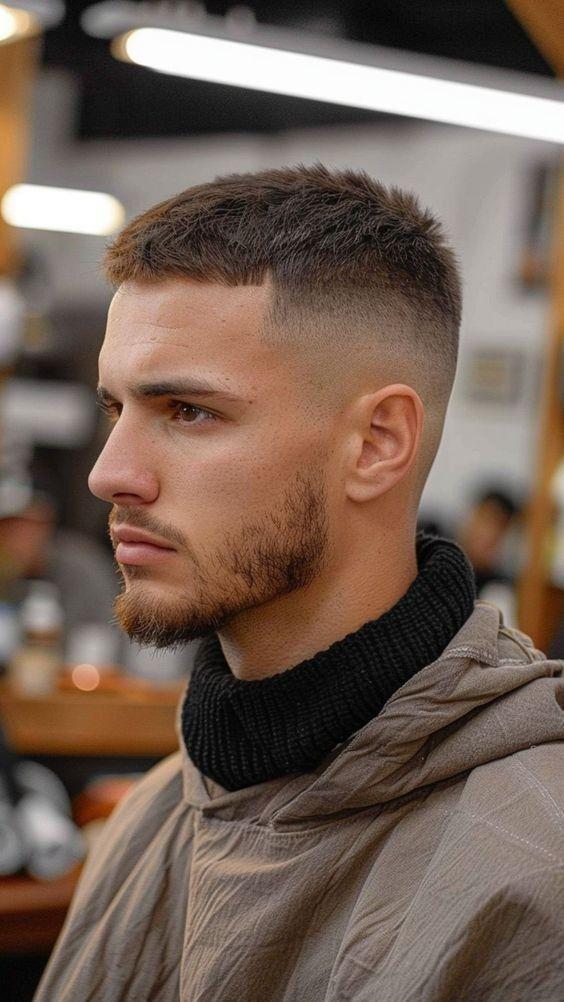
In the world of fashion, practicality often competes with style. However, Military cuts have managed to strike a perfect balance, blending rugged functionality with timeless aesthetics. Originating from army and navy uniforms, these cuts have transcended their utilitarian roots to become a staple in modern wardrobes. From structured jackets to tapered trousers, military-inspired designs continue to influence both casual and high-fashion outfits. This article explores the enduring appeal, key styles, and styling tips of military cuts that perfectly combine function and fashion.
The Origins of Military Cuts
Military cuts have a rich history rooted in the practical needs of soldiers. Early uniforms were designed for durability, ease of movement, and protection against the elements. Elements such as reinforced seams, multiple pockets, and durable fabrics ensured that soldiers could perform their duties effectively.
Over time, these functional features caught the eye of designers, who began incorporating them into civilian fashion. In the 20th century, military-inspired garments became associated with authority, structure, and elegance. The appeal of military cuts lies not only in their functionality but also in their ability to convey a sense of confidence and sophistication.
Key Features of Military Cuts
Military cuts are characterized by certain distinctive features that set them apart from other fashion styles. These include:
1. Structured Silhouettes
A hallmark of military cuts is the structured silhouette. Jackets and coats often feature a tailored fit with sharp lines and defined shoulders. This structure not only enhances the wearer’s posture but also adds a polished appearance to the outfit.
2. Functional Pockets
Utility is a core principle in military designs. Multiple pockets, often with flaps or button closures, are both practical and visually appealing. They allow for storage of essentials while contributing to the overall aesthetic of the garment.
3. Durable Fabrics
Military garments are made from robust fabrics like twill, canvas, wool, and leather. These materials withstand wear and tear, making military cuts ideal for daily wear or outdoor activities. The fabrics also provide a natural texture that complements both casual and formal outfits.
4. Epaulets and Decorative Details
Epaulets, brass buttons, and shoulder straps are signature elements of military cuts. While originally functional for rank identification and equipment attachment, these details now serve as stylish accents. They add a touch of authority and structure to jackets, coats, and even shirts.
5. Neutral Color Palettes
Military cuts often employ earthy tones such as olive green, khaki, navy, and black. These colors are versatile, easy to coordinate, and carry a sense of understated elegance. They also reflect the military’s need for camouflage and practicality, which seamlessly translates into a chic fashion statement.
Popular Military-Inspired Garments
Several garments in contemporary fashion draw directly from military design principles. Each offers a unique combination of functionality and style.
1. Military Jackets
Perhaps the most iconic military cut, the jacket comes in a variety of styles, including the bomber, field, and pea coat. Bomber jackets, originally worn by pilots, feature fitted cuffs and waistbands, providing warmth and a streamlined silhouette. Field jackets, with multiple pockets and durable fabric, offer utility without sacrificing style. Pea coats, with their double-breasted design, exude sophistication while maintaining the military heritage.
2. Combat Boots
Combat boots are an essential element of military fashion that has transitioned into mainstream style. Their sturdy soles, high ankles, and lace-up design provide comfort and support, making them perfect for both rugged terrains and urban streets. Pairing combat boots with tailored trousers or skirts adds a contemporary edge to any outfit.
3. Tapered Trousers
Military cuts extend to trousers with tailored, tapered designs that allow ease of movement. Often featuring cargo pockets or reinforced seams, these pants are practical and stylish. They can be dressed up with a structured jacket or down with a casual t-shirt for versatile looks.
4. Shirts and Tunics
Shirt designs inspired by military uniforms often feature buttoned pockets, epaulets, and sturdy fabrics. Tunics, longer in length, mimic traditional military wear while offering modern comfort. They are perfect for layering and can be paired with belts, boots, and slim trousers to create a cohesive outfit.
5. Accessories
Accessories like belts, hats, and scarves are also influenced by military aesthetics. Belts often feature functional buckles or webbing, while hats such as berets or peaked caps carry historical significance. These elements complete the military-inspired look without overwhelming it.
Styling Tips for Military Cuts
Military cuts can be versatile, but styling them effectively requires some consideration. Here are key tips to ensure your outfits are both functional and fashionable:
1. Balance Structure and Softness
Military garments are inherently structured. Pairing them with softer fabrics like cotton tees, silk blouses, or knitwear helps create a balanced look. This prevents the outfit from appearing too rigid or formal.
2. Stick to Neutral Colors
While military colors are versatile, combining too many strong shades can create a heavy look. Opt for a neutral palette and use one accent color to maintain cohesion. For instance, olive jackets pair well with beige trousers and white tops.
3. Mix Casual and Formal Elements
Military cuts are ideal for blending casual and formal pieces. A field jacket over a tailored shirt, or combat boots with a midi dress, creates a stylish juxtaposition of rugged and refined.
4. Layer Strategically
Layering is key to functional fashion. Military coats and jackets work well as outer layers, while shirts and tunics can serve as the base. This approach not only adds dimension to your outfit but also enhances practicality for changing weather conditions.
5. Accessorize Minimally
Military-inspired outfits often include decorative elements like buttons or epaulets. Avoid over-accessorizing to prevent clutter. Choose functional pieces like a leather watch, minimal belt, or structured bag that complement the look.
The Influence of Military Cuts on Modern Fashion
Military cuts have left a lasting mark on the fashion industry. Designers from haute couture to streetwear brands frequently incorporate military elements into their collections. Runway shows often feature structured jackets, cargo pants, and combat boots, highlighting the versatility of military cuts.
The influence extends beyond clothing. The principles of functionality, durability, and streamlined design have inspired everything from backpacks to footwear. Military-inspired aesthetics emphasize practicality without compromising style, making them highly relevant in today’s fashion landscape.
Sustainability and Military Cuts
In addition to style and function, military cuts also align with sustainable fashion principles. Their durable fabrics and timeless designs promote longevity, reducing the need for frequent replacements. Investing in high-quality military-inspired garments can lead to a more conscious and eco-friendly wardrobe.
Moreover, classic military cuts rarely go out of style. This longevity allows consumers to rotate garments across seasons, supporting sustainable consumption while maintaining a fashionable appearance.
Celebrities and Military Fashion
Military cuts have also gained popularity among celebrities and influencers. Iconic figures such as Rihanna, David Beckham, and Gigi Hadid have been spotted wearing military-inspired jackets, boots, and trousers, bringing mainstream attention to this classic style. Their adoption of military cuts showcases the perfect blend of rugged functionality and high fashion.
Military Cuts in Everyday Wear
Military-inspired clothing isn’t limited to runway shows or celebrity wardrobes. Its practical appeal makes it ideal for everyday wear. From commuting to casual outings, military jackets and trousers provide comfort, durability, and style. Combat boots are perfect for walking, while structured jackets add polish to any outfit. The balance of form and function ensures that military cuts remain relevant across age groups and lifestyles.
Seasonal Adaptability
Military cuts are highly adaptable to different seasons. In colder months, wool pea coats and insulated field jackets provide warmth while maintaining style. During warmer months, lighter fabrics like cotton and linen can be tailored into shirts and jackets that retain the signature military look without overheating. Layering options also allow for seamless transitions between seasons.
Customization and Personal Expression
Modern military-inspired fashion encourages personalization. Garments can be customized with patches, pins, or subtle embroidery to reflect individual style. This approach retains the core functionality of military cuts while allowing for self-expression. Combining classic military elements with contemporary details creates a unique and personalized wardrobe.
Conclusion
Military cuts perfectly merge the practicality of uniforms with the elegance of contemporary fashion. Their structured silhouettes, functional details, and timeless appeal make them versatile wardrobe staples. Whether in jackets, trousers, boots, or accessories, military-inspired garments offer a perfect blend of function and style.
By understanding the origins, key features, and styling tips, anyone can incorporate military cuts into their wardrobe effortlessly. From everyday wear to high-fashion ensembles, these garments provide a rugged yet refined aesthetic that transcends trends. As the fashion industry continues to embrace both functionality and elegance, military cuts will remain a symbol of balanced style for years to come.
Categorii
Citeste mai mult
The global Mobile Phone Accessories Market was valued at USD 173.61 Billion in 2024 and the total Mobile Phone Accessories Market revenue is expected to grow at a CAGR of 11.03% from 2025 to 2032, reaching nearly USD 400.97 Billion by 2032. The market is witnessing rapid expansion as consumers increasingly adopt AI-enabled smart accessories, wireless ecosystems, fast-charging...

According to the latest report published by Data Bridge Market Research, the Pet Food With Human-Grade Market CAGR Value The global pet food with human-grade market size was valued at USD 2.92 billion in 2024 and is expected to reach USD 5.82 billion by 2032, at a CAGR of 9.00% during the forecast period Pet Food With Human-Grade...

Swimming Pool Filter Price in India – Everything You Need to Know Before Buying A swimming pool is a valuable investment for hotels, resorts, villas, farmhouses, clubs, water parks, schools, residential societies, and commercial properties. However, maintaining crystal-clear and hygienic pool water is impossible without a high-quality swimming pool filtration system. One...

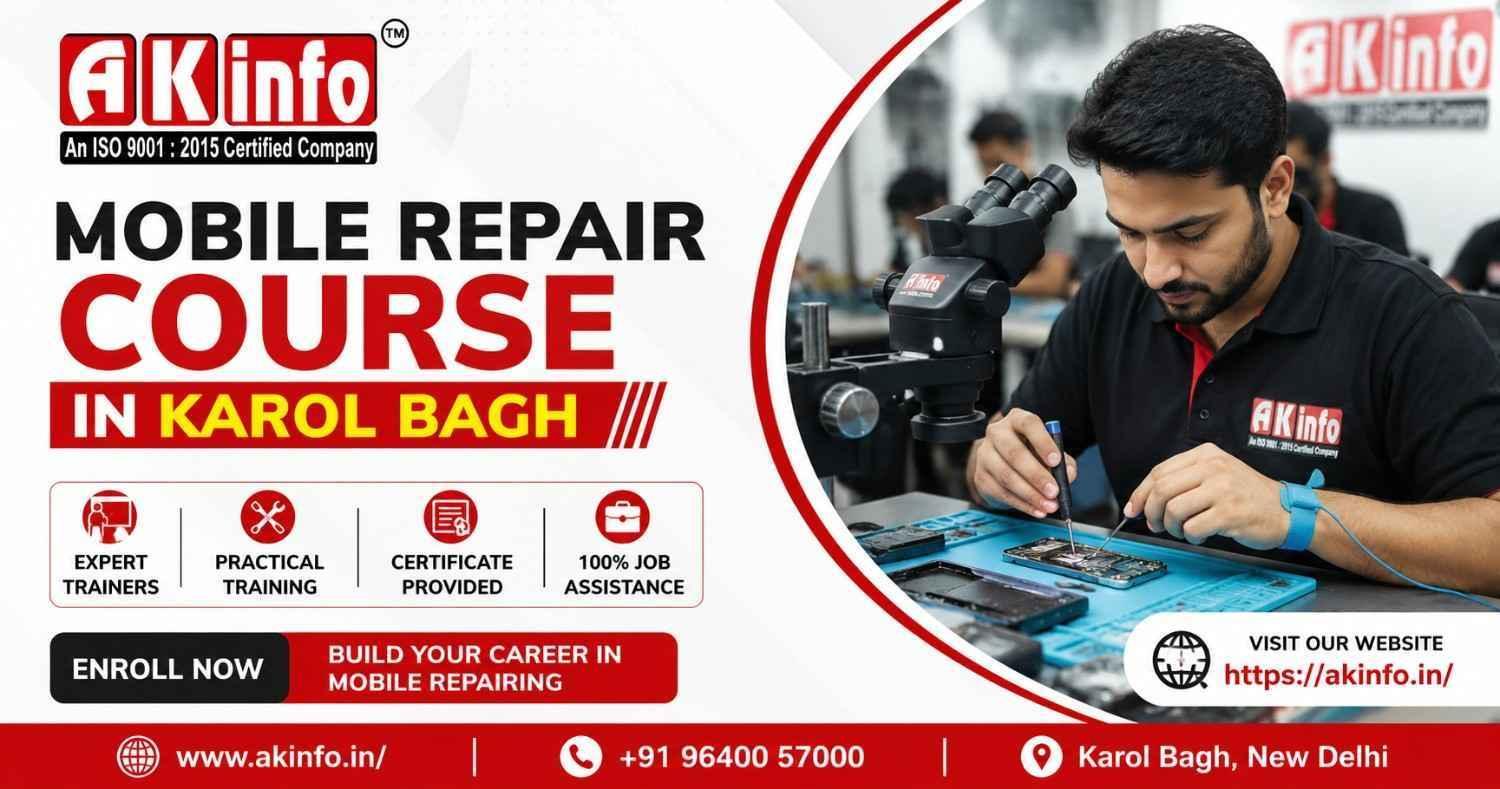
The mobile phone industry is growing rapidly, and smartphones have become an essential part of daily life. As the number of mobile users increases, the demand for skilled mobile repair technicians is also rising. Many people are now choosing a mobile repair course in Karol Bagh to learn practical skills and build a successful career in the mobile servicing industry. Karol Bagh is widely known...
What is HD Makeup? HD makeup, or High Definition makeup, is not just a beauty trend—it’s a revolution in how makeup looks both in real life and on camera. Originally developed for film and television industries where high-resolution cameras reveal every tiny imperfection, HD makeup uses ultra-fine, light-diffusing particles that create a smooth, flawless finish on the skin. When...