


Global Sterilization Equipment Market Outlook 2031: Rising Healthcare-Associated Infections, Regulatory Compliance, and Surgical Volumes to Drive 7.9% CAGR Through 2031
The global sterilization equipment market is witnessing steady expansion, underpinned by the increasing prevalence of Healthcare-associated Infections (HAIs) and the implementation of stringent regulatory standards governing sterilization processes. The industry was valued at US$ 13.8 Bn in 2022 and is projected to reach US$ 27.1 Bn by 2031, growing at a CAGR of 7.9% from 2023 to 2031.
Analysts observe that the surge in surgical procedures across hospitals and clinics, coupled with technological advancements in sterilization systems, is significantly accelerating market demand. Modern sterilization equipment now incorporates advanced monitoring and control systems capable of precisely regulating temperature, pressure, humidity, and exposure time—ensuring consistent sterility and compliance with international standards.
In addition, vendors are increasingly focusing on ergonomic product designs to prevent occupational injuries associated with repetitive tasks and heavy lifting. Automation across sterilization workflows is becoming a key trend, enabling healthcare providers to improve productivity while reducing manual errors.
Market Introduction
Sterilization is a cornerstone of infection prevention and control in healthcare settings, including hospitals, clinics, laboratories, and pharmaceutical manufacturing facilities. High-level sterilization eliminates pathogenic microorganisms, safeguarding patients and healthcare workers alike.
Various sterilization methods are widely adopted:
- Steam Sterilization (Autoclaving)
- Ethylene Oxide (ETO) Sterilization
- Hydrogen Peroxide Sterilization
- Dry Heat Sterilization
- Ionizing Radiation Sterilization
- Filtration Sterilization
Steam sterilization, performed using saturated steam under pressure, remains the preferred method due to its cost-effectiveness and non-toxic nature. It is suitable for most medical instruments, except those that are heat- or moisture-sensitive.
Dry heat sterilization is used for instruments that cannot tolerate steam due to limited penetration or material damage risks. ETO sterilization is predominantly used for delicate medical products that cannot withstand high temperatures. Meanwhile, hydrogen peroxide gas plasma and radiation sterilization methods are gaining traction for specialized applications.
Market Drivers
Rise in Prevalence of Healthcare-Associated Infections (HAIs)
The increasing burden of HAIs is one of the primary factors driving sterilization equipment market growth. More than 3.5 million cases of HAIs occur annually in the European Union and European Economic Area (EU/EEA), leading to over 90,000 deaths and approximately 2.5 million disability-adjusted life years (DALYs).
The alarming statistics have compelled healthcare authorities and providers to enforce stringent infection control measures. Surgical instruments that penetrate soft tissue or bone—such as scalpel blades, bone chisels, extraction forceps, and periodontal scalers—require sterilization after every use, directly fueling equipment demand.
Surge in Surgical Procedures
The global rise in minimally invasive surgeries, orthopedic interventions, cosmetic procedures, and other complex operations is significantly boosting the need for reliable sterilization systems. As surgical volumes increase worldwide, so does the demand for efficient and high-capacity sterilization equipment.
Stringent Regulatory Standards
Regulatory bodies across the globe are tightening compliance requirements for medical devices intended for sterile use. The European Medical Devices Regulation (MDR) 2017/745 outlines General Safety and Performance Requirements (GSPRs) related to infection and microbial contamination.
In July 2023, the U.S. Food and Drug Administration (FDA) recognized several consensus standards on sterilization methods to encourage innovation, support low-temperature vaporized hydrogen peroxide sterilization, and streamline premarket review processes.
Such regulatory frameworks are compelling manufacturers and healthcare institutions to adopt advanced sterilization systems that meet evolving standards.
Market Restraints
Despite strong growth drivers, certain factors may hinder market expansion:
- Increasing adoption of disposable medical devices
- Excise duties imposed on medical device manufacturers
- Environmental and safety concerns associated with ETO sterilization
Nevertheless, innovation in low-temperature and eco-friendly sterilization methods is expected to offset these challenges over the forecast period.
Segment Analysis
By Method
The heat sterilization/high-temperature sterilization segment held the largest market share in 2022. Heat sterilization is widely used for moisture-sensitive and thermo-stable products such as oils, waxes, and paraffin silicones. These systems are cost-effective, easy to handle, and widely adopted in hospitals and laboratories.
Within this segment, autoclaves are witnessing rapid expansion. Their reliability, relatively low capital investment, and ease of installation make them indispensable in medical institutions.
Other key segments include:
- Low-temperature sterilization (ETO, hydrogen peroxide gas plasma)
- Ionizing radiation sterilization (gamma and electron beam)
- Filtration sterilization
Low-temperature sterilization methods are gaining prominence due to their compatibility with heat-sensitive medical devices.
By End-user
The hospitals and diagnostic centers segment accounted for the largest share in 2022. Rapid hospital expansion, joint ventures, and acquisitions are driving infrastructure growth. The provision of comprehensive medical services under one roof further supports sterilization equipment demand.
The global increase in geriatric populations, who often require surgical and diagnostic procedures, is amplifying equipment adoption in hospitals.
Other major end-users include:
- Pharmaceutical companies
- Educational institutes
- Medical device companies
Pharmaceutical firms particularly rely on sterilization for drug manufacturing and compliance with Good Manufacturing Practices (GMP).
Regional Insights
North America: Leading the Market
North America dominated the sterilization equipment market in 2022. High prevalence of infectious diseases and advanced healthcare infrastructure are key factors driving regional growth.
According to the CDC, in 2021, approximately 3.8 million emergency department visits in the U.S. were linked to infectious and parasitic diseases as the primary diagnosis.
Technological advancements and regulatory initiatives further strengthen the region’s position. The U.S. Environmental Protection Agency (EPA) has proposed strategies to reduce emissions and exposure to ETO gas, addressing environmental and occupational safety concerns.
Other significant regions include:
- Europe
- Asia Pacific
- Latin America
- Middle East & Africa
Asia Pacific is expected to witness substantial growth due to expanding healthcare infrastructure in countries such as China and India.
Competitive Landscape
The sterilization equipment market is moderately consolidated, with leading players focusing on product innovation, automation, and strategic collaborations.
Key companies operating in the global market include:
- 3M
- Advanced Sterilization Products Services, Inc.
- Belimed AG
- Cantel Medical Corp.
- Getinge
- Sakura Si Co., Ltd.
- STERIS Corporation
- Stryker
- Sterigenics U.S., LLC
- Matachana Group
Manufacturers are introducing automated high-level disinfection systems designed for compact spaces and user-friendly operation. These systems enhance productivity, reduce downtime, and improve patient safety outcomes.
Key Developments
In January 2024, Multiply Labs partnered with Fedegari Group to automate sterilization processes for cell therapy robotic systems. Such collaborations highlight the increasing convergence of robotics and sterilization technologies in pharmaceutical and biotech manufacturing.
Automation and digital monitoring systems are expected to remain key innovation areas, enabling real-time data tracking and predictive maintenance capabilities.
Market Snapshot
- Base Year (2022): US$ 13.8 Bn
- Forecast Year (2031): US$ 27.1 Bn
- CAGR (2023–2031): 7.9%
- Historical Data: 2017–2021
- Forecast Period: 2023–2031
Qualitative analysis of the market includes drivers, restraints, opportunities, Porter’s Five Forces analysis, value chain assessment, and SWOT analysis.
Conclusion
The global sterilization equipment market is poised for substantial growth through 2031, driven by rising HAIs, increasing surgical volumes, and stringent regulatory frameworks. Technological advancements—particularly in automation, ergonomic design, and eco-friendly sterilization methods—are reshaping the industry landscape.
While challenges such as disposable device adoption and environmental regulations persist, continuous innovation and expanding healthcare infrastructure worldwide will ensure sustained demand. As infection control remains a critical priority in healthcare systems globally, sterilization equipment will continue to play a pivotal role in safeguarding patient safety and improving clinical outcomes.
الأقسام
إقرأ المزيد
Market Overview The global Sports & Fitness Clothing Market is experiencing dynamic growth, propelled by the rising global emphasis on health and wellness, the proliferation of athleisure fashion, and continuous innovation in performance fabrics. Valued at approximately USD 224.5 billion in 2025, the market is projected to reach USD 422.2 billion by 2033, growing at a CAGR of 8.4%...

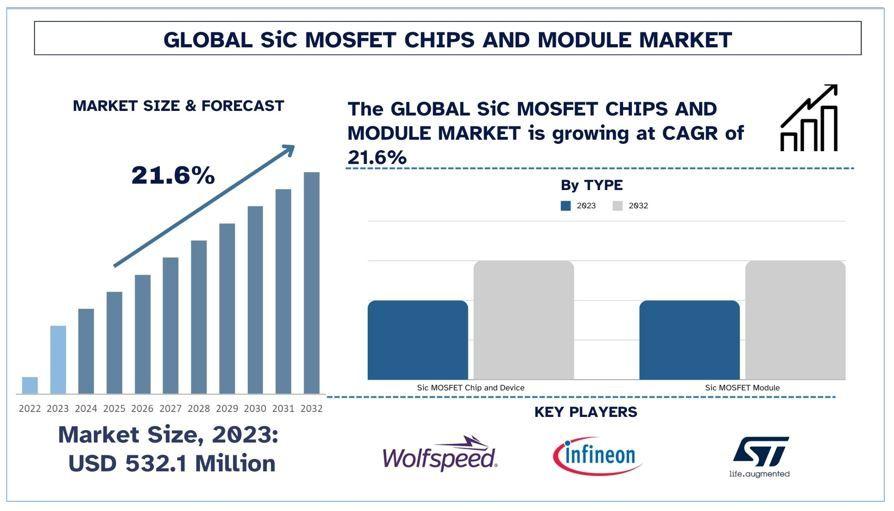
According to the UnivDatos analysis, rising demand for energy-efficient solutions, the increasing adoption of electric vehicles, the expansion of renewable energy projects, and stringent government regulations promoting energy efficiency and carbon emission reduction will drive the global scenario of the SiC MOSFET Chips and Module market. As per their “SiC MOSFET Chips (Devices) and...
In today’s competitive online gaming environment, smooth withdrawals are a key factor that defines user trust. A platform may offer engaging games, but without a reliable withdrawal system, user confidence quickly fades. Fairdeal stands out by offering a clear, secure, and efficient process for accessing winnings. Designed with user convenience in mind, Fairdeal ensures that every...

In today’s fast-paced lifestyle, stress, fatigue, and mental exhaustion have become common challenges. Whether caused by long working hours, travel fatigue, or everyday responsibilities, the body and mind both need regular care. This is where a professional Aromatherapy Spa in Jaipur plays an essential role. When combined with expert massage techniques and a calming environment,...

Get updated and exam-focused Apex-One Dumps and verified Apex-One PDF Dumps from DumpsHero. Prepare confidently with expert-crafted study material designed to help you pass your Trend Apex-One certification exam on the first attempt. Apex-One Exam Dumps to Achieve the Best Results on Your First Attempt DumpsHero provides trusted and professionally designed Trend Apex-One exam questions that...