


Children’s Books About Down Syndrome That Teach Kindness and Acceptance
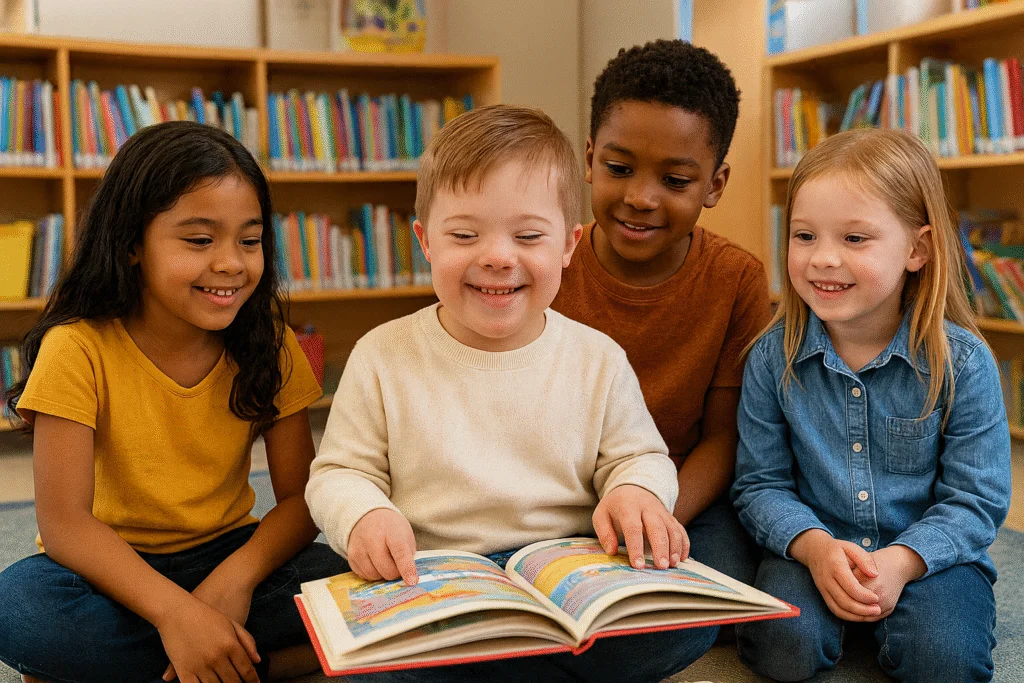
Stories are powerful tools that shape how children view the world. When a child opens a book, they don’t just meet new characters — they encounter new perspectives, emotions, and values. Among the most meaningful stories, children’s books about Down syndrome promote kindness, acceptance, and empathy for all.
Representation in children’s literature is more than inclusion — it’s a reflection of reality. Kids with Down syndrome deserve to see themselves as heroes, friends, explorers, and dreamers. And for children without disabilities, these stories open doors to understanding, compassion, and respect.
One of the most moving examples of this representation is Coley Bear’s Blue-Tastic Day! by Shelley Smith Adams — a heartfelt and humorous story inspired by her son. This delightful book doesn’t define Coley by his condition. Instead, it celebrates his joy, creativity, and the shared experiences that unite all children. Through Coley’s story, we’re reminded that laughter, messes, and imagination are universal languages of childhood.
Why Awareness Through Children’s Literature Matters
Awareness begins with understanding — and understanding starts with storytelling. A Down Syndrome Awareness Picture Book encourages empathy by showing that kids with Down syndrome experience the same adventures, challenges, and emotions as everyone else.
When young readers engage with these stories, they learn that differences don’t divide us — they enrich us. Books act as bridges between worlds, helping children view inclusion not as an obligation but as a natural part of life.
This is why it is more than just a playful narrative. It’s a book about Down syndrome that teaches kindness through humor and heart. As Coley joyfully paints himself blue, his family’s reaction — filled with patience and love — teaches readers that every moment, even the messy ones, can become a lesson in compassion.
The Role of Kindness and Acceptance in Early Learning
Early childhood is when empathy takes root. What children read influences how they act, feel, and treat others. Children’s books about Down syndrome introduce inclusion in a way that feels genuine and joyful. They show that friendship doesn’t need definitions — it only requires understanding.
When teachers and parents share books like Coley Bear’s Blue-Tastic Day!, they spark natural conversations about kindness and diversity. Kids don’t need long lessons on equality — a single heartfelt story can teach them everything they need to know about respect and love.
The story’s charm lies in its simplicity: Coley, curious and creative, makes a mess that most parents can relate to. His Down syndrome isn’t the focus — his personality is. This is exactly what makes Shelley Smith Adams’s message so powerful: her goal isn’t to highlight differences, but to show how every child is beautifully similar in spirit and joy.
The Beauty of Representation: Seeing Ourselves in Stories
Representation helps children feel seen. When a child with Down syndrome finds a character like themselves in a book, it sends a message that they belong — not just in stories, but in the world.
For parents and educators, reading children’s books provides more than awareness; it builds connection. These stories show the everyday experiences of families like theirs — laughter at breakfast tables, playtime adventures, and the occasional creative mess.
Shelley Smith Adams’s Coley Bear’s Blue-Tastic Day! captures that essence perfectly. Coley’s personality radiates through every page, reminding readers that all children, regardless of ability, share the same spark for exploration and love.
Inclusion in storytelling isn’t about making differences the focus. It’s about ensuring that every child can find themselves in the pages they turn.
A Deeper Look at “Coley Bear’s Blue-Tastic Day!” by Shelley Smith Adams
In Coley Bear’s Blue-Tastic Day!, Coley watches his favorite TV character painting and decides to join the fun. What begins as innocent curiosity quickly turns into a blue-tastic mess. By the time his mom and sister discover him, Coley has painted himself head to toe in his favorite blue color.
The brilliance of this story lies in its authenticity. Adams wrote this book not just as a mother but as an advocate for inclusion. She wanted parents, teachers, and children to see that kids with Down syndrome are just like any other child — playful, creative, and wonderfully unpredictable.
Through Coley’s misadventure, Adams offers more than entertainment. She provides a Down syndrome awareness storybook for kids that teaches through laughter and love. The story illustrates that joy is universal, messes are temporary, and acceptance is everlasting.
Why Kindness Begins with Reading
Stories that teach kindness are effective because they engage both the heart and the mind. When children read about compassion in action, they internalize those values.
Books like Coley Bear’s Blue-Tastic Day! do this beautifully. They remind readers that inclusion isn’t a grand gesture — it’s the small, everyday moments that show understanding. Sharing crayons, helping a classmate, or inviting someone new to play — these acts of kindness are where acceptance begins.
By introducing children’s books about Down syndrome early, families and schools can naturally foster empathy. These stories become a foundation for inclusivity, teaching that our shared humanity is stronger than any difference we may have.
How Parents and Teachers Can Use These Books
Whether at bedtime or in the classroom, inclusive books can be powerful teaching tools. Here’s how educators and parents can make the most of them:
1. Read Together and Reflect
After reading a story like Coley Bear’s Blue-Tastic Day!, ask questions:
- What do you think Coley was feeling?”
- “Why did his mom react with love instead of anger?”
- “What makes Coley special?”
These discussions encourage emotional awareness and empathy.
2. Connect Lessons to Real Life
Relate story moments to daily experiences. For example, if a classmate needs extra time or help, remind children how Coley’s family supported him with patience and love.
3. Encourage Creative Expression
Have children draw their own “Blue-Tastic” artwork after reading the story. Activities like this help reinforce the message that every child’s creativity and spirit deserve celebration.
The Power of Inclusive Storytelling in Modern Classrooms
Modern education is about more than academics — it’s about raising compassionate citizens. Including Down syndrome books in school libraries transforms how students think about diversity.
Teachers who introduce these books don’t just teach reading; they teach empathy. By normalizing differences in literature, educators help children understand that inclusion isn’t a special topic — it’s part of everyday life.
Shelley Smith Adams’s work perfectly aligns with this mission. Her storytelling invites teachers to use relatable, funny, and heartwarming examples to teach life lessons. Coley’s adventure isn’t a lecture about disability — it’s a joyful reminder that every child, regardless of ability, can make a colorful mark on the world.
For more guidance on using inclusive reading in the classroom, explore our blog, “Best Down Syndrome Books for Parents, Teachers, and Kids,” a comprehensive guide that offers curated selections and practical strategies for fostering awareness across all ages.
Choosing the Right Books for Awareness and Empathy
When selecting children’s books about Down syndrome, it’s important to choose those that reflect positivity, authenticity, and emotional warmth. The goal isn’t to educate about medical conditions, but to celebrate shared human experiences. Here’s what to look for:
Authenticity
Books written by parents or advocates, such as Shelley Smith Adams, provide genuine representation. They capture real emotions, challenges, and joys that resonate with readers of all backgrounds.
Emotional Connection
The best storybook about Down syndrome blends humor, love, and everyday family life. These stories connect on an emotional level rather than simply informing intellectually.
Visual Engagement
Illustrations matter — bright, expressive artwork helps young readers connect with characters. The lively blue scenes in Coley Bear’s Blue-Tastic Day! are perfect examples of imagery that delights while educating.
Positive Messaging
Choose stories that focus on capability, joy, and inclusion, rather than limitation. The best children’s books show kids doing ordinary things — laughing, playing, imagining, and growing.
The Lasting Impact of Reading for Awareness
When families share children’s books about Down syndrome, they do more than enjoy a bedtime story — they build lifelong values. These books teach acceptance in ways lectures never could.
Children begin to see that kindness isn’t about sympathy — it’s about seeing others as equals. They learn that love doesn’t need explanations, and that inclusion happens when we celebrate, not separate.
Shelley Smith Adams’s advocacy through Coley’s story demonstrates how awareness and joy can coexist in perfect harmony. Coley Bear’s Blue-Tastic Day! will make children laugh — and help them grow kinder in the process.
For those seeking more inspiring reads that promote inclusion and compassion, visit our companion blog, “Creating Awareness Through Reading: Ten Inspiring Books with Down Syndrome Characters That Everyone Should Read At Least Once.” It explores insights and ten inclusive stories that highlight diversity, creativity, and acceptance across generations.
Picture Books That Explain Down Syndrome to Kids
Visual storytelling plays a vital role in children’s learning. Picture books that explain Down syndrome to kids use colors, expressions, and relatable moments to make understanding easy and natural.
Through these books, children realize that differences don’t define who we are — our hearts, actions, and kindness do. When a child sees Coley smiling through his adventure, they don’t see a diagnosis; they see joy, imagination, and belonging.
Creating Awareness at Home and Beyond
Parents can make inclusion part of daily life by incorporating reading rituals that celebrate diversity. Keep a small collection of children’s books in your family library and revisit them often.
Encourage siblings to read together, discuss feelings, and create art inspired by the stories. These moments plant the seeds of empathy early and help children build emotional intelligence.
At home, awareness is taught not through lectures, but through shared experiences — laughter, reading, and love.
Why These Stories Matter More Than Ever
In an era where representation and empathy are crucial, children’s books about Down syndrome play a vital role in laying the foundation for a more compassionate world.
They show children that kindness is active, inclusion is beautiful, and friendship has no limits. Authors like Shelley Smith Adams are reshaping the landscape of children’s literature — proving that every story told from the heart can transform how we see one another.
These books are more than educational tools — they’re mirrors and windows: mirrors that help children see themselves, and windows that open to others’ worlds.
Final Thoughts
Kindness begins with awareness, and awareness with stories. Shelley Smith Adams’s Coley Bear’s Blue-Tastic Day! stands as a joyful reminder that inclusion doesn’t need to be taught — it can be felt through the simple act of reading together.
By sharing children’s books about Down syndrome, parents and teachers nurture empathy, celebrate individuality, and empower every child to see the beauty in difference.
Every blue-tastic adventure, every laugh shared, and every page turned builds a world where kindness and acceptance shine a little brighter
الأقسام
إقرأ المزيد
When it comes to building strong, durable, and long-lasting structures, choosing the right concrete contractor in Concord, CA is one of the most important decisions for any homeowner or business owner. Concrete work is not just about pouring cement—it is about precision, proper planning, soil understanding, and long-term durability. Whether you need a new driveway, foundation,...

"Key Drivers Impacting Executive Summary North America Industrial IoT Market Size and Share CAGR Value Data Bridge Market Research analyses that the North America industrial IoT market is expected to reach a value of USD 177,390.85 million by 2029, at a CAGR of 10.2% during the forecast period. "Sensors" accounts for the most prominent technology segment as this type of technology is...

"Regional Overview of Executive Summary Asia-Pacific Plant-Based Milk Market by Size and Share The Asia-Pacific plant-based milk size was valued at USD 10.91 billion in 2024 and is expected to reach USD 27.13 billion by 2032, at a CAGR of 12.2% during the forecast period. It is the necessity of this rapidly changing marketplace to adopt...

IVY Overseas is the "Top IELTS Coaching Institute in Hyderabad" we have trained more than 5000 students and we have experienced real-time trainers for more info call us. IELTS, the International English Language Testing System, is designed to assess the language ability of candidates who need to study or work where English is the language of communication. IELTS is jointly managed by the...

Hi88 VN is recognized as a reliable and user-friendly platform that provides official access to Hi88 services in Vietnam. It has been selected as the authorized representative website, offering a smooth, secure, and transparent experience for users who want to log in, register, or download the official app. With a strong focus on safety, convenience, and performance, hi88 VN...