What Is the Process of Company Formation in the UAE?
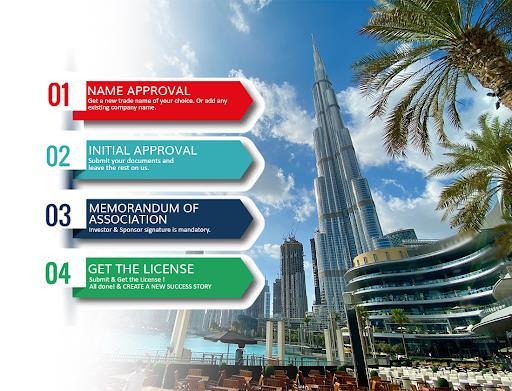
The United Arab Emirates (UAE) has become one of the most attractive destinations in the world for entrepreneurs, startups, and international corporations. Its strategic location, business-friendly regulations, tax advantages, and world-class infrastructure make it an ideal place to start and grow a business. Understanding the process of company formation in the UAE is essential for anyone planning to establish a presence in this dynamic market.
This article provides a complete, step-by-step guide to business setup services for UAE, covering legal structures, licensing, documentation, and post-setup requirements.
Understanding Company Formation in the UAE
Company formation in the UAE refers to the legal process of registering a business with the relevant government authorities. The process varies depending on the type of business activity, jurisdiction, and legal structure chosen. The UAE offers multiple options for business setup, making it flexible for both local and foreign investors.
Before starting the registration process, it is important to understand the three main business jurisdictions in the UAE:
-
Mainland
-
Free Zone
-
Offshore
Each jurisdiction has its own rules, benefits, and limitations, which directly affect ownership, taxation, and operational scope.
Step 1: Decide on the Business Activity
The first and most crucial step in company formation is selecting the business activity. The UAE allows thousands of licensed activities, including trading, manufacturing, professional services, consultancy, technology, healthcare, and tourism.
Your chosen activity determines:
-
The type of license required
-
The regulatory authority involved
-
Whether special approvals are needed
It is important to select the correct activity from the approved list to avoid legal or operational issues later.
Step 2: Choose the Jurisdiction (Mainland, Free Zone, or Offshore)
Selecting the right jurisdiction is a key decision in the company formation process.
Mainland Company
A mainland company allows you to operate anywhere in the UAE and work directly with government entities. Recent reforms allow 100% foreign ownership for most business activities, eliminating the need for a local sponsor in many cases.
Free Zone Company
Free zones are designated areas that offer benefits such as:
-
100% foreign ownership
-
Tax exemptions
-
Full profit repatriation
-
Simplified import and export procedures
However, free zone companies are usually restricted to operating within the free zone or internationally unless they appoint a local distributor.
Offshore Company
Offshore companies are mainly used for asset protection, international trading, and holding purposes. They cannot conduct business within the UAE market but offer confidentiality and tax efficiency.
Step 3: Select the Legal Structure
The legal structure defines how your business will operate legally and financially. Common legal structures in the UAE include:
-
Limited Liability Company (LLC)
-
Sole Establishment
-
Civil Company
-
Branch of a Foreign Company
-
Free Zone Company
Each structure has different ownership requirements, liability levels, and capital obligations. Choosing the correct structure ensures compliance with UAE commercial laws.
Step 4: Reserve the Trade Name
Once the business activity and legal structure are finalized, the next step is trade name reservation. The trade name must:
-
Be unique and not previously registered
-
Reflect the nature of the business
-
Avoid offensive or religious terms
-
Follow UAE naming conventions
The trade name is registered with the relevant authority, such as the Department of Economic Development (DED) for mainland companies or the respective free zone authority.
Step 5: Obtain Initial Approval
Initial approval indicates that the UAE authorities have no objection to you establishing the business. This approval allows you to proceed with the remaining steps of company formation.
At this stage, the authorities review:
-
Business activity
-
Shareholder details
-
Proposed company structure
Initial approval does not allow you to start business operations but confirms eligibility.
Step 6: Prepare Legal Documents
Document preparation is a vital part of the company formation process. Required documents typically include:
-
Passport copies of shareholders and directors
-
Visa copies (if applicable)
-
Memorandum of Association (MOA)
-
Articles of Association (AOA)
-
Board resolutions (for corporate shareholders)
Some documents may need notarization or attestation depending on the business structure and jurisdiction.
Step 7: Office Space and Address Registration
Most UAE companies are required to have a registered office address. The type of office space depends on the jurisdiction:
-
Mainland companies require a physical office with an Ejari or tenancy contract
-
Free zone companies may opt for flexi-desks, shared offices, or dedicated spaces
Office registration is mandatory to obtain the trade license.
Step 8: Obtain the Trade License
After completing documentation and office registration, the final step is obtaining the trade license. The license type depends on your business activity and may include:
-
Commercial License
-
Professional License
-
Industrial License
The trade license is issued by the DED for mainland companies or by the relevant free zone authority. Once issued, the company can legally begin operations.
Step 9: Open a Corporate Bank Account
Opening a Bank Account Opening in Dubai is essential for managing business finances. UAE banks require:
-
Trade license
-
Company incorporation documents
-
Shareholder identification
-
Business profile and source of funds
Banking compliance can be strict, so proper documentation and transparency are important for approval.
Step 10: Visa Processing and Immigration Setup
After company formation, business owners can apply for:
-
Investor visas
-
Employee visas
-
Family visas
Visa eligibility depends on office size and license type. Companies must also register with immigration and labor authorities.
Post-Formation Compliance Requirements
Company formation does not end with licensing. Businesses must comply with ongoing requirements such as:
-
License renewal
-
VAT registration (if applicable)
-
Accounting and bookkeeping
-
Economic Substance Regulations (ESR)
-
Corporate tax compliance
Failure to meet these obligations can result in penalties or license suspension.
Benefits of Company Formation in the UAE
Setting up a company in the UAE offers several advantages:
-
Strategic global location
-
Investor-friendly policies
-
World-class infrastructure
-
Political and economic stability
-
Growing access to international markets
These benefits make the UAE an ideal choice for long-term business growth.
Conclusion
The process of company formation in the UAE is structured, transparent, and investor-friendly. By carefully selecting the business activity, jurisdiction, and legal structure, entrepreneurs can establish a strong foundation for success. While the process involves multiple steps and regulatory requirements, proper planning and professional guidance can make company formation in the UAE smooth and efficient.
With the right approach, the UAE offers unmatched opportunities for businesses looking to expand regionally and globally.
Catégories
Lire la suite
"Market Trends Shaping Executive Summary Total Lab Automation Market Market Size and Share Data Bridge Market Research analyses a growth rate in the global total lab automation market in the forecast period 2022-2029. The expected CAGR of global total lab automation market is tend to be around 7.60% in the mentioned forecast period. A complete discussion about numerous market-related...

After a night of socializing and drinking, the body can experience dehydration, fatigue, headaches, and mental fog. These symptoms occur due to fluid loss, electrolyte imbalance, and nutrient depletion. To address these issues quickly and efficiently, IV therapy has emerged as a modern recovery solution. For individuals exploring effective recovery options like Hangover-IV in Dubai,...

Executive Summary Bio-Based Polyethylene Terephthalate (PET) Market Size and Share Forecast CAGR Value Global Bio-Based Polyethylene Terephthalate (PET) Market was valued at USD 3.42 billion in 2021 and is expected to reach USD 16.80 billion by 2029, registering a CAGR of 22.03% during the forecast period of 2022-2029. The Bio-Based Polyethylene Terephthalate (PET) Market report...

Glass photo frames are popular for displaying photographs, artwork, and certificates. They offer a clean, modern look and protect the contents from dust, moisture, and damage. Selecting the right glass photo frame requires attention to size, style, and functional features. Determine the Size and Orientation The first step in choosing a glass photo frame is to consider the size of the photo...
Dans le monde en constante évolution des cigarettes électroniques jetables, la gamme RandM Tornado s’impose comme une référence incontournable. Que vous soyez un vapoteur débutant ou expérimenté, les produits randm, aussi connus sous les appellations r and m tornado, puff randm ou encore puff randm tornado, offrent une expérience...