Why Property Developers Rely on Slate Roof Tiles for Design Integrity and Durability
For property developers, choosing materials that align with both long-term performance and design goals is critical. Every element, from foundation to finish, must serve not only today’s buyer expectations but also future-proof the structure. Roofing plays a vital role in this equation. It’s not just about shelter; it’s about style, structure, and lasting value. That’s where slate roof tiles come in.
Natural slate has earned its reputation as one of the most reliable and aesthetically versatile roofing options on the market. Across residential and mixed-use developments, property developers continue to specify slate to meet the highest standards in architecture and construction.
The Intersection of Aesthetics and Performance
One of Slate’s most compelling features is its ability to satisfy both form and function. Unlike synthetic products that imitate traditional roofing, real slate offers authenticity that cannot be replicated. Each tile is split from natural stone, resulting in a surface texture and color variation that adds depth, dimension, and architectural interest.
Designers have access to a wide range of colors, black, grey, green, purple, and multi-toned blends, giving them creative freedom to match or elevate any building style from modern custom homes to traditional townhomes; slate blends seamlessly with various architectural expressions.
While it delivers elegance, slate also provides exceptional performance. It is inherently resistant to fire, moisture, wind, and ultraviolet exposure. This dual appeal is why slate roof tiles continue to be a go-to material in premium developments that value visual impact and lasting quality.
Longevity That Supports the Bottom Line
For developers, cost is always a consideration, but so is the total lifecycle of a material. Slate’s high initial investment is offset by its long-term value. With proper installation, a slate roof can last 75 to 100 years or more. That means no replacement cycles every 20–30 years, as is common with asphalt shingles or many synthetic materials.
This longevity not only saves future owners significant maintenance and repair costs but also supports a developer’s reputation for building with integrity. A development known for using quality materials gains credibility, trust, and potentially higher resale value. In competitive markets, that distinction can make all the difference.
In regions where climate plays a factor, like the Mid Atlantic, where seasonal swings are common, slate performs reliably year after year. The slate roof tiles Maryland builders rely on have proven their worth under rain, snow, hail, and heat, maintaining their integrity long after other materials begin to fail.
Trusted in Challenging Environments
Slate’s performance in demanding environments is another reason developers continue to specify it. Natural slate is dense and nearly impermeable, which helps prevent water absorption and related issues like rot, mould, or freeze-thaw cracking. Its high wind resistance is critical in areas prone to storms or high elevation developments.
This is especially valuable for multi-unit projects or custom homes where long-term maintenance costs are a concern. A durable roof means fewer callbacks to service or replacing components after move-in. That level of reliability reinforces the developer’s brand and reduces warranty exposure over time.
Many contractors working with slate roof tiles in Maryland, and similar climates, point to slate’s low failure rate as one of its biggest advantages. It’s not uncommon for original slate roofs on century-old homes to still be performing well today, something no synthetic product can claim.
Why Developers Choose Slate Roof Tiles in Maryland and Beyond
Maryland’s architectural landscape includes a blend of historic preservation areas, luxury custom homes, and new urban developments. In all of these settings, developers are increasingly drawn to the performance and visual quality that slate delivers. Whether it’s a high-end estate in Bethesda or a boutique infill project in Baltimore, slate fits.
Slate roof tiles often support local zoning or preservation requirements, particularly in heritage neighbourhoods. But beyond code compliance, the material aligns with the design values of developers seeking permanence, craftsmanship, and distinction.
A similar phrasing, ‘natural stone roofing Maryland’, is often used by architects and designers when emphasising the material’s structural and aesthetic contributions to the building envelope.
Developers who want to deliver homes or build buildings that stand apart and stand the test of time recognise slate as a top-tier choice.
Installation Considerations and Craftsmanship
Installing slate isn’t like installing asphalt shingles. It requires skilled labour, precision, and planning. Each tile is hand-laid, and the roof structure must be engineered to support the weight. While that means higher upfront labour costs, it also ensures that the roof is customised for maximum performance.
Reputable slate suppliers provide not only the raw material but also guidance on proper flashing, underlayment, and fasteners, ensuring a cohesive and watertight system. For developers working with contractors experienced in slate, the results are consistently reliable and visually stunning.
The learning curve for slate is higher, but the reward is a roofing system that can truly be considered permanent. That level of craftsmanship adds long-term value to the property and sends a strong message about the quality of the entire development.
Sustainability and Environmental Impact
Slate is also an excellent choice for sustainability-focused developers. It is a 100% natural product that requires minimal processing and contains no chemical additives. The energy required to extract and shape slate is far lower than the energy used to manufacture asphalt, metal, or plastic-based roofing.
Because slate lasts a century or more, it significantly reduces waste and the need for re-roofing. Many slate tiles can also be reused or reclaimed, making it one of the few truly circular building materials.
This low environmental impact and exceptional lifespan make slate a strong contender in projects pursuing LEED certification or other green building standards. For developers building with an eye on the future, this aligns with growing buyer preferences for sustainable, high-performance materials.
Conclusion
Property developers need materials that work just as hard as the design does. Slate roof tiles provide a rare combination of visual elegance, structural resilience, and long-term economic value. In high-end residential, historic restoration, and mixed-use projects alike, slate delivers performance that supports both the physical integrity of the building and the credibility of the developer.
Whether specified for its century-long durability, resistance to harsh weather, or architectural beauty, slate remains one of the most reliable choices in modern construction. The slate roofof titles Maryland developers continue to choose are more than just a material decision; they’re a reflection of thoughtful design and a commitment to building with longevity in mind.
Categorie
Leggi tutto
Executive Summary North America Optical Films Market : Data Bridge Market Research analyses that the optical films market will exhibit a CAGR of 8.70% for the forecast period of 2022-2029. The high quality North America Optical Films Market report not only takes into consideration all the market drivers and restraints which are derived from SWOT analysis but also gives all the CAGR...

The Global dental chairs market is demonstrating steady growth, driven by the rising global prevalence of dental disorders, increasing demand for advanced cosmetic dentistry, and technological advancements in dental care delivery. Dental chairs are specialized medical devices designed to support patients during dental examinations and procedures while providing dentists with ergonomic...
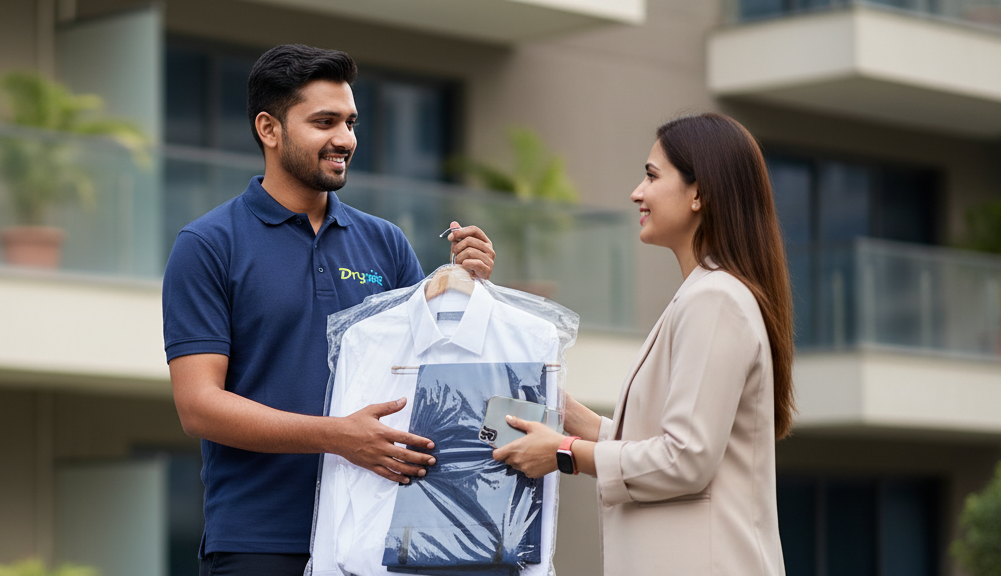
Reliable Laundry and Dry Cleaning Services in Noida Extension Life in Noida Extension moves quickly, with packed workdays, family duties, and not much time for everyday tasks. Doing laundry often takes up a lot of time and gets put off. To make things easier, more people are choosing professional cleaning services. DryPure offers dependable solutions for those who need quality laundry and...
An aluminium fridge box slideout is commonly used in off-road vehicles, caravans, and camper vans to improve access to portable refrigerators. Choosing the right slideout requires consideration of functionality, compatibility, and long-term use conditions. Load Capacity and Size Compatibility The first factor to consider is load capacity. The slideout should support the combined weight of...
"Executive Summary Swine Respiratory Diseases Treatment Market: Share, Size & Strategic Insights The global swine respiratory diseases treatment market size was valued at USD 2.37 billion in 2024 and is expected to reach USD 3.87 billion by 2032, at a CAGR of 6.30% during the forecast period Swine Respiratory Diseases Treatment Market report is...