


ePTW Software System: The Hidden Risk of Treating Work Permits as Formalities
ePTW Software System: The Hidden Risk of Treating Work Permits as Formalities
Granting permission for hazardous tasks should never be treated as a routine formality or reduced to a simple signature. Every approval carries weight. It represents a deliberate judgment about whether work will proceed within safe limits or whether it could expose people, equipment, and operations to unnecessary danger. The true purpose of a Permit-to-Work (PTW) system is not administrative compliance—it is prevention. When applied correctly, it acts as a protective boundary that separates controlled activity from unacceptable risk. Digital PTW solutions reinforce this purpose by replacing disconnected and inconsistent practices with a unified and dependable framework. Instead of relying on paper forms, email exchanges, spreadsheets, or verbal updates, the entire process takes place within a secure, centralized system. From the first request to the final closure, every element remains connected, strengthening accountability, visibility, and consistency.
At its core, the PTW process introduces a deliberate interruption before high-risk work begins. This pause is intentional and essential. It gives teams time to examine potential hazards, confirm protective measures, and clearly assign responsibility. Tasks such as hot work, confined space entry, electrical isolation, excavation, and working at height demand careful preparation because conditions can shift quickly, and even small mistakes can have serious consequences. By enforcing a structured review, the PTW system ensures decisions are based on preparation rather than assumptions or time pressure.
Digital platforms strengthen this approach by embedding clear structure into every stage. Instead of relying on loosely completed paperwork or inconsistent supervision, users follow a defined sequence that ensures nothing important is skipped. Mandatory fields require critical details to be recorded, safety measures to be clearly outlined, and responsibilities to be formally assigned. Only authorized and qualified individuals can request, review, approve, supervise, or close permits. This organized approach removes uncertainty and ensures everyone involved shares the same understanding of the work and its safety requirements.
Traditional paper-based systems often struggle in environments where operations are complex and constantly changing. When work spans multiple shifts, locations, or contractor teams, manual methods expose their limitations. Documents may go missing, handwriting may be misread, and approvals may be delayed. It can also become difficult to determine which version of a permit is current. When supporting information like risk assessments, drawings, or images is stored separately, the overall picture becomes fragmented. These gaps increase the risk that essential precautions may be overlooked.
A digital PTW system eliminates these weaknesses by creating a single, reliable source of truth. All relevant information—including the job scope, hazard identification, approvals, attachments, and closure records—is stored together in one continuous file. Every action is automatically recorded with a timestamp, creating a clear history of who did what and when. Real-time dashboards provide immediate awareness of permit status, whether active, pending, suspended, or completed. Safety teams can monitor ongoing work as it happens, and leadership can easily review decisions, conditions, and approval sequences.
Modern digital systems also provide standardized permit templates designed for common high-risk activities. These templates can be customized to match site-specific needs, using configurable questions, approval steps, and validation checks. Users are guided to confirm isolations, identify hazards, and verify protective equipment, reducing the likelihood of missing critical controls. Automated workflows send permits to the right people for review without delays. Improved visibility across shifts and locations strengthens communication during handovers, while detailed records support audits and improve transparency—especially when connected with broader safety management systems.
Within a digital platform, the full permit lifecycle becomes organized and transparent. It begins when the job owner defines the work, location, hazards, and safety measures, supported by necessary documentation. Reviews follow in sequence to confirm that risks have been properly assessed and controls are sufficient. Before work starts, checks confirm readiness, competence, and proper briefing. If conditions change, permits can be updated, paused, or extended to reflect the new situation. Once the job is complete, formal closure verifies that systems are restored, isolations are removed, and lessons are captured for future improvement.
For organizations still using paper permits or email-based approvals, transitioning gradually to digital systems is often the most practical approach. Starting with common permit types and expanding over time allows teams to adjust smoothly. As digital processes become part of daily routines, safer habits naturally develop. Over time, the PTW system evolves from a procedural requirement into a dependable safeguard that actively protects people and operations from preventable harm.
Explore the workflow here → https://toolkitx.com/campaign/permit-to-work/
Κατηγορίες
Διαβάζω περισσότερα
Bangles have been a cherished part of Indian culture and fashion for generations. These beautiful accessories not only enhance a woman's appearance but also symbolize tradition, elegance, and cultural heritage. Whether worn at weddings, festivals, family functions, or everyday occasions, bangles remain one of the most demanded fashion accessories across India. As fashion trends continue to...

Search engines are no longer limited to displaying a list of blue links. Today, people are increasingly using AI-powered platforms to find answers, compare services, and make buying decisions. Tools like ChatGPT, Google AI Overviews, Gemini, and Perplexity are transforming the way users discover information online. This shift means businesses need to rethink their digital marketing strategies....

The idea of owning a business feels exciting until the reality of risk, time, and uncertainty enters the picture. What most serious buyers actually want is not just ownership, but a clear path to income that starts working quickly and does not drain energy or capital unnecessarily. That is where the ability to find a business to buy that is already stable becomes the foundation of a smarter...

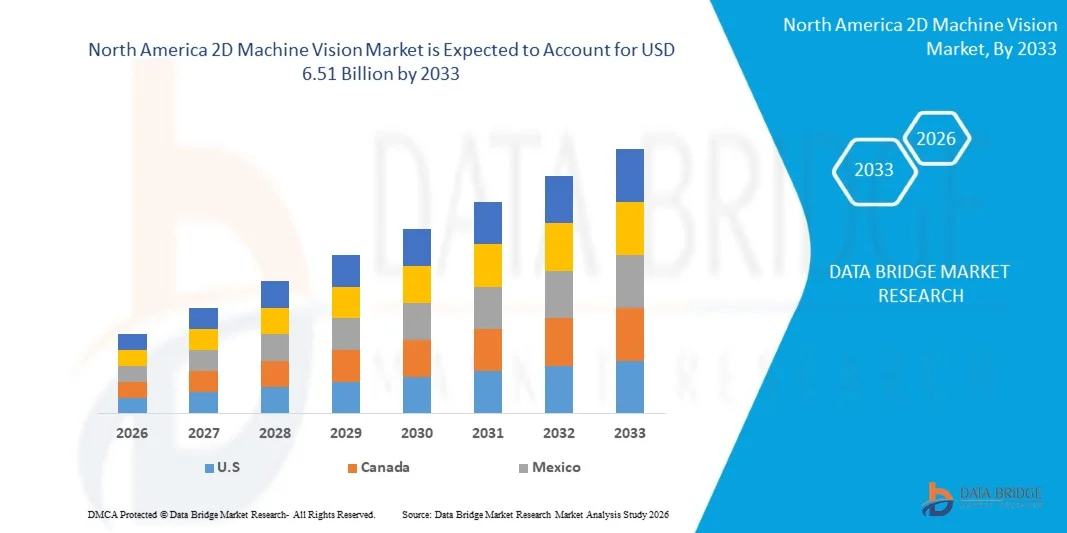
"North America 2D Machine Vision Market Summary: According to the latest report published by Data Bridge Market Research, the North America 2D Machine Vision Market The North America 2D Machine Vision Market size was valued at USD 3.27 billion in 2025 and is expected to reach USD 6.51 billion by 2033, at a CAGR of 9.0% during the forecast period The...
Maintaining a healthy body weight is important for overall wellness, confidence, and long-term fitness. In today’s busy world, many people struggle with unhealthy eating habits, stress, poor sleep, and lack of exercise. These everyday challenges can make it difficult to stay active and maintain balance. Healthy weight loss is not about extreme dieting or avoiding food completely....
