Why Are Fastener Specialties Critical for High-Precision Industries?
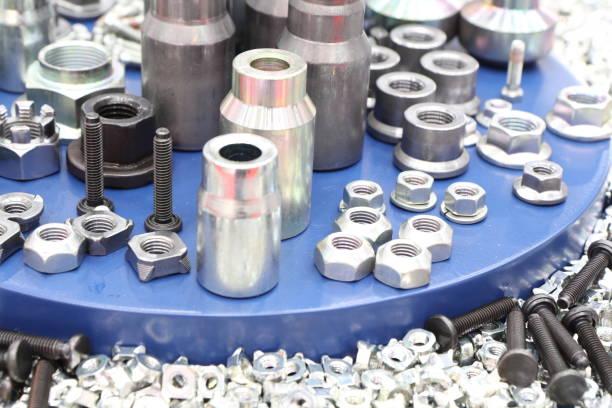
You probably don’t think much about screws, bolts, and tiny fasteners, right? Until something breaks. Then suddenly, every little piece matters. And in high-precision industries, aircraft, medical devices, robotics, electronics, those tiny pieces aren’t small at all. They’re everything. This is where fastener specialties manufacturing comes into play. Not just any bolt will do. You need parts built for exact tolerances, crazy environments, and long-term reliability. Screw up here, and the consequences aren’t just money, they can be life or death.
It sounds obvious, but a lot of companies still underestimate it. Standard hardware just won’t cut it. A specialty fastener isn’t just stronger. It’s predictable, tested, and designed for its role. Every vibration, every torque calculation, every environmental factor, these fasteners are engineered for all of it. And yes, getting them wrong can ruin a project before it even starts.
What Sets Specialty Fasteners Apart?
It’s not just size. It’s materials, coatings, threads, and heat treatment. Its tolerances are tighter than a hair. Standard bolts? They’re fine for furniture, maybe a car. But aerospace? Surgical tools? Forget it. Specialty fasteners are built to survive heat, cold, corrosion, and abuse. Some get extra coatings. Some are made from alloys you’ve never even heard of. And every millimeter matters. You’re talking tolerances in thousandths of an inch. A normal factory line can’t do this consistently.
These fasteners don’t just hold things together, they make systems function properly. You want a part that loosens in a jet engine? Didn’t think so. One failure, and your whole system is toast.
Why Materials Are Everything
People think “steel is steel.” Nope. Wrong. Materials are everything. Aerospace parts expand and contract under heat. Marine applications face corrosion. Medical implants need to avoid allergic reactions. Fastener specialists know this stuff like the back of their hand. They pick the right alloy, coating, or treatment, so the part behaves exactly as needed. One wrong choice, and it’s a disaster waiting to happen.
Custom Is Common
If you’re working in high-precision industries, “off-the-shelf” isn’t your friend. You’ll need custom threads, micro components, and special finishes. That’s exactly where specialty manufacturers shine. They’ll design, test, tweak, and build. And sometimes, they do it in tiny batches because volume isn’t the point, precision is. It’s not glamorous. But it works.
Cutting Corners Isn’t Worth It
Some companies try to save a few bucks by skimping on fasteners. Big mistake. You might save $50 today. Lose thousands tomorrow, or millions. Or worse, someone gets hurt. Investing in fastener specialties manufacturing is just smarter. It’s not cheap, but neither is failure.
Quality Control Is Hardcore
These manufacturers don’t mess around. Every part goes under the microscope. Torque, strength, threading, coating thickness, it all gets checked. And sometimes, individual inspection is necessary. In high-stakes industries, even a tiny deviation can ruin a machine or worse. Standard mass production doesn’t cut it. Quality control here isn’t optional. It’s survival.
Innovation Drives Reliability
Fastener manufacturing isn’t static. They innovate constantly. CNC machines cut parts with crazy precision. Coatings resist corrosion, heat, and wear. Materials evolve, titanium, specialty stainless, composites. One decade ago, some designs weren’t even possible. Today they’re standard. High-precision industries can’t rely on “good enough.” They need fasteners that evolve with their tech.
Working With Engineers
Specialty manufacturers don’t just make parts, they work with engineers from day one. They give feedback on designs, suggest better materials, and offer prototyping. This isn’t assembly-line thinking. It’s problem-solving at a microscopic level. And it makes the final system far more reliable.
Turned Parts Make a Difference
Many high-precision systems also rely on turned components. A turned parts manufacturer can produce complex shapes that stamping or casting can’t touch. Combine these precision parts with custom fasteners, and you get systems that work the way they’re supposed to, every time. Screw this up, and nothing fits right. Literally nothing.
Who Really Needs Specialty Fasteners?
Pretty much anyone working where failure isn’t acceptable. Aerospace, medical, robotics, high-end electronics, and even automotive. Jet engines? Pacemakers? Surgical tools? Tiny specialty fasteners are keeping them together. Electronics? Even smartphones use them. These parts are small but critical. Don’t underestimate them.
Conclusion
Look, fasteners might seem tiny and insignificant. But in high-precision industries, they’re the backbone. Fastener specialties manufacturing ensures every part does its job, exactly, reliably, every single time. Without it, systems fail. A skilled turned parts manufacturer plays a huge role in this process, delivering components with tight tolerances and consistent quality. Turned parts, custom threads, material science, and quality control, they all matter. The takeaway: don’t ignore the small stuff. It’s the stuff that keeps everything else from falling apart.
Categorias
Leia Mais
If you are suffering from ear pain, nasal blockage, sore throat, or hearing problems, consulting the best ENT specialist in Lahore is the right step toward recovery. ENT problems can affect your daily life, sleep, communication, and overall health, so timely treatment is very important. A qualified ent specialist provides complete diagnosis and treatment for ear, nose, and throat conditions....

Executive Summary Tasigna Market Opportunities by Size and Share Tasigna market is expected to gain market growth in the forecast period of 2021-2028. Data Bridge Market Research analyses the market to account to grow at a CAGR of 7.0% in the above mentioned forecast period. An international Tasigna Market report lends a hand to identify how the market is going to perform in the...

It feels more relatable than highly produced content, especially at weddings. Of all the aromas worth cozying up to, we sniffed a bunch to curate this edit. Lawrence served up another mix matched ensemble we ca help but want to replicate. Playing with a print that is seeing serious traction in her off duty lineup, she styled a leopard with her favorite wide leg trousers from. had a distinct...

The Wall Decor Market is experiencing notable growth as consumers increasingly focus on enhancing the visual appeal and functionality of interior spaces. Wall decor has become a key element of modern interior design, offering an affordable and creative way to personalize homes, offices, and commercial establishments. From wall art and wallpapers to murals, decals, mirrors, and metal...

Urgent care centers have become a vital part of the U.S. healthcare system, providing quick treatment for non-life-threatening conditions without the long wait times of emergency rooms. However, while patient demand continues to grow, the complexity of billing and insurance processing has also increased. Managing coding updates, payer requirements, claim submissions, and denials can...