How Cafeteria Plans Support Employee Health Without Increasing Employer Costs

Most employers want to offer strong health benefits. That part’s easy. The hard part is paying for them. Premiums keep climbing, expectations keep rising, and suddenly the budget meeting gets tense. You want to support your team, but you’re not running a charity. This is where a cafeteria health plan starts to make real sense. Not because it’s trendy. Not because consultants hype it up. But it gives employees flexibility while keeping employer costs predictable. It’s structured, practical, and honestly, kind of underrated. When done right, it supports employee health without forcing the company to spend more than it already has planned.
What a Cafeteria Health Plan Really Means
Despite the name, no one’s lining up with trays. A cafeteria health plan is simply a benefit structure that lets employees choose from a menu of options instead of being locked into one rigid package. The employer decides how much money to contribute. That number stays controlled. Employees then allocate those funds toward the benefits that fit their lives — medical coverage, dental, vision, flexible spending accounts, dependent care, and sometimes wellness options. The key difference is choice. Instead of one-size-fits-all, it becomes employee-driven within a fixed employer contribution. It operates under Section 125 tax rules, which allow certain benefits to be paid with pre-tax dollars. That tax structure is where the financial efficiency really kicks in.
How Employers Keep Spending Stable
Here’s the blunt truth. Employers don’t increase costs with this setup because they don’t have to. The company sets a defined contribution amount per employee and sticks to it. That’s the ceiling. What changes is how employees distribute those funds and how payroll taxes are handled. When employees contribute to benefits on a pre-tax basis, taxable payroll decreases. Lower taxable payroll means lower FICA obligations for the employer. Over time, those payroll tax savings can offset administrative expenses tied to managing the plan. Sometimes the savings are modest. Sometimes they’re surprisingly noticeable, especially with larger teams. But the main point stays consistent — the employer controls the budget from day one.
Why Employees Actually Feel the Difference
Benefits aren’t just numbers on a spreadsheet. They’re personal. A single 25-year-old employee doesn’t need the same setup as someone with a spouse and two kids. Forcing both into the same benefit structure usually leaves someone overpaying for coverage they don’t use. With a cafeteria-style benefits model, employees feel ownership. They choose. That small shift changes perception in a big way. Instead of “this is what the company picked for you,” it becomes “here’s your allowance, build what works.” That autonomy builds goodwill. It also increases participation, because people are more likely to use the benefits they selected themselves. It’s not dramatic. But it’s real.
The Tax Mechanics That Make It Work
Section 125 plans allow employees to pay for qualified benefits before federal income and payroll taxes are calculated. That lowers taxable income for the employee and reduces payroll tax liability for the employer. It’s not a loophole. It’s built into the tax code. If an employee contributes several thousand dollars annually through pre-tax deductions, that amount is excluded from payroll tax calculations. Multiply that across dozens or hundreds of employees, and the employer’s total payroll tax burden drops. The company hasn’t increased its benefit contribution. It’s simply structured to plan more efficiently. Compliance matters, of course. Documentation, nondiscrimination testing, proper administration — all of that has to be handled correctly. But once it’s in place, it operates smoothly in the background.
Supporting Preventive Care Without Adding New Expenses
When employees can use pre-tax dollars for eligible healthcare expenses, they’re more likely to stay proactive. Dental cleanings don’t get postponed. Vision exams happen on time. Preventive screenings feel more affordable. That kind of behaviour reduces the likelihood of bigger, more expensive issues down the road. No, it’s not a guarantee that claims drop overnight. But over time, encouraging preventive care helps stabilise overall healthcare utilisation. And since the employer’s base contribution hasn’t increased, the company isn’t taking on additional financial risk to promote healthier habits. It’s the same dollars, just used in a smarter framework.
Administrative Simplicity Is Better Than Most Assume
Some employers hesitate because they assume cafeteria benefit plans are complicated. Years ago, maybe that was true. Today, most payroll systems and benefits administrators already support this structure. Enrollment happens during open enrollment periods. Elections are documented. Deductions run automatically. Reports are generated with the rest of the payroll data. Once set up properly, it’s not an administrative nightmare. In many cases, it actually simplifies HR conversations. Instead of defending why one rigid plan exists, HR explains the allowance and the options. That conversation is easier. Cleaner. Less defensive.
Where a Section 125 Wellness Plan Fits In
A Section 125 wellness plan builds on the same foundation by allowing certain wellness-related benefits to be paid pre-tax when structured correctly. That might include preventive services or qualified wellness programs. The principle doesn’t change. Reduce taxable income, lower payroll tax exposure, expand flexibility. Employers who want to promote healthier behaviour without raising benefit budgets often use this structure as an extension of their cafeteria health plan. It’s not about adding cost. It’s about optimising tax treatment and benefit design so the existing budget stretches further.
Recruiting and Retention Without Raising Salaries
Let’s be honest, salary budgets aren’t endless. But candidates compare benefit flexibility more than companies realise. When someone sees they can tailor their coverage instead of being boxed into one preset package, that stands out. It feels modern. It feels adaptable. For current employees, flexibility matters even more as life changes. Marriage. Kids. Aging parents. Vision needs. Dental work. A flexible structure evolves with them. That reduces frustration and quiet resentment over time. Retention improves not because the company spent more, but because it designed better. And replacing employees is expensive. So avoiding turnover is its own cost control strategy.
Conclusion: Smarter Structure Beats Bigger Spending
Supporting employee health doesn’t automatically mean increasing employer costs. It means being intentional about structure. A cafeteria health plan works because it combines predictable employer contributions with tax efficiency and employee choice. It leverages Section 125 rules to reduce payroll taxes while expanding flexibility. It encourages preventive care. It improves satisfaction. And it does all of that without demanding a larger benefits budget. In a business environment where every dollar gets examined twice, that kind of efficiency isn’t just helpful. It’s necessary. Sometimes the smartest move isn’t spending more. It’s designed better.
الأقسام
إقرأ المزيد
Many small businesses have to put in a lot of effort from day to day. Despite all this, people sometimes still cannot locate them online. That is exactly why it is helpful to have an SEO Consultant Sunshine Coast to help you out. Some thought if you were to put in an effort people would come looking. Then came months that passed without too many site visitors. The website gradually showed up in...

Unveiling the Loro Piana Hoodie Loro Piana Hoodie captures Italian luxury in casual form. This brand started in 1924 with fine yarns. They gather cashmere from Mongolian herds. Wool sources include Australian merinos. Blends make soft, strong items. Breia style mixes cashmere and Wish wool. Wish wool is a top merino kind. It adds toughness lightly. Perfect for leisure or trips. Layer with Loro...

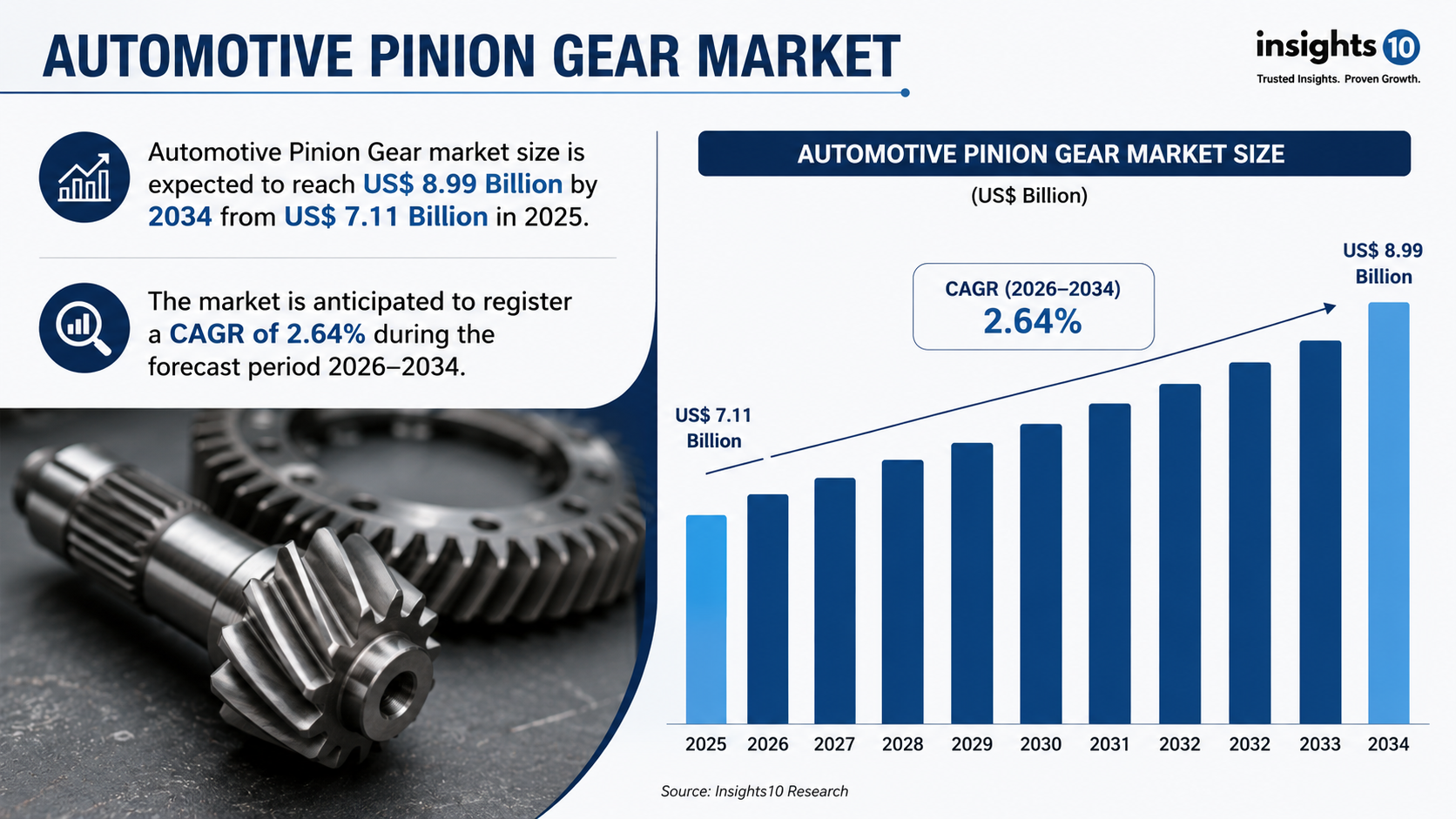
The automotive industry is undergoing a significant transformation driven by the demand for higher vehicle efficiency and improved performance. At the heart of vehicle drivetrain and steering systems lies the automotive pinion gear, a critical component that facilitates power transmission and directional control. The automotive pinion gear market size is expected to reach US$ 8.99...
Easy and Trusted Salesforce AP-223 Exam Prep for Fast Results Many students feel confused before Salesforce AP-223 exams. They study many books but still feel unsure. This wastes time and energy. Good CPQ and Billing Consultant Accredited Professional certification exam preparation material helps fix this problem in a simple way. It keeps your study clear and focused...

Interactive Brokers has introduced Coinbase-issued nano Bitcoin and Ether futures contracts, broadening its crypto derivatives offering and giving eligible clients greater access to regulated cryptocurrency exposure directly through its trading platform. These new futures products are designed to make it easier for traders to manage digital-asset risk and participate in crypto markets alongside...