How Professional Paint Brushes Improve Finish Quality
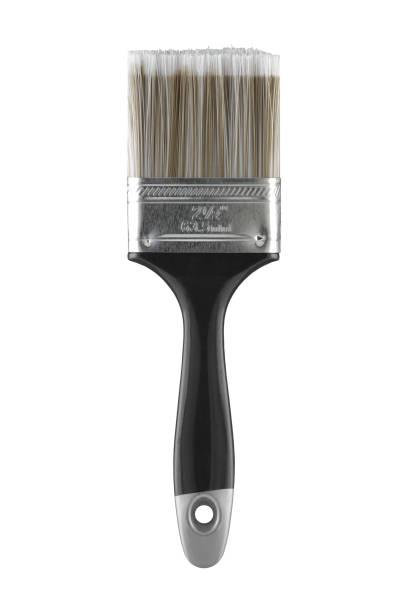
Painting looks easy from a distance. Dip, wipe, drag the brush across the wall. Done. But anyone who’s actually spent a full Saturday repainting a room knows better. The difference between “that looks fine” and “wow, that’s clean” usually comes down to tools. And yeah, that includes your brush. I’ve seen guys try to cut in trim work with cheap bristles that splay out like a bad haircut. Doesn’t end well. A good brush — especially something like 1 ½ inch paint brushes gives you control right away. You feel it in the first stroke. It’s not hype. It’s physics and materials doing their job.
Why Brush Quality Shows Up in the Final Finish
A professional paintbrush holds more paint. That’s the first thing people notice. Not because it’s bulky, but because the bristles are designed to absorb and release paint evenly. Cheap brushes dump paint in patches. One stroke is thick, the next is dry. That’s how you end up with lap marks and weird streaks that only show once the light hits the wall at an angle.
With a quality brush, the bristles flex but snap back. They don’t fan out wildly. That control matters when you’re cutting along ceilings or around window frames. You can get a crisp line without taping everything like you’re wrapping a Christmas gift. The finish ends up smoother because the paint lies down evenly. No ridges. No heavy edges. Just a consistent coat that levels out as it dries.
It’s not magic. It’s a better construction. Flagged bristle tips, solid ferrules, balanced handles. Small details. Big difference.
Control and Precision Make or Break the Job
Most DIY paint jobs fall apart at the edges. The big open wall area? Easy. It’s the corners and trim where things get messy. This is where professional brushes really earn their keep. The shape — angled sash brushes, tapered bristles — lets you guide paint exactly where it needs to go.
When you’re using something like 1 ½ inch paint brushes, the size hits that sweet spot. Wide enough to carry paint efficiently, narrow enough to stay precise. You’re not fighting the brush. You’re guiding it. And that means fewer touch-ups later. Less frustration, too.
Cheap brushes feel stiff or overly floppy. Both are problems. Too stiff and you’re dragging lines into semi-dry paint. Too soft and you can’t keep a straight edge. A professional-grade brush finds that middle ground. It responds to pressure. You press lightly for thin coverage, lean in a bit for more. Simple. But it matters.
Better Bristles, Better Paint Distribution
Let’s talk bristles for a second. Natural bristles work well with oil-based paints because they hold more paint and create a smooth flow. Synthetic bristles — nylon or polyester blends — are usually better for water-based paints. They don’t absorb water and go limp halfway through the job.
Professional brushes use carefully engineered bristle blends. They’re designed to release paint gradually instead of dumping it all at once. That gradual release is what prevents brush marks. It helps the paint level itself. You won’t see heavy start-and-stop lines across your wall.
And here’s the thing most people overlook: bristle tips are flagged, meaning they split at the ends. That increases surface area. More coverage, smoother finish. Cheap brushes skip that detail. The result? Streaks and uneven texture that scream “DIY.”
Durability Affects Finish More Than You Think
You might think durability is just about saving money long term. It’s not. It affects the quality of your work right now.
Low-quality brushes shed bristles. Ever had to pick stray hairs out of wet paint? It’s annoying. Worse, it leaves marks when you try to fix it. Professional paint brushes are built to hold their shape and keep bristles secure. That means fewer interruptions. A steady rhythm.
When your brush maintains its edge, especially during detailed work, your lines stay sharp. If the bristles start bending outward halfway through the project, your finish quality drops instantly. A professional brush stays consistent from first dip to final stroke. Consistency is everything in painting.
Efficiency Impacts the Overall Look
This one surprises people. A better brush makes you faster. Not reckless-fast. Smooth-fast. You reload less often because it holds more paint. You don’t need as many passes over the same area because coverage is stronger.
That efficiency reduces overworking the paint. And overworking is what causes texture issues and roller-like ridges from a brush. When you keep brushing back over semi-dry paint, you break the levelling process. The surface gets tacky and uneven.
A professional brush helps you apply paint once and move on. Fewer strokes. Cleaner finish. It’s subtle, but it shows when the job is done.
The Role of Brush Size in Finish Quality
Size isn’t random. It changes how paint flows onto the surface. A small brush forces you to overlap strokes more often. That increases the chance of uneven layering. Too big, and you lose control in tight areas.
That’s why 1 ½ inch paint brushes are popular for trim, cabinets, doors, and detail work. They’re versatile. You can edge a ceiling with them, but also handle narrow mouldings without switching tools every five minutes. The balance of coverage and precision improves the overall finish. You’re not compromising in one area to fix another.
Using the right size brush reduces drag marks and buildup in corners. It keeps paint from pooling where it shouldn’t. That alone can elevate the final look from average to professional-grade.
Even Small Jobs Benefit from the Right Brush
Some people grab a chip paint brush for quick touch-ups or small projects. And sure, it has its place. It’s cheap. Disposable. Good for glue or rough applications. But if you’re aiming for a clean, smooth painted surface — even on a small repair — upgrading from a basic chip paint brush to a professional-grade option makes a visible difference. The bristle density, the edge control, the way paint spreads… it all shows up in the final result. Even on a two-foot patch.
Long-Term Finish Quality and Maintenance
Here’s something people don’t talk about enough. A smoother finish isn’t just about looks today. It holds up better over time. When paint is applied evenly, it cures evenly. No thick ridges are drying at different speeds. No weak thin spots are wearing out faster.
Professional paint brushes help create that uniform layer. That means better durability. Less peeling. Less premature fading on trim or doors that see a lot of contact. The quality of the application affects the lifespan of the paint job itself. It’s not just cosmetic. It’s structural in a small way.
Conclusion
At the end of the day, paint is only as good as how it’s applied. You can buy premium paint, prep like a pro, and tape every edge perfectly. But if your brush is shedding bristles and leaving streaks, the finish suffers. Professional paint brushes aren’t about brand snobbery. They’re about control, consistency, and clean results. Tools matter. Especially in detail work.
And honestly, once you use a well-made brush — something balanced, responsive, like solid 1 ½ inch paint brushes for trim — it’s hard to go back. The strokes feel smoother. The lines come out sharper. The finish just looks right. Not flashy. Just right. And that’s what good painting is supposed to look like.
الأقسام
إقرأ المزيد
Introduction to Outlook Duplicate Remover Software If you’re an Outlook user, chances are you’ve faced the nuisance of duplicate emails, contacts, or calendar entries cluttering your workspace. It’s a common problem that can lead to confusion and wasted time. Fortunately, there’s a solution: free Outlook Duplicate Remover Software. This handy tool is designed to...

Understanding SAP for Business Operations SAP is widely used by organizations to manage different business activities through an integrated software platform. It supports functions such as finance, sales, procurement, inventory, human resources, and supply chain management. Learning SAP can help professionals understand business processes and gain knowledge of how different departments...

" According to the latest report published by Data Bridge Market Research, the Baggage Handling System Market Data Bridge Market Research analyses that the global baggage handling system market which was USD 7,652.35 million in 2022, is expected to reach USD 13,290.43 million by 2030, and is expected to undergo a CAGR of 6.58% during the forecast period 2023-2030.All the data and...

The SAP skills have gained immense popularity among professionals who are aspiring to build their careers in ERP, Finance, Supply Chain Management (SCM), Human Resources (HR) and Data Analytics. SAP training is one of the best options students and professionals working in organizations using SAP software worldwide can learn business operations. One of the main concerns for novices is finding...
The technology industry is evolving rapidly, and cloud computing has become one of the most important parts of modern digital infrastructure. Businesses of all sizes now depend on cloud platforms to store data, manage applications, improve scalability, and support remote operations. As organizations continue adopting cloud-based systems, the demand for cloud professionals is increasing across...