How to Move Forward When Your Renovation Vision Isn’t Coming Together
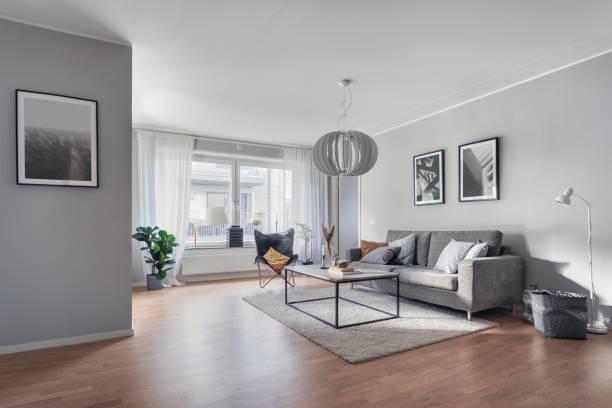
Renovations start with excitement. Pinterest boards. Saved reels. Late-night “what if we knock this wall down?” conversations. You picture the finished space so clearly that it almost feels done already. But somewhere between demolition and decision fatigue, things get messy. The vision gets blurry. And suddenly you’re standing in the middle of your own house, wondering how it all went sideways. I’ve seen it happen even when people hire experienced Las Vegas Home Interior Designers. Because here’s the truth—having a plan doesn’t mean it’ll unfold exactly the way you imagined. Materials change. Budgets tighten. Ideas evolve. And sometimes, you just realise the thing you loved online doesn’t actually work in your real-life space.
Why Renovation Visions Fall Apart
Most renovation problems don’t explode overnight. They unravel slowly. You start second-guessing tile choices. The paint looks different on the wall than it did on the sample card. The layout feels cramped even though the measurements said it would be fine. And then doubt creeps in. A lot of times, the issue isn’t bad taste or bad planning. It’s misalignment. What you thought you wanted doesn’t match how you actually live. Open shelving looked great in photos, but now you’re staring at clutter. That all-white kitchen? Turns out you have kids. Or dogs. Or both. Renovations fail when we design for an image instead of a lifestyle. That’s a hard pill to swallow, but it’s usually the turning point.
Step Back Before You Tear It All Down
When things feel off, the instinct is to panic. Rip it out. Start over. Don’t. Pause instead. Walk through the space at different times of day. Notice how light hits the walls. Pay attention to how you move through the room. Where do you naturally drop your keys? Where is the traffic bottleneck? These small observations matter more than any mood board. Sometimes the fix isn’t dramatic. It’s adjusting furniture placement. Swapping hardware. Changing lighting temperature. A lot of Las Vegas interior design projects get back on track not because of a full redesign, but because someone slowed down long enough to see what was actually wrong.
Talk Honestly With Your Designer or Contractor
This is where people get weirdly quiet. They don’t want to offend the designer. They don’t want to admit they’re unhappy. So they stay silent while frustration builds. That never ends well. If you’re working with Las Vegas Home Interior Designers, remember—they’re not mind readers. Good designers want feedback. They need it. If something feels wrong, say it. Not aggressively. Just honestly. “This doesn’t feel like me.” “I thought I’d love this, but I don’t.” Those conversations can save a project. And if you’re not working with a pro? Consider bringing one in, even just for a consultation. A fresh set of trained eyes can spot what you’re too close to see.
Revisit the Original Goal, Not the Aesthetic
Here’s something most people skip. They focus on the look instead of the purpose. Why were you renovating in the first place? More storage? Better flow? A calmer bedroom? Go back to that. Strip away the trendy finishes and ask if the space is doing its job. I’ve seen living rooms that look straight out of a magazine but feel cold and unusable. I’ve also seen simpler spaces that feel right the second you walk in. The goal isn’t to impress guests. It’s to build a home that works for you. When you re-centre on function, design decisions get clearer. Not easy, but clearer.
Adjust the Budget Without Losing the Vision
Money adds pressure. Always. Maybe the quartz you wanted is out of reach now. Maybe custom cabinetry isn’t realistic. That doesn’t mean the whole renovation collapses. It just means you get creative. Mix high and low pieces. Invest where it counts—like layout and lighting—and scale back on purely decorative items. In Las Vegas, where design trends move fast and materials fluctuate in price, flexibility matters. A good renovation isn’t about throwing cash at a problem. It’s about smart choices. Sometimes constraints force better design, honestly.
Don’t Chase Trends Just Because You’re in Vegas
Living in a city like this can mess with your perspective. There’s always something bold, flashy, over-the-top happening. That energy is fun. But your home doesn’t need to feel like a boutique hotel lobby. If your renovation vision drifted because you started layering in too many trend-driven ideas, simplify. Pull back. Choose materials that age well. Neutral doesn’t mean boring. Timeless doesn’t mean bland. A lot of experienced Las Vegas interior designers will tell you the same thing—design should feel grounded. Not like it expires in two years.
Consider Sustainability Before You Scrap Everything
Here’s something that gets overlooked when projects stall: sustainability. Instead of replacing every “mistake,” ask what can be repurposed. Can cabinets be refinished instead of ripped out? Can lighting be rewired rather than replaced? Sustainable Interior Design in Las Vegas is becoming more than just a buzz phrase. It’s practical. It saves money. It reduces waste. And it forces you to slow down and think before tossing materials into a dumpster. Sometimes your renovation vision doesn’t need a full reset. It needs a smarter, more conscious adjustment.
Know When to Pivot Completely
And yeah, sometimes you really do need a bigger change. If the layout is fundamentally wrong. If the space feels uncomfortable, no matter what tweaks you make. That’s when you pivot. Not impulsively, but intentionally. Bring in professionals who understand space planning. Look at 3D renderings. Explore alternatives you hadn’t considered. The right Las Vegas Home Interior Designers won’t cling to a failing concept just to protect their ego. They’ll pivot with you. That’s the difference between a stressful renovation and a salvageable one.
Conclusion: Progress Over Perfection
Renovations are rarely smooth. Anyone who tells you otherwise is either lying or hasn’t done one. When your vision isn’t coming together, it doesn’t mean you failed. It means you’re in the messy middle. That uncomfortable space where expectations meet reality. Step back. Reassess. Talk openly. Make small corrections before drastic ones. And remember why you started. A home isn’t built on perfect tile alignment or trendy fixtures. It’s built on how it feels to live there. Get that right, and the rest tends to fall into place. Even if the path there is a little crooked.
Catégories
Lire la suite
Negli ultimi anni il settore dei migliori casino online ha vissuto un'evoluzione straordinaria, diventando uno dei comparti più innovativi dell'intrattenimento digitale. Le moderne piattaforme non si limitano più a offrire una semplice raccolta di giochi, ma sviluppano veri e propri ecosistemi digitali progettati per garantire velocità, qualità grafica e...

Website design has become one of the most important parts of modern digital communication because a website is often the first place where people interact with a business, organization, service, personal brand, educational platform, or creative project. A well-designed website does much more than display information on a screen. It creates an experience that helps visitors understand a purpose,...
The handheld laser welder machine has emerged as a game-changer for professionals seeking high-quality welding without the constraints of bulky equipment. Whether in jewelry making, automotive repair, or industrial applications, this innovative tool is redefining the way metalwork is performed. What Makes a Handheld Laser Welder Machine Stand Out? Unlike traditional welding methods,...

How to Make the Most of Live Match Features on Sky Exchange Live sports have transformed the way fans experience their favorite games. Instead of simply watching the final result, sports enthusiasts now enjoy following every moment as the action unfolds. Sky Exchange enhances this experience with live match features that allow users to stay connected to ongoing events in real time....
The retail industry is rapidly evolving as businesses adopt advanced digital technologies to improve customer experiences and streamline operations. One of the most impactful innovations is cloud-based retail solutions, which allow retailers to manage inventory, customer data, supply chains, and online platforms more efficiently. The growing adoption of cloud technologies is significantly...