


The Resilience Revolution: Inside the Residential Solar Energy Storage Industry

The modern home is no longer just a place of shelter; it is rapidly evolving into a sophisticated power plant. As we navigate the complexities of 2026, the Residential Solar Energy Storage Industry has shifted from a luxury convenience for early adopters into a vital infrastructure component for millions of households. Driven by the dual pressures of climate volatility and the global electrification of transport, the ability to "bank" sunlight for use during the night or during grid outages has become an economic necessity. This industry is currently defined by a massive surge in manufacturing scale, a pivot toward safer battery chemistries, and the integration of artificial intelligence that allows families to manage their energy footprint with unprecedented precision.
The Shift Toward Self-Consumption
For years, the primary incentive for installing rooftop solar was "net metering"—the ability to sell excess power back to the grid for a credit. However, as utility companies globally reform these programs, the value of a kilowatt-hour sent to the grid has plummeted. This policy shift has fundamentally changed the industry's focus toward self-consumption. Homeowners are now realizing that the most profitable way to use solar energy is to keep it within their own four walls. By storing midday solar generation in high-capacity battery systems, residents can "peak shave"—using their own stored power during the expensive evening hours when utility rates are at their highest. This transition has made storage the "brain" of the solar system, transforming passive panels into a dynamic energy management tool.
Technological Diversity and Safety Standards
The industry is currently witnessing a technological "changing of the guard." While lithium-ion remains the dominant force, the specific chemistry being used is shifting toward Lithium Iron Phosphate. These systems are favored for residential use because they offer a significantly lower risk of thermal runaway compared to older chemistries, making them much safer for installation in garages or basements. Furthermore, 2026 has seen the early commercial debut of sodium-ion batteries in the residential space. Utilizing abundant and inexpensive salt, these units promise to lower the cost of entry for families in emerging markets, ensuring that the benefits of energy storage are not limited to wealthy nations.
The Rise of Virtual Power Plants
Perhaps the most exciting development in the industry is the rise of Virtual Power Plants. Through these programs, thousands of individual home batteries are linked together via cloud-based software to act as a single, massive "cloud battery." During times of extreme grid stress—such as a heatwave—utility companies can pay homeowners a premium to briefly tap into their stored energy. This synergy turns the residential storage system into a revenue-generating asset. Homeowners are no longer just customers of the utility; they are partners in grid stability. This collaborative model is providing the financial justification for many families to invest in larger storage capacities than they would otherwise need for personal use.
Infrastructure Challenges and Supply Chain Realities
Despite the clear momentum, the industry faces significant logistical hurdles. The rapid growth has outpaced the supply of certified electricians and installers, leading to long wait times in many regions. Additionally, as 2026 progresses, the industry is navigating a shifting global trade landscape. New tariffs on imported battery components have encouraged a wave of domestic manufacturing, particularly in North America and India. While this localization is creating a more resilient supply chain in the long run, it has caused temporary price volatility in the short term. Companies that have invested in vertically integrated manufacturing—controlling everything from cell production to software development—are currently the ones leading the pack in terms of market share and consumer trust.
The Impact of the "Solar Orphan" Crisis
A unique challenge that has emerged in 2026 is the management of existing solar systems whose original installers have gone out of business. This has created a new service-based sub-sector within the industry focused on "retrofitting" and maintaining legacy systems. Many homeowners are now looking to add storage to older solar arrays, leading to a surge in demand for universal battery inverters that can work across different brands and generations of hardware. This "revitalization" of old systems is ensuring that the millions of panels installed over the last decade do not go to waste, further bolstering the industry's sustainability credentials.
Looking Ahead: A Decentralized Future
The trajectory of the residential storage industry suggests a future where the centralized, "one-way" electrical grid is a thing of the past. As battery costs continue to decline and AI-driven energy management becomes standard, the home will become a highly efficient, autonomous unit. The integration of vehicle-to-home technology, where an electric car can act as a backup battery for the house, is further blurring the lines between transport and home energy. We are moving toward a world where energy is democratized, and the residential sector is the heartbeat of this new, sustainable reality.
Frequently Asked Questions
1. How long does a typical residential solar battery last? Most modern batteries are designed for a "cycle life" that equates to roughly 10 to 15 years of daily use. Most manufacturers provide a 10-year warranty that guarantees the battery will still retain at least 70% of its original capacity by the end of that period.
2. Can a residential storage system function during a total grid outage? Yes, but only if the system is equipped with "islanding" or "backup" capabilities. Not all solar-plus-storage systems are designed to work during a blackout; you must ensure your system has a specialized gateway or inverter that can safely disconnect your home from the grid to prevent backfeeding power during repairs.
3. What is a Virtual Power Plant (VPP)? A VPP is a network of decentralized energy resources, like home batteries, that are coordinated by a central software system. By participating in a VPP, you allow the utility to use a small portion of your stored energy to balance the grid during peak times, and in exchange, you typically receive a monthly credit or direct payment.
More Trending Reports on Energy & Power by Market Research Future
US Drilling Fluids Market Growth
US HVAC Insulation Market Growth
US Oil Gas Fishing Market Growth
Categories
Read More
When it comes to clearing waste from your home, garden, or construction site, choosing a reliable skip hire company makes all the difference. Whether you’re renovating, landscaping, or decluttering, Direct Skips UK provides professional and affordable skip hire in Ferndown, skip hire in Christchurch, and skip hire in Ringwood. With flexible options, excellent customer service, and a focus...

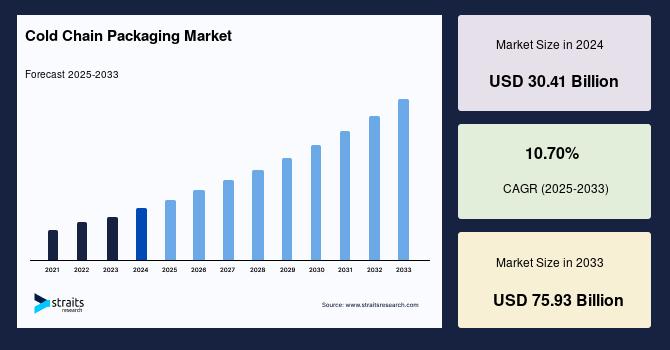
The global cold chain packaging market size was valued at USD 30.41 billion in 2024 and is projected to reach from USD 33.67 billion in 2025 to USD 75.93 billion by 2033, growing at a CAGR of 10.70% during the forecast period (2025-2033). Understanding Cold Chain Packaging Cold chain packaging refers to specialized packaging and logistics processes...
" Cassava Starch Market – Global Industry Trends, Share, Scope, Growth, and Forecast (2025–2035) Introduction Cassava starch, derived from the roots of the cassava plant, is a versatile carbohydrate widely used in food and non-food industries. It is commonly utilized as a thickener, stabilizer, and binding agent across various applications including food processing,...

Reward-based features have become an important part of modern mobile platforms, offering users additional motivation to stay active and explore available features. One such topic that frequently appears in user discussions is tiranga game gift code. Many users encounter this term while participating in activities, following updates, or exploring reward opportunities within gaming environments....

In today’s fast-evolving digital entertainment landscape, traditional cable and satellite TV are rapidly becoming obsolete. Viewers now demand flexibility, ultra-high-definition content, and access to global channels without limitations. This is where Bright4k stands out as a game-changer, offering what many consider the best iptv subscription 2026 has to...