


ce marking certification
CE Marking Certification: Complete Compliance Guide for Product Entry into the European Market
CE marking certification is a mandatory conformity requirement for many products that are sold within the European Economic Area. It confirms that a product complies with applicable European directives and regulations related to safety, health, environmental protection, and performance. The CE mark is not a quality badge or voluntary label. It is a legal market access requirement enforced across the European Union regulatory framework.
Manufacturers, importers, and authorized representatives must ensure that products falling under CE directives are tested, documented, and assessed before applying the CE mark. Without proper conformity assessment, products can be blocked at customs or withdrawn from the market.
What CE Marking Certification Actually Confirms
CE marking certification confirms that a product meets essential regulatory requirements defined in specific EU directives or regulations. Each product category is mapped to one or more directives such as machinery safety, low voltage equipment, medical devices, construction products, or electronic compatibility.
Compliance is demonstrated through technical documentation, risk assessment, applicable standard mapping, laboratory testing where required, and a formal declaration of conformity. Authorities evaluate evidence, not claims. The CE mark is applied only after conformity steps are completed.
It is regulation-driven, not marketing-driven.
Products That Require CE Marking Certification
Not every product needs CE marking certification, but many regulated categories do. The obligation depends on whether a CE directive applies to the product type. Electrical equipment, machinery, medical devices, pressure equipment, personal protective equipment, and certain consumer electronics are commonly covered.
If a product falls under multiple directives, it must comply with all applicable ones before CE marking is applied. Misclassification is a frequent compliance failure and can lead to enforcement action.
Correct directive identification is the first control step.
CE Marking Certification Process Structure
The CE marking certification process follows a defined technical compliance workflow. It begins with directive and harmonized standard identification. Then a conformity route is selected based on product risk classification and regulatory module requirements.
Manufacturers perform risk analysis, product testing, design validation, and documentation preparation. For higher-risk products, an independent notified body may be required to review and certify compliance. For lower-risk categories, self-declaration is permitted if supported by proper evidence.
Core stages usually include:
-
Directive and standard applicability analysis
-
Risk assessment and design evaluation
-
Product testing and validation
-
Technical file preparation
-
Declaration of conformity and CE mark application
Documentation depth must match product risk.
Technical File Requirements
A compliant CE marking certification technical file is a structured evidence package that regulators can review at any time. It must demonstrate how conformity was achieved. This file is not submitted automatically but must be available upon request by authorities.
Typical contents include product description, drawings, bill of materials, risk analysis, applied standards list, test reports, user instructions, labeling details, and conformity declarations. The file must be retained for a defined period, often up to ten years depending on directive.
Technical traceability is mandatory.
Role of Notified Bodies in CE Marking Certification
In certain CE pathways, CE marking certification requires third-party assessment by an EU-designated notified body. This applies to higher-risk categories such as specific medical devices, pressure systems, and some safety components.
A notified body reviews design dossiers, audits manufacturing controls, and issues conformity certificates where required. Selecting the correct notified body with proper scope accreditation is essential. An incorrect selection can invalidate the certification pathway.
Third-party review is risk-based, not universal.
CE Marking Certification Cost Factors
CE marking certification cost varies based on product complexity, testing needs, risk class, and whether a notified body is required. Simple products with self-declaration routes have lower compliance costs. Regulated technical products requiring lab testing and audits have higher costs.
Major cost drivers include laboratory testing, engineering documentation effort, consultant support, notified body fees, and corrective redesign if nonconformities are found. Budgeting should account for both initial certification and change-impact reassessment.
Cost depends on technical risk profile.
Common Compliance Failures
Many CE marking certification failures occur due to incomplete risk assessment, incorrect directive mapping, and weak technical documentation. Another frequent problem is applying the CE mark before conformity steps are finished. Authorities treat premature marking as a violation.
Using test reports that do not match the final product configuration is another audit failure point. Compliance must reflect the exact product version placed on the market.
Κατηγορίες
Διαβάζω περισσότερα
According to the latest report published by Data Bridge Market Research, the Streptococcus Infection Market CAGR Value A talented team works strictly with their potential capabilities to produce the most excellent Streptococcus Infection Market research report. To give clear idea about the current and future marketplace, most up to date market insights and analysis has...

"E Visa Market Summary According to the latest report published by Data Bridge Market Research, the E Visa Market The global e visa market size was valued at USD 1.70 billion in 2025 and is expected to reach USD 4.01 billion by 2033, at a CAGR of 11.3% during the forecast period E Visa Marketing report makes available state-of-the-art information about...
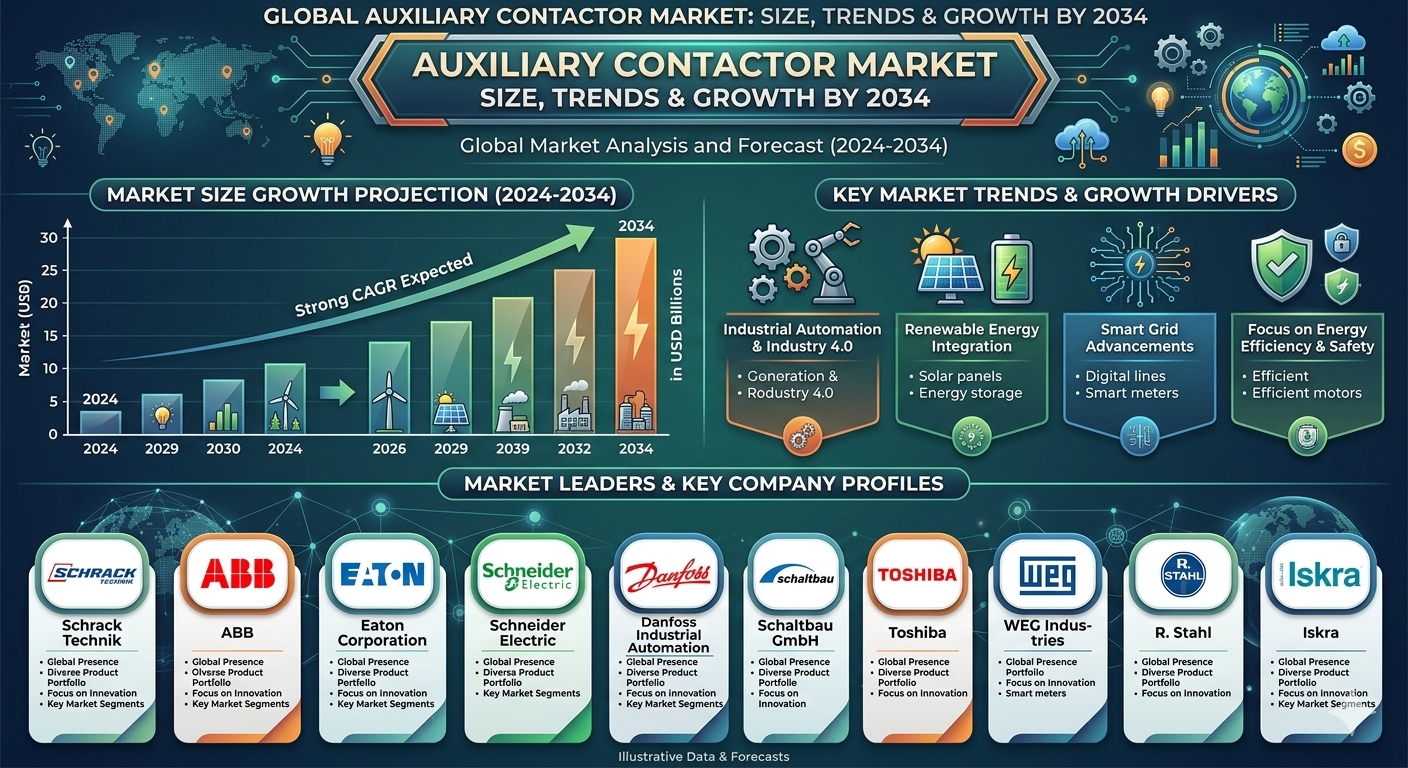
The auxiliary contactor industry is witnessing significant expansion as industries increasingly adopt advanced automation technologies, energy-efficient electrical systems, and smart industrial infrastructure. Auxiliary contactors are critical components in motor control circuits, industrial machinery, HVAC systems, renewable energy setups, and power distribution equipment. Their ability to...
Online gaming has become one of the fastest-growing sectors in digital entertainment, offering players around the world a chance to experience excitement and rewards from the comfort of their homes. Among the new generation of gaming platforms, zeus138 has emerged as a favorite destination for those seeking quality, trust, and innovation. It has successfully combined technology, entertainment,...
The U.S. Porous Concrete and Asphalt Market is emerging as a key segment within the North American permeable pavement industry, supported by increasing investments in sustainable infrastructure, stringent environmental regulations, and growing adoption of advanced stormwater management systems. Porous concrete and porous asphalt are widely used across municipal roads, parking...