


How to Select CNC Tools Based on Material Type
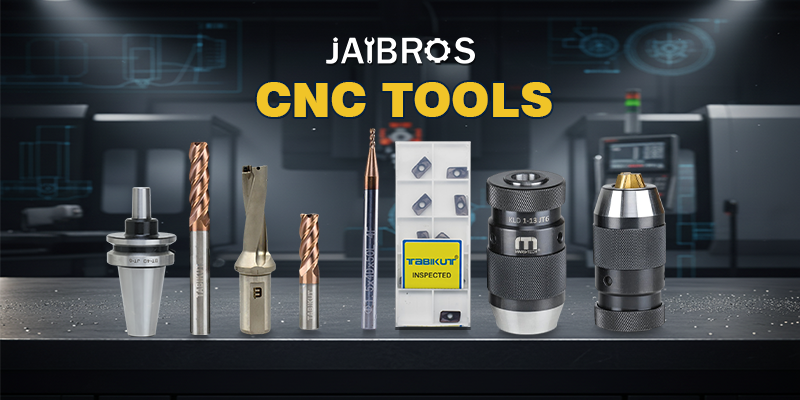
Learn how to select the right CNC tool based on material type. Improve machining performance, accuracy, and tool life with expert tips.
Expert Guide to Choosing CNC Tools Based on Material Properties
Selecting the right CNC tool is one of the most important decisions in modern machining. The performance, surface finish, and overall production efficiency largely depend on how well the cutting tool matches the workpiece material. Whether you are machining aluminum, stainless steel, hardened steel, titanium, or composites, the correct tool selection ensures better productivity, longer tool life, and reduced operational costs.
In this detailed guide, we will explore how to choose the right tools based on material type, discuss key factors to consider, and understand how working with a reliable CNC tools manufacturer can improve your machining results.
Understanding the Relationship Between Material and Tool Selection
Every material behaves differently during machining. Some materials are soft and easy to cut, while others are hard, abrasive, or heat-resistant. The selection of a CNC tool must align with the hardness, toughness, thermal properties, and chip formation characteristics of the material.
Before choosing tools, you must also consider the types of CNC machines you are using. Milling machines, turning centers, and multi-axis machining centers all require specific tooling strategies depending on spindle speed, rigidity, and cutting parameters.
Selecting Tools for Aluminum and Non-Ferrous Metals
Aluminum is widely used in automotive, aerospace, and electronics industries. It is soft compared to steel but tends to stick to cutting edges if the wrong tool geometry is used.
Key Tool Features for Aluminum:
-
Sharp cutting edges
-
High rake angle
-
Polished flutes
-
Fewer flutes (2 or 3 for better chip evacuation)
Carbide tools are typically recommended for aluminum machining due to their strength and wear resistance. Coatings such as TiB₂ can also prevent material buildup. When working with aluminum, choosing the best CNC tools with proper chip evacuation design ensures smoother finishes and faster cycle times.
Selecting Tools for Mild and Carbon Steel
Steel is one of the most commonly machined materials. It is tougher than aluminum and generates more heat during cutting.
Recommended Tool Characteristics:
-
Tough carbide grade
-
Heat-resistant coatings like TiAlN
-
Balanced geometry for chip control
A high-quality CNC tool with optimized coating enhances wear resistance and improves durability during long production runs. Tool rigidity is especially important when machining carbon steel to prevent chatter and maintain dimensional accuracy.
Selecting Tools for Stainless Steel
Stainless steel is known for its corrosion resistance and strength, but it is also prone to work hardening. This means that improper cutting parameters can make the material even harder during machining.
Ideal Tool Selection:
-
Sharp but strong cutting edges
-
High heat-resistant coating
-
Positive rake angle
-
Reduced cutting speed
When machining stainless steel, a properly selected CNC tool reduces friction and prevents premature tool wear. Always ensure consistent coolant supply to maintain temperature control and improve chip evacuation.
Selecting Tools for Hardened Steel
Hardened steel (above 45 HRC) requires specialized cutting tools due to its high hardness. Standard carbide tools may not be sufficient for extended operations.
Tool Recommendations:
-
CBN (Cubic Boron Nitride) inserts
-
Advanced coated carbide
-
Rigid tool holders
High-speed machining of hardened materials demands a durable CNC tool designed for extreme wear resistance. These tools maintain edge integrity and deliver superior surface finish even under heavy cutting loads.
Selecting Tools for Titanium and Superalloys
Titanium and nickel-based superalloys are commonly used in aerospace and medical industries. These materials are heat-resistant and have low thermal conductivity, which causes heat concentration at the cutting edge.
Best Tool Features:
-
Strong carbide grade
-
Low cutting speed with high feed
-
Efficient cooling strategy
-
Sharp geometry to reduce friction
Using the best CNC tools for titanium ensures stable performance and prevents tool breakage. Proper tool path programming and rigid machine setup also play a significant role.
Selecting Tools for Cast Iron
Cast iron contains graphite, making it brittle and abrasive. This causes high tool wear.
Recommended Tool Options:
-
CBN tools
-
Wear-resistant carbide
-
Dry machining capability
Since cast iron does not produce long chips, chip evacuation is less challenging. However, selecting a high-quality CNC tool with strong coating significantly increases tool life in high-volume production environments.
Selecting Tools for Plastics and Composites
Plastics and composites require specialized cutting geometry. Improper tools can cause melting, chipping, or delamination.
Key Considerations:
-
Sharp cutting edges
-
High spindle speed
-
Proper chip clearance
When machining composites, diamond-coated tools are often recommended for superior wear resistance. Tool geometry must prevent fiber pull-out and surface damage.
Factors to Consider Beyond Material Type
Selecting tools based only on material is not enough. You should also evaluate:
1. Machine Compatibility
Different types of CNC machine support different spindle speeds and torque levels. Always match tool specifications with machine capabilities.
2. Cutting Parameters
Speed, feed rate, and depth of cut directly impact tool performance.
3. Tool Coating
Coatings improve wear resistance and reduce friction. Choose coatings based on material hardness and heat generation.
4. Tool Geometry
Flute design, helix angle, and edge preparation influence chip evacuation and cutting stability.
5. Supplier Reliability
Working with a trusted CNC tools manufacturer ensures consistent quality, technical support, and customized solutions.
Where to Buy Quality Tools
Many manufacturers search online using terms like CNC tools near me or CNC tools online to find reliable suppliers. While online platforms offer convenience, it is important to evaluate product specifications, certifications, and customer reviews before purchasing.
Choosing a dependable CNC tools manufacturer ensures you receive precision-engineered products that match your machining requirements. Reliable suppliers also provide technical consultation, helping you select the right tool for specific materials.
Common Mistakes to Avoid
-
Using one tool type for all materials
-
Ignoring coating compatibility
-
Selecting incorrect cutting parameters
-
Compromising on quality for lower price
-
Not consulting experts when handling difficult materials
Avoiding these mistakes will improve machining efficiency and reduce downtime.
Importance of Testing and Optimization
Even after selecting the right CNC tool, testing is essential. Conduct trial runs to evaluate:
-
Tool wear rate
-
Surface finish quality
-
Chip formation
-
Heat generation
Optimizing cutting parameters ensures maximum performance and cost efficiency.
The Role of Innovation in Tool Selection
Modern tooling technology focuses on improving performance through advanced coatings, optimized geometries, and high-performance carbide grades. Smart manufacturing systems now monitor tool wear in real time, enabling predictive maintenance and reducing unexpected tool failure.
Investing in high-quality tools may initially seem costly, but it significantly reduces long-term operational expenses.
Conclusion
Selecting the right CNC tool based on material type is crucial for achieving precision, productivity, and long tool life. From aluminum and stainless steel to titanium and hardened alloys, each material demands a specific tooling strategy. By understanding material properties, machine compatibility, coatings, and geometry, manufacturers can significantly enhance machining efficiency.
Partnering with a reliable CNC tools manufacturer ensures consistent quality and expert guidance. For businesses looking to invest in durable and high-performance tooling solutions, Jaibros stands out as a trusted name in the industry. Jaibros offers advanced tooling solutions designed to meet diverse machining needs, helping manufacturers achieve superior performance and long-term reliability. Choosing the right partner makes all the difference in modern manufacturing success.
FAQs
1. How do I choose the right tool for aluminum machining?
Use sharp carbide tools with high rake angles and polished flutes to prevent material buildup and improve chip evacuation.
2. Which tools are best for hardened steel?
CBN inserts or advanced coated carbide tools are ideal for machining hardened steel above 45 HRC.
3. Why is coating important in tool selection?
Coatings enhance heat resistance, reduce friction, and increase wear resistance, improving overall tool life.
4. Can one tool be used for multiple materials?
While possible in some cases, it is not recommended. Each material requires specific geometry and coating for optimal results.
5. Where can I find reliable CNC tooling suppliers?
You can search for CNC tools online or look for trusted local suppliers by searching CNC tools near me, but always verify quality and manufacturer credibility before purchasing.
الأقسام
إقرأ المزيد
A new growth forecast report titled Process Mining Software Market Size, Share, Trends, & Industry Analysis Report By Component (Services, Software), By Deployment, By Application, By Industry Vertical, and By Region -Market Forecast, 2025 – 2034 introduced by Polaris Market Research represents conclusive data on the overall market. It majorly targets to provide a detailed...

Global Fuel Cell UAV Market Gains Momentum with Demand for Long-Endurance and Sustainable Aerial Solutions The global fuel cell unmanned aerial vehicle (UAV) market is emerging as a transformative segment within the aerospace and defense industry, driven by the need for extended flight endurance, reduced emissions, and enhanced operational efficiency. According to recent market...

"Global Executive Summary Vibration System Market: Size, Share, and Forecast The global vibration system market size was valued at USD 4.55 billion in 2024 and is expected to reach USD 7.37 billion by 2032, at a CAGR of 6.20% during the forecast period The report has provided crucial information about the elements that are impacting and driving the sales of...

October 2025 marks an exciting update in Pokémon TCG Pocket, bringing fresh content for players to explore. The latest Deluxe Pack EX set introduces a nostalgic wave, reintroducing classic EX cards and popular reprints into the game environment. Premium Pass holders are in for special treats, including exclusive themed accessories inspired by Lillie, one of the beloved trainers from the...

A new growth forecast report titled High Purity Methane Gas Market Share, Size, Trends, Industry Analysis Report, By End-Use (Automotive, Chemical, Oil & Gas, Electronics, Industrial, Medical); By Application; By Region; Segment Forecast, 2021 - 2028 introduced by Polaris Market Research represents conclusive data on the overall market. It majorly targets to provide a...