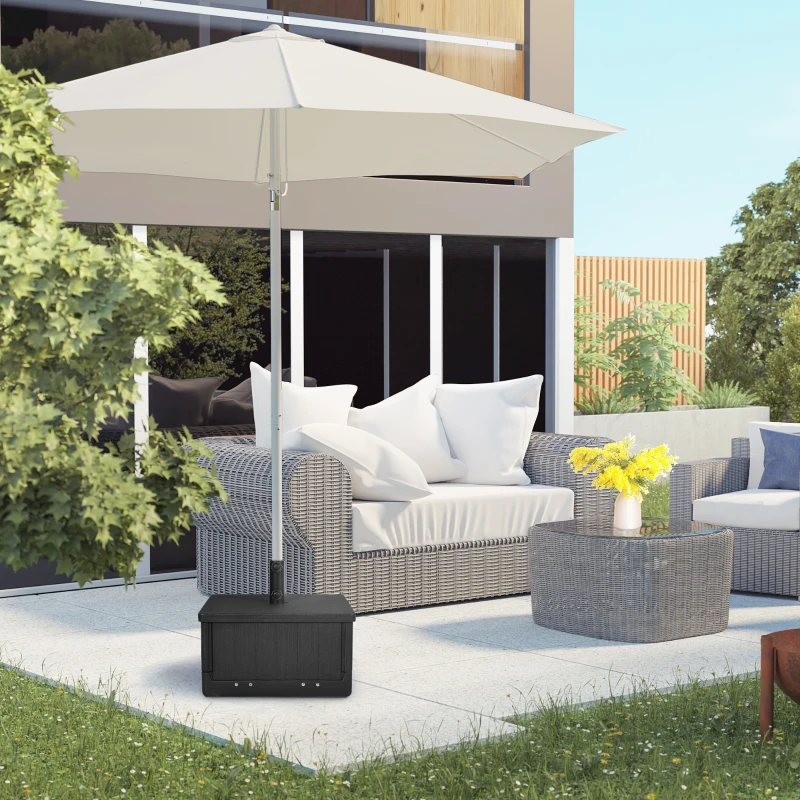
A patio umbrella provides essential shade and comfort in outdoor spaces, but without a proper stand, even the highest-quality umbrella becomes unstable and unsafe. Wind, uneven surfaces, and improper weight distribution can cause tipping, potentially leading to damage or injury. Choosing the best umbrella stand for your patio umbrella is just as important as selecting the umbrella itself.
The right umbrella stand depends on umbrella size, pole diameter, location, and typical weather conditions. This article explains the key factors to consider and highlights the best types of umbrella stands for different patio setups.
Why an Umbrella Stand Matters
An umbrella stand does more than hold the pole upright. It ensures stability, prevents movement during wind gusts, and supports long-term durability. A poorly matched base can lead to leaning, wobbling, or tipping.
Benefits of a proper umbrella stand include:
Selecting the right base prevents common outdoor frustrations.
Understanding Umbrella Size and Weight Requirements
Before purchasing an umbrella stand, identify the size of your patio umbrella.
For 6–7.5 ft Umbrellas
For 8–9 ft Umbrellas
For 10 ft or Larger Umbrellas
Larger umbrellas require heavier bases due to increased wind resistance and canopy surface area.
Types of Umbrella Stands
1. Concrete Umbrella Stands
Concrete bases are among the most stable options.
Best for:
-
Large patio umbrellas
-
Wind-prone areas
-
Permanent installations
Advantages:
-
Heavy and stable
-
Durable
-
Low maintenance
However, concrete bases can be difficult to move.
2. Fillable Umbrella Stands (Water or Sand)
Fillable bases are lightweight when empty and become stable once filled.
Best for:
-
Seasonal use
-
Moderate wind conditions
-
Flexible storage needs
Advantages:
Sand provides more stability than water, especially in windy environments.
3. Resin Umbrella Stands
Resin bases are designed to resemble decorative materials while remaining weather-resistant.
Best for:
Advantages:
Resin stands may require additional weight for larger umbrellas.
4. Rolling Umbrella Stands with Wheels
These stands include locking wheels for easy repositioning.
Best for:
Advantages:
Ensure wheels lock securely to prevent shifting.
5. Cantilever Umbrella Bases
Cantilever umbrellas require specialized cross-style bases.
Best for:
-
Offset patio umbrellas
-
Large canopy coverage
These bases often require separate weighted plates (each 50–75 lbs) to ensure balance.
Matching Pole Diameter
Check your umbrella’s pole diameter before selecting a stand.
Common sizes include:
-
1.5 inches
-
1.75 inches
-
2 inches
Many umbrella stands come with adjustable inserts to fit different pole sizes. Ensure a snug fit to prevent wobbling.
Wind Resistance Considerations
Wind is the primary factor affecting umbrella stability.
To improve wind resistance:
-
Choose heavier bases than minimum recommendations
-
Position umbrella in sheltered areas
-
Close umbrella when not in use
-
Secure base on flat, level ground
For windy regions, heavier concrete or sand-filled bases are recommended.
Do You Need a Stand with a Patio Table?
If your umbrella passes through a patio table, you still need a weighted base. The table adds some support but is not sufficient alone to prevent tipping.
Always use:
This ensures maximum safety.
Best Umbrella Stands Based on Patio Setup
Small Patio or Balcony
-
40–50 lb fillable base
-
Compact design
-
Adjustable pole insert
Ideal for 6–7.5 ft umbrellas.
Medium Backyard Patio
Balances style and function.
Large Open Deck
Provides superior wind stability.
Cantilever Umbrella Setup
Ensures proper balance for offset umbrellas.
Maintenance Tips
To extend the life of your umbrella stand:
-
Clean periodically to remove debris
-
Check tightening mechanisms
-
Refill water bases if levels drop
-
Store indoors during winter
Regular care prevents rust, cracks, or instability.
Common Mistakes to Avoid
-
Choosing a base too light for the umbrella size
-
Ignoring wind conditions
-
Forgetting to measure pole diameter
-
Skipping a base when using a patio table
Avoiding these mistakes ensures safe outdoor use.
The best umbrella stands for patio umbrellas provide stability, durability, and compatibility with your specific umbrella size and outdoor environment. Whether opting for a heavy concrete base for wind resistance or a fillable model for flexible use, selecting the right weight and design ensures safety and long-term performance.
By carefully matching umbrella size, pole diameter, and patio conditions, you can create a secure and comfortable outdoor space. A properly chosen umbrella stand not only supports your shade solution but also enhances your patio’s overall functionality and safety.