


The Shift from Fragmented Safety Processes to Fully Integrated Work Control
The Shift from Fragmented Safety Processes to Fully Integrated Work Control
In industries where even minor mistakes can have serious consequences—such as energy generation, utilities, offshore operations, and large-scale manufacturing—uncertainty is more than a disruption. It represents a direct threat. In such settings, safety cannot simply exist as written procedures or routine formalities. It must function as a reliable structure that guides every activity, regardless of how demanding schedules become or how complicated the work may be. When this structure weakens, the effects are immediate and far-reaching, ranging from halted production and regulatory scrutiny to employee harm and lasting damage to organizational credibility.
As industrial environments have become more complex and workloads more demanding, many companies have recognized a critical limitation: older safety management approaches can no longer keep pace. Paper permits, standalone spreadsheets, and scattered records once offered a basic level of control. Today, however, they often introduce gaps instead of preventing them. Important information can become scattered, supervisors may follow slightly different methods, and key details may not transfer properly between shifts. To overcome these challenges, organizations are increasingly adopting Integrated Safe Systems of Work, commonly known as ISSOW.
This approach reflects a fundamental change in how safety is managed. Instead of handling safety activities as separate administrative steps, ISSOW brings them together into a unified, task-focused process. Authorizations, hazard reviews, isolations, and team briefings are no longer handled independently. They are connected as parts of a structured sequence, where each phase supports and validates the next. This continuity helps reduce the likelihood of missed checks, incomplete approvals, or rushed decisions.
An effective ISSOW structure combines several critical functions into one coordinated framework. The Permit to Work process ensures that higher-risk activities receive proper authorization before they begin, whether they involve heat-producing tasks, confined spaces, electrical systems, or elevated work areas. Risk assessments provide a consistent way to identify potential dangers and determine protective measures ahead of time. Lockout/Tagout procedures ensure that hazardous energy sources are safely controlled and restored correctly once work is finished. Safety briefings and toolbox talks help confirm that everyone involved clearly understands their roles, the risks present, and the precautions required. In addition, formal handovers and completion procedures maintain continuity, ensuring nothing is overlooked when responsibility shifts between teams.
When supported by digital technology, this system becomes even more effective. Every action is documented automatically, approvals are recorded with precise timing, and responsibilities are clearly assigned. This creates a transparent record that strengthens accountability and makes reviews, audits, and investigations far more efficient.
Traditional permit systems often struggle not because workers lack dedication, but because the tools themselves create obstacles. Determining which permits are currently active, identifying overlapping activities, or confirming isolation status can require extensive manual effort. Investigations may depend on searching through scattered emails or paper files. Extended projects can suffer from incomplete handovers, leading to uncertainty. Variations in how hazards are evaluated or isolations are applied may also create inconsistencies between teams or locations. These inefficiencies increase risk exposure while slowing operations and drawing unwanted regulatory attention.
ISSOW software addresses these issues by embedding clear structure into everyday workflows. It links permits, controls, and approval steps within a single system, ensuring tasks follow the correct order. Workflows can be configured to match the specific needs of each facility, rather than forcing teams into unsuitable templates. Real-time dashboards provide instant visibility into permit conditions, possible conflicts, and pending decisions. Automated records reduce paperwork while improving audit readiness. Mobile access allows field teams to review and update permits directly at the worksite, reducing delays and lowering the chance of mistakes.
The process itself follows a logical sequence. It begins with a permit request outlining the task and location. Hazards are identified, and safeguards are defined. Required isolations are planned and confirmed. Approvals move through designated roles, and teams review responsibilities before starting. Work progress is tracked, and once completed, systems are safely restored and documentation finalized.
Organizations often monitor performance through measurable indicators such as approval timelines, overdue tasks, audit findings, and adherence to procedures. These insights help determine whether the system is delivering meaningful improvements.
When introduced carefully, ISSOW becomes more than an administrative upgrade. It reduces incidents, improves efficiency, strengthens compliance, and makes safety an integral part of daily operations. Instead of reacting to problems, organizations gain a system that actively supports safer, more reliable work.
Read more about this article @ https://toolkitx.com/blogsdetails.aspx?title=A-Safety-Manager%E2%80%99s-Approach-to-ISSOW-Permit-Management
Catégories
Lire la suite
Ring Design in Gold: Find the Perfect Style for Every Occasion A ring design in gold is more than just a piece of jewellery—it reflects personal style, celebrates memorable moments, and becomes a cherished part of your collection. Whether you're buying a ring for daily wear, an engagement, a wedding, or a special gift, choosing the right design ensures lasting beauty and value. At...

Access to reliable tools is essential for meaningful music creation. Digital platforms have made it possible for musicians to explore sound without large initial investment, encouraging learning and creativity. Soundpaint free instruments provide carefully designed virtual sounds that support composition, practice, and experimentation. These instruments are developed with the same attention to...

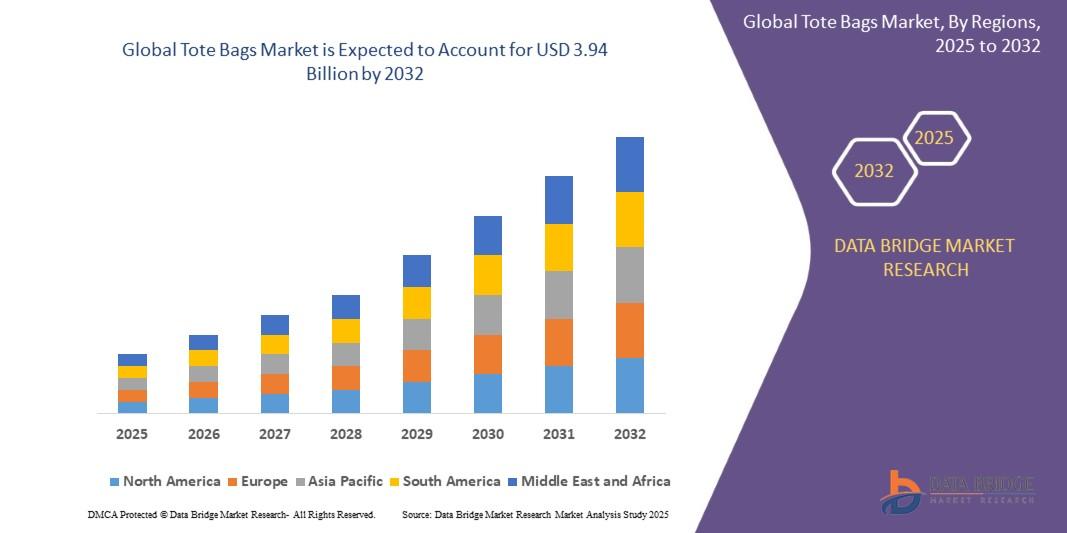
The Tote Bags Market has evolved into a dynamic and fast-growing segment of the global accessories and lifestyle industry. Once considered a simple utility product, tote bags are now positioned at the intersection of fashion, sustainability, branding, and everyday convenience. Rising environmental awareness, changing consumer preferences, and the rapid expansion of retail and...
In today's fast-paced financial and entertainment worlds, access to reliable, comprehensive data can make all the difference. Puntsinfo stands out as a leading Forex Data Provider that also specializes in niche databases tailored for industry professionals. Whether you're navigating the thrilling realm of gaming or seeking an edge in currency markets, Puntsinfo delivers high-quality solutions...

As online card gaming continues to grow in popularity, many users search for platforms that offer easy access and multiple game variations. One commonly searched name is Poker88 especially among users looking for Poker88 Online, Poker88 Domino, Poker88 Holdem, and IDN Poker88 services. This article provides a clear overview of how the platform is generally described, its...