


Maintaining Your Cabin: Repairing Rotten Logs Before Damage Spreads
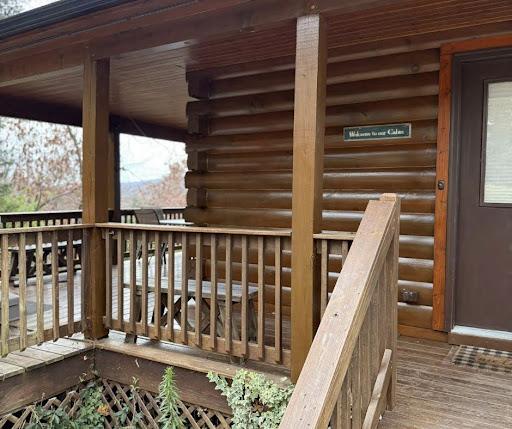
There’s something about a log cabin. The smell of pine, the creak of old wood, the way it sits in the woods like it’s always belonged there. But as beautiful as a cabin is, it’s also a lot of work. Logs don’t just sit pretty forever—they rot, they crack, they shift. And if you don’t act fast, a little decay can turn into a full-blown nightmare. That’s where the hard truth comes in repairing rotted logs log home isn’t glamorous, but it’s necessary if you want your cabin to last.
I’ll be blunt. If you ignore a soft, rotting log, you’re gambling. Water seeps in, insects move in, and suddenly what was a cosmetic issue is a structural problem. It might start as a patch you can handle yourself, but eventually, it can reach a point where replacing the entire log is your only option. Trust me, it’s better to nip it in the bud.
Spotting Rotten Logs Before They Get Worse
Rot doesn’t always look like what you expect. Sure, sometimes the wood turns dark and crumbly, but often it’s subtler. A soft spot, a little give when you press, a funky smell—these are all red flags. Start with a thorough walk-around. Check the corners, the areas near the ground, under overhangs, and especially spots where water tends to collect. The last thing you want is to wait until the whole wall feels spongey.
Sometimes it’s not just obvious decay. Logs can develop minor cracks that let moisture seep in. That moisture invites rot. That rot invites termites or carpenter ants. One little leak can become a domino effect. This is why repairing rotted logs in a log home early isn’t just maintenance—it’s prevention. The sooner you handle it, the less headache later.
Tools and Materials You’ll Actually Use
Now, I’m not going to sugarcoat it: fixing rotten logs isn’t like hammering a nail into drywall. You need the right materials and some patience. Epoxy fillers, wood hardeners, chisels, sandpaper, maybe even a chainsaw if a log needs partial replacement. And yes, safety gear. Gloves, goggles, mask. Those rotten spores aren’t your friends.
The goal isn’t to make the log look brand-new, it’s to stabilize it, stop decay, and prevent it from spreading. Sometimes that’s filling cracks with epoxy. Other times, you cut out the worst section and splice in a piece of fresh wood. Either way, it’s hands-on. You can’t skip the prep—sanding, cleaning, drying—because if you do, nothing will stick, nothing will last.
The Role of Log Cabin Caulking
Once you’ve repaired the logs, you can’t forget the gaps. That’s where log cabin caulking comes in. I can’t stress this enough. Even the best repair job fails if water can sneak back in. Caulking seals joints, cracks, and other weak points. It keeps moisture out, which keeps rot at bay.
Caulking isn’t just a squeeze-and-smooth kind of job. You need the right type for exterior log homes. Flexible, weather-resistant, something that moves with the wood as it expands and contracts. Otherwise, you’re sealing yourself into future headaches. Re-caulk regularly, especially after harsh winters or heavy rains. It’s not glamorous, but it’s essential.
Replacing Logs When It’s Beyond Repair
Sometimes, you just can’t patch it. The rot has eaten too deep, or the structural integrity is compromised. That’s when replacement is the only way forward. And yes, it’s a pain. Pulling out a full log, cutting a new one to fit, and sealing it into place isn’t quick. But if you do it right, your cabin will thank you for decades.
Don’t panic. You can handle a replacement log yourself if you have the tools and some patience, but be honest about your skill level. A sloppy installation is worse than leaving the rotten log alone. Sometimes it’s worth consulting a pro for the heavy stuff. But even then, understanding what goes into repairing rotted logs in a log home keeps you from being in the dark—and saves you money on unnecessary work.
Preventive Maintenance: Don’t Wait for Rot
Here’s the thing: repairing rotted logs isn’t a one-off task. It’s part of a larger maintenance rhythm. Clean your logs regularly, keep gutters and rooflines clear, check caulking, trim plants away from walls, and watch for standing water. The environment around your cabin has as much to do with rot as the wood itself.
Some people think a log cabin is a “set it and forget it” kind of home. That’s a dangerous mindset. Wood is alive, it breathes, it expands and contracts, it reacts to the weather. You can’t fight that entirely, but you can slow the damage. Regular inspections and minor repairs now save major headaches later.
Even seasonal chores, like applying wood preservative or checking caulking before winter, make a big difference. It’s not glamorous work, but it’s the kind of work that keeps a log cabin looking and feeling like it belongs in the woods for generations.
Common Mistakes People Make
Some people wait too long. They think a soft spot is cosmetic or temporary. Nope. By the time it’s obvious, the rot has often spread deeper than you realize. Others overdo the repair, tearing out more wood than necessary or using products that aren’t meant for logs. Too many homeowners treat their cabin like a regular house. Log homes have quirks. Wood is wood. Water is the enemy. Respect both.
Skipping caulking or using the wrong type is another classic mistake. The log itself might be fine, but if the joints leak, the problem just moves elsewhere. Think of it like a band-aid. Cover one spot, and if the edges aren’t sealed, the wound gets worse anyway.
Finally, underestimating prep is a huge misstep. You can’t just slap epoxy on and hope. Clean, dry, and stabilize the log first. Otherwise, the repair is temporary. You’ll be back in a year, cursing that you didn’t do it right the first time.
Living With Your Cabin
Owning a log home isn’t like owning a brick house. You accept some quirks: creaks, seasonal movements, the smell of wood in rain. But you also accept responsibility. Maintaining your cabin, repairing rotted logs before damage spreads, inspecting caulking, sealing gaps—this is part of that deal.
The reward? A cabin that lasts. A space that feels like it belongs in nature, not something falling apart because you ignored it. Each repair, each inspection, is like feeding your home. You’re not just maintaining wood—you’re preserving the life of the cabin itself.
Conclusion
At the end of the day, repairing rotted logs in a log home is about more than aesthetics. It’s about preventing damage from spreading, keeping your structure sound, and protecting your investment. It’s dirty, sometimes frustrating, and yes, often smells like wet wood and rot. But it works.
Don’t wait for a little rot to become a big problem. Check your logs, patch what you can, replace what you must, and seal every gap with proper log cabin caulking. Proper log house restoration ensures your cabin stays strong, insulated, and charming for years to come. Treat your cabin like it matters, because it does.
Categorías
Read More
XOSO66 proudly builds its brand on a solid, reliable, and fully compliant legal foundation. From the beginning, the platform has focused on operating with transparency, integrity, and professionalism. Valid international licenses support its operations, showing a clear commitment to global standards and responsible gaming practices. Having recognized international licenses means...

Household Cleaners Industry Outlook: Straits Research has introduced a detailed analytical study on the Household Cleaners Market, offering insights into market valuation, segmentation framework, and long-term growth trajectory. The publication delivers a structured overview of market drivers, constraints, technological advancements, and strategic developments shaping the industry. In...

This number connects you to a live agent +1 (866) 855-(0041) or 1-800-Expedia (+1 (866) 855-(0041)) 24 hours a day, 7 days a week. When you dial +1 (866) 855-(0041) or 1-800-Expedia (+1 (866) 855-(0041)), listen to the automated menu and say "representative" or "agent" +1 (866) 855-(0041) or 1-800-Expedia (+1 (866) 855-(0041)) to skip the prompts. If the system asks for your booking number,...
Artillery Systems Industry Outlook: Straits Research has introduced a detailed analytical study on the Artillery Systems Market, offering insights into market valuation, segmentation framework, and long-term growth trajectory. The publication delivers a structured overview of market drivers, constraints, technological advancements, and strategic developments shaping the industry. In...

在現代數位娛樂時代,遊戲已經成為人們生活中不可或缺的一部分。無論是休閒玩家還是專業玩家,尋找一個穩定、安全且多樣化的遊戲平台至關重要。yygames 正是這樣一個平台,它以豐富的遊戲種類、創新的遊戲體驗以及用戶友好的操作界面,成為玩家心目中的首選。 yygames 的特色與優勢 yygames 與其他遊戲平台相比,具有多項明顯優勢,讓玩家在遊戲過程中享受更高品質的體驗: 多樣化遊戲類型:無論是角色扮演遊戲 (RPG)、動作冒險、策略模擬還是休閒益智遊戲,yygames 都能滿足不同玩家的需求。 高品質遊戲畫面:採用先進的圖形渲染技術,每一款遊戲都呈現出流暢且細膩的畫面效果。 即時更新與維護:平台持續更新遊戲內容,修復漏洞,確保玩家擁有順暢的遊戲體驗。 安全可靠的遊戲環境:玩家的帳號與資料受到嚴格保護,並提供多種支付方式以保障交易安全。 這些優勢使得...
