Understanding Gold Weight Measurements
Gold has been traded for thousands of years, yet many buyers and sellers still have questions about how its weight is measured. Whether you’re investing in bullion, buying jewelry, or preparing to sell gold, understanding weight conversions is essential. Even small differences in measurement standards can significantly impact pricing and overall value.
When discussing 1 ounce in grams gold, it’s important to know that precious metals are measured using the troy ounce, not the standard ounce used in grocery stores. One troy ounce equals approximately 31.1035 grams. This distinction matters because a regular (avoirdupois) ounce equals only 28.35 grams, and confusing the two could lead to costly miscalculations.
Troy Ounce vs. Standard Ounce
The troy ounce dates back to medieval Europe and became the global standard for precious metals trading. Today, international gold markets quote prices per troy ounce, ensuring consistency across countries and exchanges. If you see the gold spot price listed online, it refers to one troy ounce of pure gold.
Because of this standard, when converting 1 ounce in grams gold, you must always use 31.1035 grams as your reference point. Using the standard ounce measurement would undervalue the gold by nearly three grams, which can make a noticeable difference in larger transactions.
Why Conversion Matters When Buying Gold
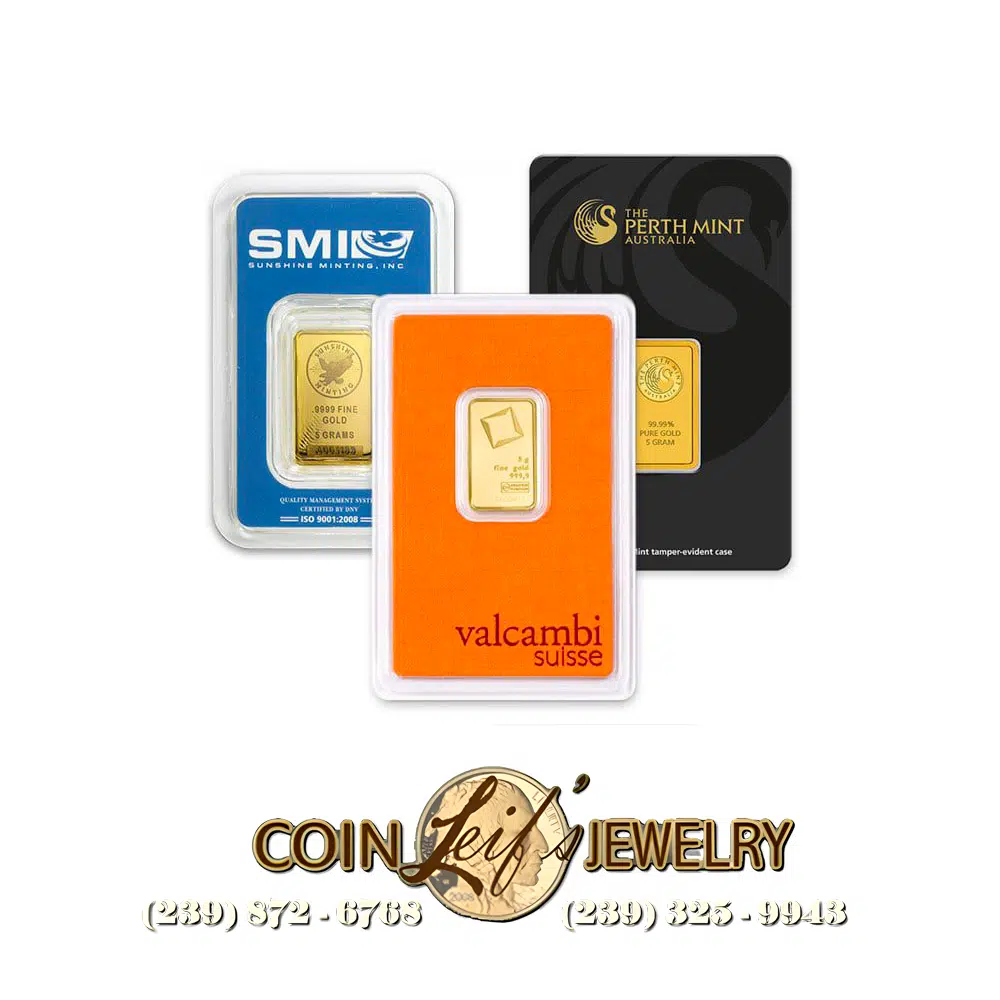
Accurate conversions are especially important when comparing bullion coins, bars, or jewelry pieces. Many gold bars are produced in gram denominations, such as 5 grams, 10 grams, or 100 grams, while larger bullion coins are commonly sold in 1-ounce increments. Understanding how these weights relate to each other allows buyers to compare pricing accurately.
For example, if you know that 1 troy ounce equals 31.1035 grams, you can quickly determine how many grams are in two ounces or calculate the price per gram based on the current spot price. This knowledge ensures transparency and helps you evaluate whether a dealer’s premium is fair.
Gold Purity and Its Impact on Weight Value
Weight alone does not determine value—purity plays an equally important role. Pure gold is classified as 24 karats or .999 fine gold. Many bullion coins and bars are 24K, meaning they contain nearly 100% pure gold. Jewelry, however, is often made in 18K (75% gold), 14K (58.5% gold), or even lower purities for durability.
If you are calculating the value of gold in grams, you must account for purity. For instance, if you have a 20-gram 18K gold necklace, only 75% of that weight is pure gold. That means 15 grams are actual gold content. Converting and factoring purity together provides an accurate assessment of market value.
Practical Example of Gold Conversion
Let’s say the current market price of gold is quoted per troy ounce. If you own a 1-ounce gold coin, you know it contains 31.1035 grams of pure gold (assuming it is .999 fine). To determine the approximate value per gram, divide the spot price by 31.1035. This simple calculation gives you a clear benchmark for buying or selling.
This approach also works in reverse. If you are offered a price per gram, you can multiply that figure by 31.1035 to see how it compares with the current spot price per ounce. Understanding these calculations empowers you during negotiations and ensures you are not relying solely on someone else’s math.
Buying and Selling Gold with Confidence
Whether you are investing in bullion or selling old jewelry, working with a reputable dealer makes the process smoother. Reliable professionals use certified scales and proper testing methods to determine weight and purity accurately. Transparency in pricing is a key sign of trustworthiness.
Many investors and sellers prefer experienced local dealers or established online platforms like leifscoins.com, where accurate weight measurement and fair market pricing are priorities. Having access to knowledgeable experts helps ensure your gold is evaluated properly and priced according to real-time market conditions.
Long-Term Perspective on Gold Ownership
Gold has consistently maintained its appeal as a store of value. While daily price movements may fluctuate, its long-term history shows resilience during economic uncertainty and inflation. Understanding measurements like ounces and grams adds clarity to your investment strategy and builds confidence over time.
Rather than focusing only on short-term price swings, many investors take a steady, long-term approach. By gradually accumulating gold and understanding how weight and purity affect value, you can create a more informed and balanced precious metals portfolio.
Frequently Asked Questions
How many grams are in 1 troy ounce of gold?
One troy ounce equals approximately 31.1035 grams.
Is a regular ounce the same as a troy ounce?
No. A regular ounce equals about 28.35 grams, while a troy ounce equals 31.1035 grams.
Why is gold measured in troy ounces?
The troy ounce has been the historical standard for precious metals trading and remains the global benchmark.
Do I need to consider purity when converting ounces to grams?
Yes. Weight tells you how heavy the item is, but purity determines how much of that weight is actual gold.
Are gold prices quoted per gram or per ounce?
International markets typically quote gold prices per troy ounce, though some dealers may display per-gram pricing for convenience.
Understanding the relationship between ounces and grams is a simple yet powerful tool for anyone involved in gold transactions. By knowing that 1 ounce equals 31.1035 grams and factoring in purity, you can approach buying and selling with clarity, accuracy, and confidence.