


High-Speed Machining and the Role of Advanced CNC Tools
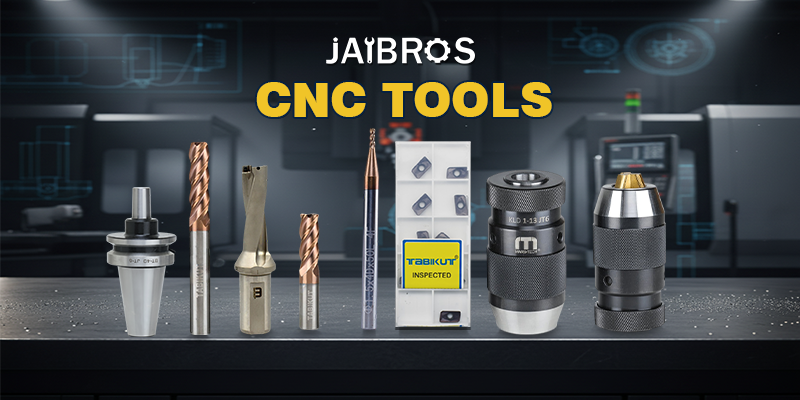
Explore how advanced CNC tool technology enhances high-speed machining performance, improves precision, increases productivity, and extends tool life.
The Importance of Advanced CNC Tools in High-Speed Machining
High-speed machining (HSM) has transformed modern manufacturing by increasing productivity, improving surface finish, and reducing production time. Industries such as aerospace, automotive, medical, and die & mold manufacturing rely heavily on this technology to maintain precision while meeting high production demands. At the center of this advancement lies the modern CNC tool, engineered specifically to withstand extreme speeds, heat, and cutting pressures.
High-speed machining is not simply about increasing spindle RPM. It requires optimized tool paths, advanced materials, improved coatings, and rigid machine setups. Without the right tooling strategy, higher speeds can lead to rapid wear, vibration, and poor surface quality. This is why advanced tooling technology plays a critical role in achieving reliable and efficient results.
What Is High-Speed Machining?
High-speed machining refers to cutting processes performed at significantly higher spindle speeds and feed rates compared to conventional machining. The objective is to remove material quickly while maintaining dimensional accuracy and surface finish.
HSM reduces cutting forces and heat transfer to the workpiece when done correctly. However, it demands a high-performance CNC tool capable of maintaining sharpness and structural integrity under extreme conditions.
Modern types of CNC machines, such as high-speed vertical machining centers, 5-axis machining centers, and high-precision turning centers, are designed specifically to support these operations. Their rigid structure and high spindle capabilities complement advanced tooling systems.
Why Advanced Tooling Is Essential in High-Speed Machining
When cutting speeds increase, so do the thermal and mechanical stresses on the tool. Standard tooling may fail prematurely due to:
-
Excessive heat buildup
-
Edge chipping
-
Vibration and chatter
-
Rapid wear
An advanced CNC is engineered with improved carbide grades, optimized geometry, and high-performance coatings to resist these challenges. Without such advancements, high-speed machining would not be practical or economical.
Key Features of Advanced CNC Tools for HSM
1. Superior Carbide Grades
Modern carbide formulations provide better hardness and toughness balance. This allows the CNC tool to handle high RPMs without losing cutting efficiency.
2. Advanced Coating Technology
Coatings such as TiAlN, AlTiN, and diamond-like carbon improve heat resistance and reduce friction. These coatings act as thermal barriers, protecting the cutting edge during prolonged machining cycles.
3. Optimized Geometry
High helix angles, variable flute spacing, and sharper cutting edges reduce vibration and enhance chip evacuation. Geometry plays a major role in stabilizing the cutting process at high speeds.
4. Balanced Tool Design
Dynamic balancing ensures minimal vibration during rotation, which is essential for maintaining accuracy at high spindle speeds.
Benefits of High-Speed Machining with Advanced Tooling
Increased Productivity
High-speed operations significantly reduce cycle time. When paired with the best tools, manufacturers can complete jobs faster without compromising quality.
Improved Surface Finish
Reduced cutting forces lead to smoother finishes, often minimizing or eliminating secondary finishing operations.
Extended Tool Life
Although speeds are higher, modern tool designs distribute heat more efficiently, extending tool life compared to outdated tooling systems.
Reduced Operational Costs
Higher material removal rates mean fewer production hours. Over time, this results in lower energy consumption and labor costs.
Application Areas of High-Speed Machining
Aerospace Industry
Machining lightweight materials like aluminum and titanium requires stable high-speed cutting conditions. Advanced tools maintain accuracy even during complex 5-axis operations.
Automotive Sector
Engine components, molds, and precision parts benefit from high-speed machining due to faster production cycles.
Mold and Die Manufacturing
HSM enables fine detailing and high surface quality in hardened steel molds, reducing polishing time.
Each application demands a carefully selected CNC suited for the material and machining environment.
Importance of Machine Compatibility
Even the most advanced tool cannot perform efficiently without the right machine. Modern types of CNC machines designed for HSM include features such as:
-
High spindle speed capability
-
Advanced cooling systems
-
Strong structural rigidity
-
Precision motion control
The combination of machine performance and advanced tooling determines overall success.
Choosing the Right Tooling Partner
Manufacturers often search for CNC tools near me when looking for local suppliers who can provide quick delivery and technical support. However, selecting a trusted tools manufacturer is more important than proximity alone.
An experienced CNC tools manufacturer provides:
-
Application-specific recommendations
-
Custom tooling solutions
-
Consistent product quality
Technical guidance for high-speed operation
Many companies also prefer purchasing CNC tools online for convenience. Online platforms allow easy comparison of specifications, pricing, and reviews. Still, quality assurance should always remain the top priority.
Tool Material Selection for High-Speed Machining
Different materials require different tooling strategies:
Aluminum
Requires sharp edges and polished flutes for chip evacuation.
Hardened Steel
Needs wear-resistant carbide or CBN tools with heat-resistant coatings.
Titanium
Demands strong edge preparation and optimized cooling strategies.
Cast Iron
Requires abrasion-resistant coatings to withstand graphite content.
Selecting the correct CNC tool for each material ensures stability and consistent performance at higher speeds.
Cooling and Chip Control in HSM
Heat is the biggest challenge in high-speed machining. Advanced tools are designed to:
-
Minimize heat generation
-
Improve chip flow
-
Reduce friction
Through-coolant tools further enhance heat dissipation. Proper chip evacuation prevents re-cutting, which can damage both the tool and workpiece.
Challenges in High-Speed Machining
While beneficial, HSM presents challenges:
-
Higher equipment cost
-
Strict requirement for machine rigidity
-
Precise programming needed
-
Tool balancing importance
However, with the right tool and machining strategy, these challenges can be effectively managed.
The Future of High-Speed Machining
Technological advancements continue to push the boundaries of machining speeds. Innovations include:
-
Smart tool monitoring systems
-
AI-based wear detection
-
Advanced nano-coatings
-
Improved carbide microstructures
Manufacturers investing in the best tools are better positioned to compete in high-precision industries.
Automation and Industry 4.0 integration further enhance tool monitoring and predictive maintenance, ensuring consistent performance and minimal downtime.
Conclusion
High-speed machining has revolutionized modern manufacturing by delivering faster production, superior surface finish, and improved operational efficiency. However, its success heavily depends on selecting the right CNC tool designed to withstand extreme cutting conditions. Advanced carbide grades, innovative coatings, and optimized geometries allow manufacturers to fully leverage high-speed machining capabilities.
For manufacturers seeking dependable, high-quality tooling solutions, Jaibros stands as a trusted industry name. Jaibros provides advanced machining solutions designed to support high-speed operations across various industries. By combining innovation, precision, and reliability, Jaibros helps businesses achieve superior productivity and long-term machining success.
FAQs
1. What is high-speed machining?
High-speed machining is a cutting process performed at significantly higher spindle speeds and feed rates to improve productivity and surface finish.
2. Why are advanced tools necessary for HSM?
Advanced tools are designed to withstand high heat, stress, and vibration, ensuring longer tool life and stable cutting performance.
3. Can all CNC machines perform high-speed machining?
No. Only specific types of CNC machines with high spindle speeds, strong rigidity, and advanced control systems are suitable for HSM.
4. How can I find reliable tooling suppliers?
You can search for CNC tools near me or explore CNC tools online, but always choose a trusted CNC manufacturer for quality assurance.
5. Does high-speed machining reduce costs?
Yes. It reduces cycle time, improves efficiency, and lowers long-term operational costs when implemented correctly.
Kategoriler
Read More
The online gaming and casino industry has experienced significant growth over the past decade. With advancements in technology and the widespread availability of smartphones and high-speed internet, millions of players now enjoy casino-style games and betting platforms online. Among the many platforms entering this competitive market, MejahoKi has started to attract attention as an emerging...

Executive Summary Soft Starter Market : Data Bridge Market Research analyses that the soft starter market will exhibit a CAGR of 6.78% for the forecast period of 2022-2029. Therefore, the soft starter would rocket up to USD 1.66 billion by 2029. Market definition covered in the large scale Soft Starter Market analysis report explores the market drivers which indicate the factors...

Why Bone Grafting Often Comes Before Dental Implants Let’s be real for a second. A lot of people assume dental implants are just… put in. Like screws in wood. Simple. But the truth is, the jawbone needs enough strength and thickness to hold that implant steady for decades. And sometimes it just doesn’t have it anymore. Bone loss happens. Tooth loss causes it. Gum disease,...
North America Residual DNA Testing Market continues to hold the largest share of the global Residual DNA Testing Market, accounting for approximately 49% of total revenue in 2024. This regional dominance is projected to persist through 2031, supported by a mature biopharmaceutical ecosystem and a high concentration of leading industry players. As the United States and Canada expand their...
In this video, we highlight how video conferencing enhances collaboration, productivity, and remote communication in digital workplaces. VRS Technologies LLC provides reliable video conference systems in Dubai. For more information contact us: +971-55-2093531 Visit us: https://www.youtube.com/watch?v=_RoCOGSDxtk