


The Hidden Operational Risks of Managing Tank Farms with Spreadsheet
The Hidden Operational Risks of Managing Tank Farms with Spreadsheet
In bulk liquid terminals, accuracy is not just important—it defines performance. These facilities handle massive product volumes every single day, and when operations run at this scale, even the smallest inconsistency can create ripple effects. A minor measurement difference, a delayed adjustment, or a variance that goes unnoticed may seem insignificant in isolation. But when these small gaps occur repeatedly across countless transfers, they quietly build up. Over time, they reduce margins and distort the true operational picture. Even so, many terminals continue to depend on spreadsheets for inventory tracking, reconciliation, and compliance. Their continued use is understandable. Spreadsheets are familiar, flexible, and often appear sufficient for everyday needs.
However, this sense of simplicity can be misleading. Manual systems frequently conceal inefficiencies instead of exposing them. They slow down response times in environments where quick, precise action is essential. They also create weaknesses in auditing and compliance processes. These problems rarely appear suddenly. Instead, they emerge gradually through declining profitability, extended reconciliation timelines, and growing uncertainty around reported figures. A Tank Farm Management System (TFMS) addresses these concerns by replacing disconnected manual methods with structured workflows, real-time visibility, and reliable operational records.
At its foundation, a TFMS is a centralized digital solution designed specifically for terminal environments. Instead of relying on repeated manual entries and constant cross-verification, the system connects directly with operational equipment and enterprise platforms. Information flows automatically from tank gauges, flow meters, PLCs, and business systems into one unified interface. This creates a continuously updated view of inventory levels and product movement, ensuring that data reflects actual conditions as they happen.
Its role extends well beyond displaying tank levels. A true TFMS actively supervises operational integrity. It continuously checks mass-balance accuracy, evaluates incoming information against expected patterns, logs alerts, records testing activities, and captures operator actions with permanent timestamps. This shared system ensures that operations, safety, and finance teams work from the same reliable dataset. Conflicting files no longer exist, and disagreements over which version is correct disappear. The platform itself becomes the single trusted reference, updating automatically without waiting for manual intervention.
Spreadsheets, on the other hand, were never intended to manage physical operations that change constantly. They are static tools trying to follow dynamic processes. The issue is not that spreadsheets are inherently flawed, but that they depend entirely on human precision. In real-world terminal conditions, errors are unavoidable. A missed entry, incorrect formula, rushed copy-paste, or misplaced decimal point can instantly alter inventory records. Even more concerning, such mistakes often remain undetected until reconciliation occurs much later—after reporting and financial decisions have already been completed.
Managing multiple spreadsheet versions adds another layer of difficulty. Terminals rarely operate using a single file. Different shifts maintain separate records, updates are shared across teams, and files labeled “final” quickly become outdated. Over time, several versions of the same data circulate simultaneously, leading to confusion internally and disagreements externally when numbers fail to align with customer or financial records.
Another major drawback is the lack of continuous reconciliation. Without automated validation, discrepancies slowly become accepted as normal. Warning signs such as instrument drift, irregular transfers, or unnoticed losses may remain hidden for extended periods. By the time they are identified, tracing the root cause becomes complex, time-consuming, and sometimes impossible.
The impact goes beyond financial accuracy. Spreadsheet-based processes can also introduce compliance and safety risks. Regulators and auditors require secure, traceable documentation with clear histories. Editable files without transparent tracking can create serious concerns during inspections. When facilities must demonstrate responses to alarms, testing procedures, or critical actions, manually maintained records may fail to provide the confidence required.
Operationally, spreadsheets offer no real-time protection. They cannot issue alerts when tanks approach critical limits or connect live transfer activity to changing tank conditions. Operators must divide their attention between control systems, gauges, alarms, and spreadsheets, often under pressure. This fragmented approach increases workload, raises the chances of mistakes, and slows response times when quick decisions are needed.
Implementing a TFMS transforms how terminals operate. Instead of reacting to problems after they occur, facilities gain the ability to monitor and validate information continuously. Automated checks confirm data accuracy before it affects inventory records. Discrepancies are identified early, and secure logs provide complete operational transparency. A single reliable view supports operational planning, financial reporting, and performance management, allowing teams to focus on improvement rather than correction.
Moving away from spreadsheets does more than reduce errors. It improves efficiency, shortens financial closing cycles, and strengthens confidence in reported numbers. Terminals benefit from better control, smoother workflows, and fewer unexpected surprises. Ultimately, this shift builds a stronger operational foundation—one that protects profitability while ensuring stability for the future.
Book a Free Demo: https://toolkitx.com/blogsdetails.aspx?title=Why-manual-excel-sheets-are-silently-draining-your-tank-farm%27s-profitability
Κατηγορίες
Διαβάζω περισσότερα
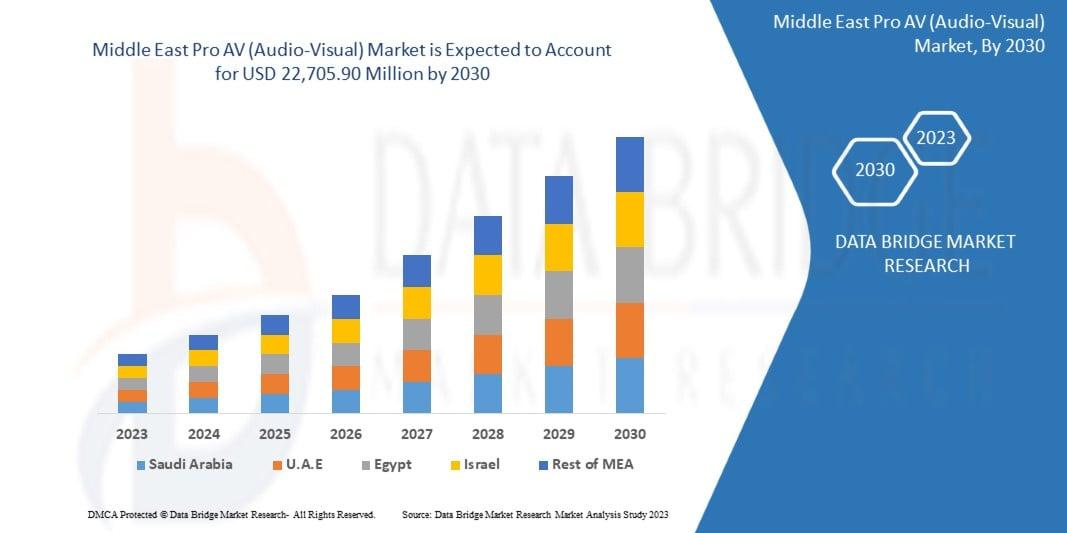
" According to the latest report published by Data Bridge Market Research, the Middle East Pro AV (Audio-Visual) Market CAGR Value Data Bridge Market Research analyzes that the Middle East pro AV (audio-visual) market is expected to reach USD 22,705.90 million by 2030 at a CAGR of 6.9% during the forecast period of 2023 to 2030. This world-wide Middle East Pro AV (Audio-Visual) Market...
For over 120 years, Melbourne Waste Management has proudly served Melbourne, providing reliable, professional, and efficient solutions for all types of waste. Whether you need commercial, industrial, or residential waste solutions, Stows has established a reputation as a trusted partner in Waste Management Melbourne. Our long-standing experience ensures that your waste is handled safely,...

Life in Dubai is fast-paced, making self-care more important than ever. Whether you're dealing with work pressure, travel fatigue, or simply looking for a relaxing retreat, choosing a Luxury Spa in Dubai is the perfect way to recharge your mind and body. A premium spa experience goes beyond relaxation—it helps improve your overall well-being through expert therapies and a peaceful...

According to the latest report published by Data Bridge Market Research, the Wound Care Monitoring Market CAGR Value Global wound care monitoring market size was valued at USD 6.30 billion in 2024 and is projected to reach USD 9.38 billion by 2032, with a CAGR of 5.10% during the forecast period of 2025 to 2032. The winning Wound Care Monitoring Market report brings...

I migliori casino non AAMS hanno acquisito popolarità grazie alla loro capacità di offrire esperienze di gioco fuori dagli schemi tradizionali dei casinò regolamentati. Queste piattaforme, se selezionate correttamente, permettono di accedere a giochi innovativi, bonus più elevati e modalità di pagamento flessibili. La scelta dei migliori casino non AAMS...