


Confined Space Safety: How Entry Permits Turn Risk into Control
Confined Space Safety: How Entry Permits Turn Risk into Control
From the outside, confined spaces such as tanks, silos, pits, vaults, and manholes rarely appear threatening. They are often quiet and still, creating a sense of normalcy that suggests the work inside is predictable and safe. However, that perception can be misleading. The moment someone enters, the environment can change rapidly. Air quality may deteriorate, invisible gases can accumulate, and limited access points make quick exits difficult. Unexpected movement of materials, combined with poor visibility, adds further complexity. In situations like these, even a routine task can turn hazardous without warning.
This is exactly why confined space entry permits exist—and why they should never be viewed as a formality. Their purpose is not to delay work unnecessarily but to ensure every risk has been recognized and addressed beforehand. Rather than depending on familiarity or assumptions, the permit process requires clear confirmation that safety measures are in place. It encourages preparation, forces teams to think ahead, and ensures decisions are based on verified conditions rather than confidence alone.
At its simplest, an entry permit allows trained workers to enter spaces that are not intended for continuous use and have limited accessibility. But its true importance extends well beyond granting permission. The permit becomes the framework that organizes the entire operation. It outlines the job details, identifies who will be involved, and establishes the safety conditions that must be met. By defining responsibilities before work begins, it creates structure and removes uncertainty.
A properly developed permit specifies exactly which space will be entered, what task will be performed, and the requirements that must be satisfied before entry is allowed. It clearly names the workers entering the space, the attendants monitoring from outside, and the supervisors responsible for oversight. This clarity ensures everyone understands their role and strengthens accountability at every stage.
Because confined spaces often contain several hazards at once, the permit also confirms that protective actions have already been completed. This may include testing the air, ensuring ventilation systems are functioning, isolating potential energy sources, and preparing rescue procedures. In this way, the permit serves both as a preparation tool and as documented proof that safety steps are not just planned, but actually carried out.
Treating permits as optional can lead to serious consequences. Confined spaces present dangers that are very different from open work areas. Oxygen levels can drop suddenly, toxic or flammable gases may be present, and the risk of engulfment can arise without warning. Limited mobility and restricted exits reduce the ability to react quickly. When something goes wrong, even a brief delay can escalate into a critical situation.
Without a structured permit system, entry decisions may become casual. Workers might rely on past experience or assume conditions remain unchanged. Statements like “it’s a quick job” or “nothing has happened before” can create a false sense of security. These assumptions often contribute to preventable incidents.
A formal permit process removes that uncertainty by requiring proper evaluation before entry begins. It ensures hazards are assessed, safety controls are verified, and only qualified individuals are involved. Communication plans and emergency preparations are confirmed in advance, reducing the chance of confusion if a problem occurs. Digital permit systems further strengthen this process by guiding users through each requirement and improving documentation and visibility.
For a permit to be effective, it must be detailed and easy to understand. General or unclear instructions can lead to mistakes. Strong permits provide specific information about the location, the work being done, and the duration of the task. They also document hazards, precautions, rescue arrangements, communication methods, and authorization approvals. This level of detail protects workers and provides a clear record of responsible planning.
However, the permit’s value depends on how it is used. It must remain an active part of the operation rather than a document completed and forgotten. Conditions inside confined spaces can shift quickly, so safety checks must continue throughout the job. Air testing, ventilation, energy isolation, and supervision must all be maintained. Attendants must remain alert, and the permit should only be closed after confirming the work is complete and the space is safe.
Ultimately, a confined space entry permit is not just administrative paperwork. It is the foundation of safe confined space work. By clearly defining hazards, responsibilities, and precautions, it transforms unpredictable environments into controlled operations. More importantly, it plays a critical role in protecting the people who perform this high-risk work.
Book a free demo @ https://toolkitx.com/blogsdetails.aspx?title=What-is-a-Confined-Space-Entry-Permit?-A-Simple-Guide
Categorie
Leggi tutto
Across the globe, millions of Netflix members indulge in their favorite movies and TV shows through various devices connected to their televisions. Whether via smart TV apps, game consoles like PlayStation and Xbox, or set-top boxes and Blu-ray players, the way users access Netflix has become more diverse than ever. Remarkably, over one billion hours are streamed on TVs each month,...

Introduction American Dental Practices is one of the most trusted destinations for advanced dental care and Dentist in Indiranagar. The clinic is known for its experienced dentists, modern technology and patient-friendly approach. Whether you need preventive care, cosmetic dentistry, or specialized treatments, the clinic offers comprehensive dental solutions for patients of all age groups. With...

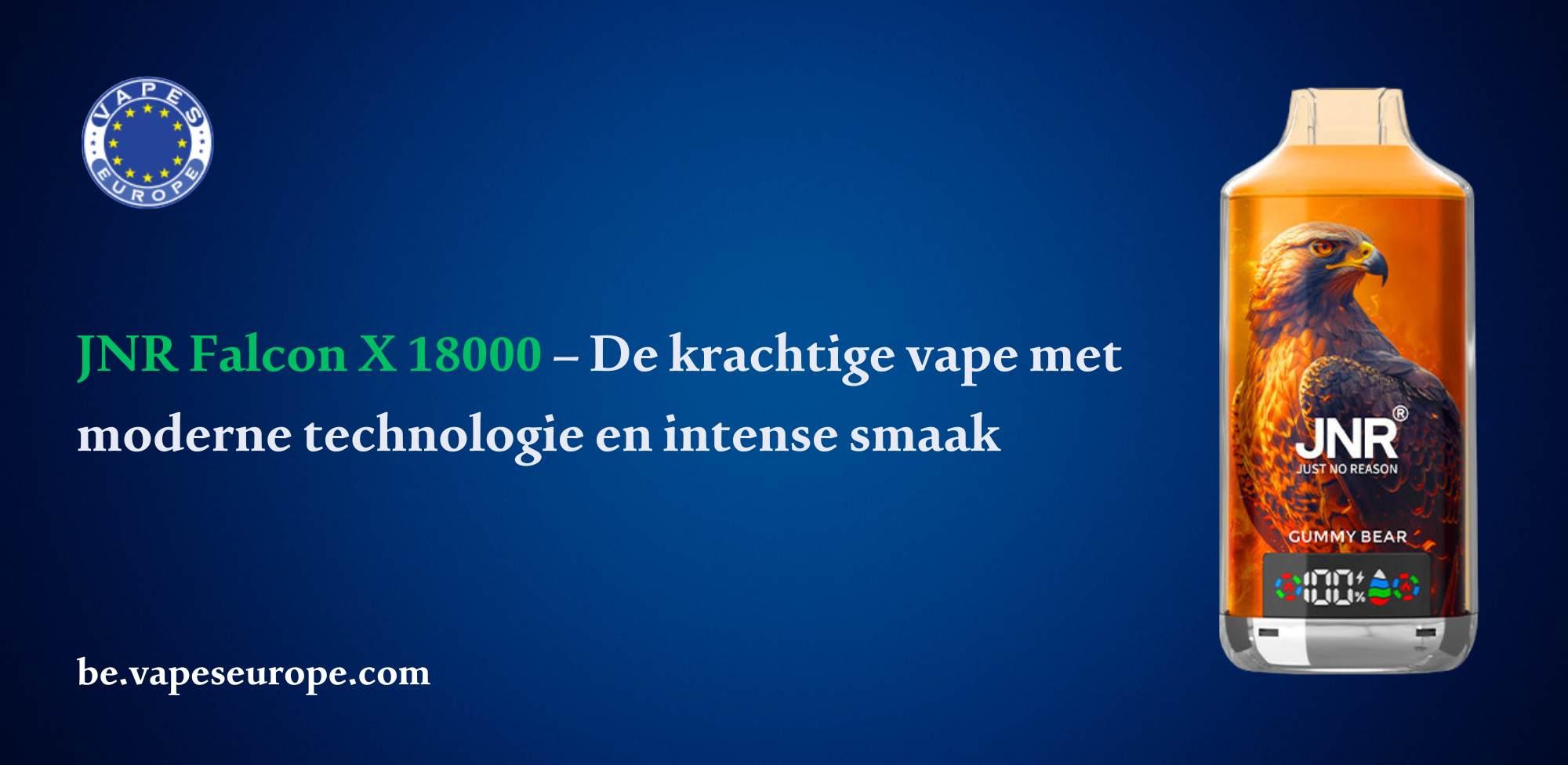
De wereld van vapes verandert razendsnel. Moderne apparaten bieden tegenwoordig meer prestaties, langere gebruiksduur en intensere smaken dan ooit tevoren. Vooral high-puff apparaten worden steeds populairder bij gebruikers die op zoek zijn naar comfort, sterke batterijen en een langdurige vape-ervaring. Binnen deze categorie heeft de JNR Falcon X 18000 veel aandacht gekregen. Zoekwoorden...
" According to the latest report published by Data Bridge Market Research, the Sports Sunglasses Market CAGR Value The global sports sunglasses market size was valued at USD 5.07 billion in 2025 and is expected to reach USD 8.78 billion by 2033, at a CAGR of 7.10 % during the forecast period Competitive analysis carried out in the credible...

"Executive Summary Asia-Pacific PVC compound Market Size and Share: Global Industry Snapshot The Asia-Pacific PVC compound market size was valued at USD 79.19 billion in 2024 and is expected to reach USD 116.11 billion by 2032, at a CAGR of 4.90% during the forecast period. For the growth of any business, Asia-Pacific PVC compound Marketresearch report plays a...