CNC Tool Handling Tips for Shop Floor Safety & Risk Reduction
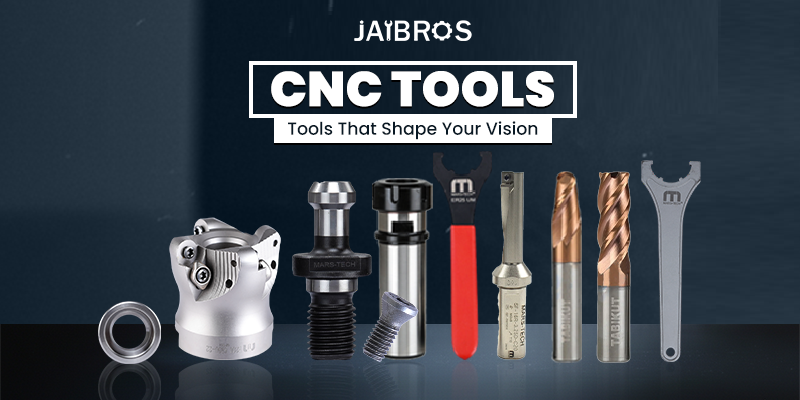
Learn practical CNC tool-handling tips for shop-floor safety, proper storage, inspection, setup, and use to reduce accidents and improve machining performance.
CNC Tool Handling Guide for Safer Shop Floor Operations
Safety on a machining shop floor is directly connected to how every cnc tool is handled throughout its lifecycle. From storage and inspection to mounting and active cutting, each stage carries risk if discipline is missing. Modern machining environments run at high speeds and tight tolerances, which leaves very little margin for careless behavior. A damaged cutter or poor handling habit can quickly turn into a safety incident, scrap material, or machine downtime. Good handling practices protect both workers and productivity.
A strong safety culture does not depend solely on posted rules. It depends on daily habits followed by operators, setters, and supervisors. When handling practices are standardized and repeated consistently, the shop floor becomes more predictable and safer.
Knowing Tool Categories Before Handling
Operators should first understand the types of CNC tools they are working with before touching or moving them. Different cutters have different edge strengths, coatings, and geometries. Micro diameter cutters are more fragile, while indexable cutters may have replaceable inserts that must be checked for tight seating. Thread mills and chamfer cutters have sharp profiles that can easily cut skin during careless contact.
Awareness changes behavior. When workers know what kind of cutting edge they are dealing with, they automatically slow down and handle with more control. This awareness reduces accidental drops and edge damage.
Pre-Use Inspection Reduces Risk
Before mounting any cnc tool into a holder, inspection should be routine. The cutting edges should be checked for chipping, uneven wear, or coating damage. The shank should be clean and free from burrs. Even a small contamination layer between holder and shank can create runout, which increases vibration and breakage risk.
Inspection should also include the holder and collet condition. Many failures are actually caused by worn clamping systems rather than the cutter itself. Reputed CNC tools manufacturer brands usually provide tolerance and usage guides that help teams verify readiness before installation.
Storage Discipline and Tool Protection
Storage is a major safety factor that is often underestimated. A cnc tool should never be left loose on machine tables or mixed in drawers. Proper sleeves, tubes, or rack systems protect both the edge and the operator. Edge collision during storage silently reduces performance and increases the chance of sudden failure during cutting.
Organized storage also improves traceability. Teams that order CNC tools online often receive protective packaging, and reusing that packaging for internal storage is a smart and safe practice. When every tool has a fixed place, accidental contact and confusion are reduced.
Safe Carrying and Movement on the Shop Floor
Transporting tools across the shop should be done with controlled methods. Cutters should be held from the body or shank, not from the cutting edges. Carrying multiple cutters in one hand increases drop risk. Transport trays or preset carts are safer options.
Gloves can be used during carrying but must be removed near rotating spindles. Many small injuries happen not during machining but during movement and setup. Simple transport discipline prevents most of these incidents.
Mounting and Setup Best Practices
Correct setup is critical for safe operation. The cnc tool must be mounted with the correct holder type and proper tightening torque. Too loose can cause pullout, and too tight can damage components. Stick-out length should be minimised to reduce deflection and vibration.
Presetting length and diameter offsets outside the machine helps reduce exposure inside the machining zone. Simulation and dry runs should be used before first cutting passes. These steps reduce collision risk and improve operator confidence.
Using products recognized among the best CNC tools also helps because dimensional accuracy and balance are more consistent, which supports safer setup and smoother cutting behaviour.
Cutting Parameters and Monitoring During Operation
Unsafe parameter selection is a common cause of tool breakage. When a cnc tool is overloaded with aggressive speeds and feeds, it can fracture suddenly and eject fragments. Recommended cutting data should always be the starting point, followed by gradual optimisation.
Operators should pay attention to vibration, sound change, and chip formation. These are early warning signals. Stopping early is always safer than pushing to failure. Predictable performance reduces emergency situations on the shop floor.
Tool Tracking and Timely Replacement
Tool tracking prevents risky reuse. Each cnc tool should be logged after use so its wear status is known. Without tracking, a nearly worn cutter may be reused in a precision pass and fail unexpectedly. Simple labeling systems or digital tracking both work well.
Quick replacement access also improves safety. Local sourcing options found through searches like CNC tools near me allow faster changeovers and remove the temptation to keep running a risky, worn cutter just to finish a batch.
Training and Continuous Safety Awareness
Safety training should be ongoing. Even experienced machinists benefit from refresh sessions and failure case reviews. Discussing near-miss events builds awareness across teams. A blame-free reporting culture helps catch unsafe handling habits early.
Supervisors should reinforce that safety is part of performance, not separate from it. When workers feel responsible for each other, compliance becomes natural rather than forced.
Conclusion
Shop floor safety is built through consistent handling discipline, not occasional caution. Careful storage, inspection, transport, mounting, and monitoring together create a safer machining environment. When every cnc tool is treated as aprecision and potentially hazardous instrument, both people and machines stay protected. Structured handling practices reduce accidents, extend tool life, and improve machining quality at the same time. Safety and productivity are not opposites; they grow together when proper methods are followed daily.
About Jaibros
Jaibros is an industrial tooling supplier focused on delivering reliable cutting solutions for modern machining needs. The brand supports manufacturers with performance-driven tooling, application guidance, and dependable supply so workshops can maintain productivity along with strong operational safety.
FAQs
Q1. How often should cutting tools be inspected before use?
They should be inspected every time before mounting and after major machining cycles.
Q2. Is holder condition as important as cutter condition?
Yes, worn holders cause runout and instability, which can lead to breakage.
Q3. Can damaged tools be reused for roughing work?
Only after proper evaluation. Severely damaged cutters should be discarded.
Q4. Does presetting outside the machine improve safety?
Yes, it reduces operator exposure inside the machining zone.
Q5. Why is parameter control important for safety?
Incorrect speeds and feeds increase overload and sudden fracture risk.
Categorías
Read More
A lounge chair is one of the most impactful furniture purchases you can make. The right chair transforms a corner of a room into a destination — a place to read, think, or simply exist. And the best lounge chair designs happen to be some of the most beautiful objects ever made. Here's our guide to the best designer lounge chairs available in the UK, including high-quality...

Contrast Agents in MRI Industry Insights: Straits Research recently introduced the latest update on the Contrast Agents in MRI Market that provides an extensive outlook of the market, analyzing key growth opportunities, challenges, risk factors, and emerging trends across diverse geographic regions. The report offers a definitive and meticulous analysis of the Contrast Agents in MRI...

" According to the latest report published by Data Bridge Market Research, the Baby Personal Care Products Market The global baby personal care products market size was valued at USD 106.12 billion in 2025 and is expected to reach USD 185.09 billion by 2033, at a CAGR of7.20% during the forecast period The large scale Baby Personal Care Products...
Businesses across manufacturing, restoration, automotive, aerospace, and metal fabrication are constantly looking for faster and cleaner surface preparation methods. Choosing the right laser cleaning machine for sale is a smart investment for companies that want consistent results, improved productivity, and reliable performance. Laser cleaning technology removes rust, paint, coatings,...

Managing a modern healthcare facility requires the use of advanced digital technology that bring every department together efficiently. Patient ERP offers a powerful and connected Hospital Management System designed to simplify hospital operations, enhance healthcare for patients and increase administrative control. With smart automation and centralized administration of data, Patient ERP...