Precision and Power: The Transformation of the Vacuum Interrupter Industry

As the global energy landscape evolves toward decentralized and renewable sources, the demand for highly reliable current interruption has never been greater. The Vacuum Interrupter Industry stands at the forefront of this movement, providing the essential technology required to protect modern electrical grids from the destructive power of short circuits and electrical arcs. Moving into 2026, this sector has transcended its traditional role as a simple component manufacturer, emerging instead as a key enabler of the "Green Grid." By utilizing the superior dielectric properties of a vacuum, these devices offer a cleaner, safer, and more efficient alternative to legacy systems that relied on oil or greenhouse gases like sulfur hexafluoride.
The Mechanism of Modern Protection
A vacuum interrupter is a marvel of sealed-for-life engineering. Within a hermetically sealed ceramic or glass envelope, electrical contacts operate in a high-vacuum environment. When these contacts separate during a fault, the resulting arc is composed solely of ionized metal vapor from the contact material itself. Because there are no gas molecules to sustain the plasma, the arc is extinguished with incredible speed as the current crosses its natural zero point.
This rapid quenching ability is one of the primary reasons why the industry is seeing such rapid adoption. Unlike other media, a vacuum recovers its insulating strength almost instantly, preventing the "re-striking" of the arc and protecting sensitive downstream equipment. Modern manufacturers have further refined this process through the development of axial and transverse magnetic field contact designs, which rotate the arc across the contact surface to prevent localized melting and extend the mechanical life of the device.
Decarbonization and the SF6 Alternative
The strongest tailwind driving the industry today is the global push for environmental sustainability. For decades, the electrical world relied on sulfur hexafluoride (SF6) for arc quenching due to its excellent insulation. However, SF6 is one of the most potent greenhouse gases known to man, with a global warming potential thousands of times higher than carbon dioxide.
As regulatory bodies in Europe and North America implement strict bans on new SF6 equipment, the vacuum interrupter has emerged as the logical successor. It is a "zero-emission" technology that requires no gas monitoring, no leak detection, and no complex recovery procedures at the end of its life. This environmental advantage is not just a regulatory win; it simplifies the operational footprint of utilities, allowing them to install switchgear in sensitive environments, such as urban centers, underground basements, and coastal regions, without the risk of toxic leaks.
Integration with Smart Grid Infrastructure
The digital transformation of the utility sector is also reshaping the vacuum interrupter landscape. In 2026, the industry is increasingly focusing on "Intelligent Interrupters." These next-generation units are equipped with embedded sensors that monitor contact erosion, vacuum integrity, and temperature in real-time. By connecting these devices to a utility’s SCADA system, operators can move from a reactive maintenance model to a predictive one.
This connectivity is particularly vital for the integration of renewable energy. Wind and solar farms generate intermittent loads that require frequent switching operations—often thousands of times more than a traditional fossil-fuel plant. Vacuum interrupters are uniquely suited for this "high-duty" cycling because their contacts experience minimal wear compared to oil or air-based systems. The ability to monitor this wear digitally ensures that the grid remains resilient even as it handles the complexities of weather-dependent power sources.
Regional Dynamics and Infrastructure Modernization
The geographical heart of the industry is currently centered in the Asia-Pacific region. Rapid urbanization and the massive expansion of the railway networks in China and India have created an insatiable demand for medium-voltage switchgear. In these markets, the compact size of vacuum interrupters is a major selling point, as it allows substations to be built with a significantly smaller physical footprint in crowded cities.
Meanwhile, in more mature markets like North America, the growth is fueled by the need to replace aging infrastructure. Much of the current grid was built using 1970s technology that is nearing the end of its functional life. Replacing these legacy oil-filled breakers with modern vacuum units reduces fire risks and eliminates the need for the frequent, messy maintenance associated with older fluid-filled equipment.
Challenges and the Road Ahead
Despite its many advantages, the industry faces challenges in moving into the ultra-high-voltage transmission space. While vacuum technology is the undisputed king of medium-voltage applications, the physical requirements for interrupting current at hundreds of kilovolts remain a technical hurdle. Manufacturers are currently experimenting with "multi-bottle" designs and hybrid solutions to push vacuum technology into the higher tiers of the grid.
As we look toward the future, the industry is also grappling with supply chain complexities, particularly regarding the high-purity ceramics and specialized copper-chromium alloys needed for the contacts. However, through increased investment in material science and automated manufacturing, these barriers are being systematically dismantled. The vacuum interrupter is no longer just a component; it is a vital safeguard for a cleaner, more electrified world.
Frequently Asked Questions
What is the main environmental benefit of a vacuum interrupter? The primary benefit is that it uses a vacuum as the arc-quenching medium instead of SF6 gas. This eliminates the risk of greenhouse gas emissions and toxic byproducts, making it a "green" technology that aligns with global carbon-reduction goals.
How does a vacuum interrupter reduce maintenance costs? Because the contacts are sealed in a vacuum-tight envelope, they are protected from environmental contaminants like dust, moisture, and oxidation. This "sealed-for-life" design allows the units to operate for decades without requiring the gas checks or oil changes needed for other types of breakers.
Can vacuum interrupters handle the frequent switching of renewable energy? Yes. Vacuum interrupters are exceptionally durable and can withstand tens of thousands of mechanical operations. This makes them ideal for wind and solar applications, where the fluctuations in power generation require the system to switch on and off much more frequently than in traditional power plants.
More Trending Reports on Energy & Power by Market Research Future
Iran Oil And Gas Exploration And Production Market Dynamics
Power Electronics Equipment Cooling System Market Dynamics
Printable Battery Market Dynamics
Statcom For Renewable Energy Market Dynamics
Next-Generation Biofuel Market Dynamics
Categorie
Leggi tutto
As per Market Research Future analysis, the Canada matcha tea market was valued at USD 274.5 million in 2024 and is projected to grow from USD 298.49 million in 2025 to USD 690.0 million by 2035, growing at a CAGR of 8.7%. Regional dynamics within Canada play a significant role in shaping market growth and demand patterns. A key factor driving regional growth is the expansion of the premium tea...

San Francisco Welcomes "Harry Potter and the Cursed Child" with Special House-Themed Preview Events Calling all witches and wizards in the Bay Area! A magical opportunity awaits fans of the Wizarding World as "Harry Potter and the Cursed Child" prepares for its San Francisco debut. The production team has announced an exciting house-themed lottery offering $20 tickets to preview performances...

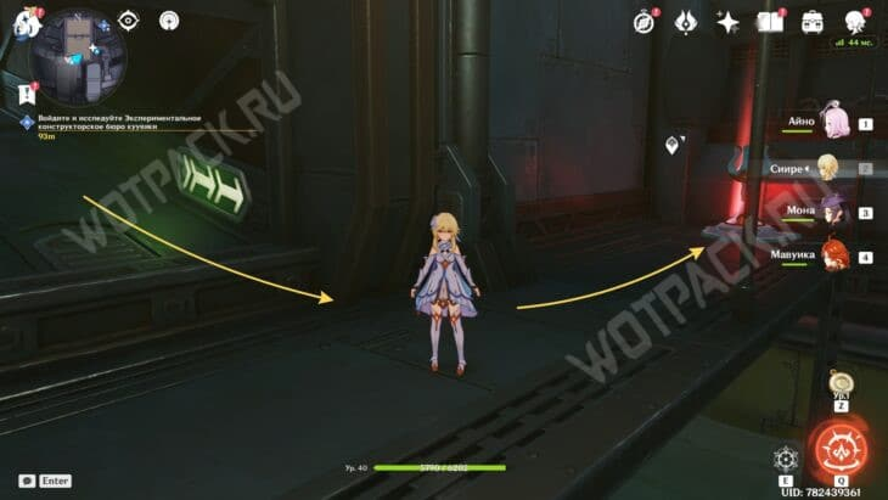
Kuuvyaki-Geheimnisse und Rätsel Das unterirdische Gebiet des Kuuvyaki Experimental Design Bureau in Genshin Impact ist ein Ort voller vielfältiger Sehenswürdigkeiten und Rätsel. Besonders hervorzuheben ist das Nod-Edge-Rätsel, das mit Kuuhenki in Verbindung steht und verschiedene Oculi sowie Schätze unterschiedlicher Seltenheit enthält. Diese benötigen...
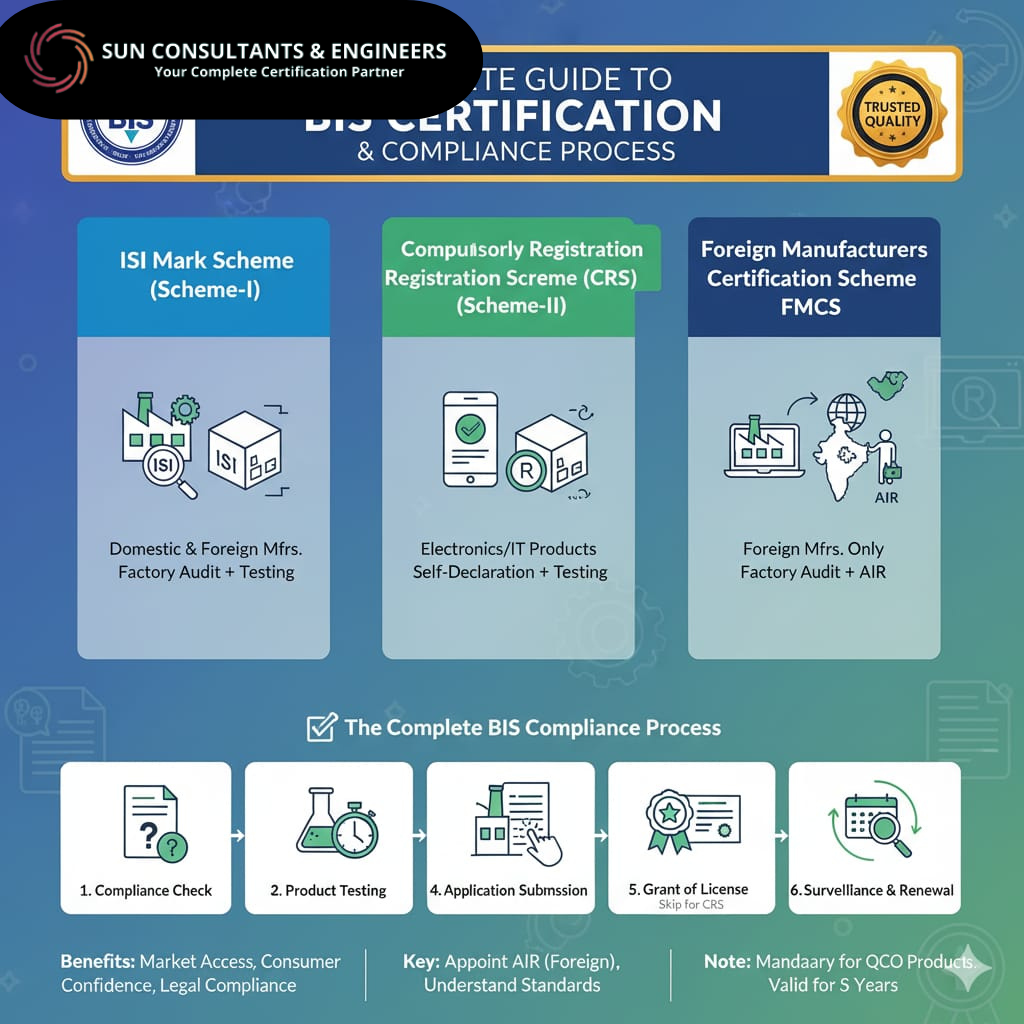
Introduction In today’s competitive market, product quality and safety are extremely important. Consumers want assurance that the products they use meet certain standards and are safe for daily use. In India, this responsibility is handled by the Bureau of Indian Standards (BIS). BIS plays a vital role in maintaining quality, safety, and reliability of products across industries....
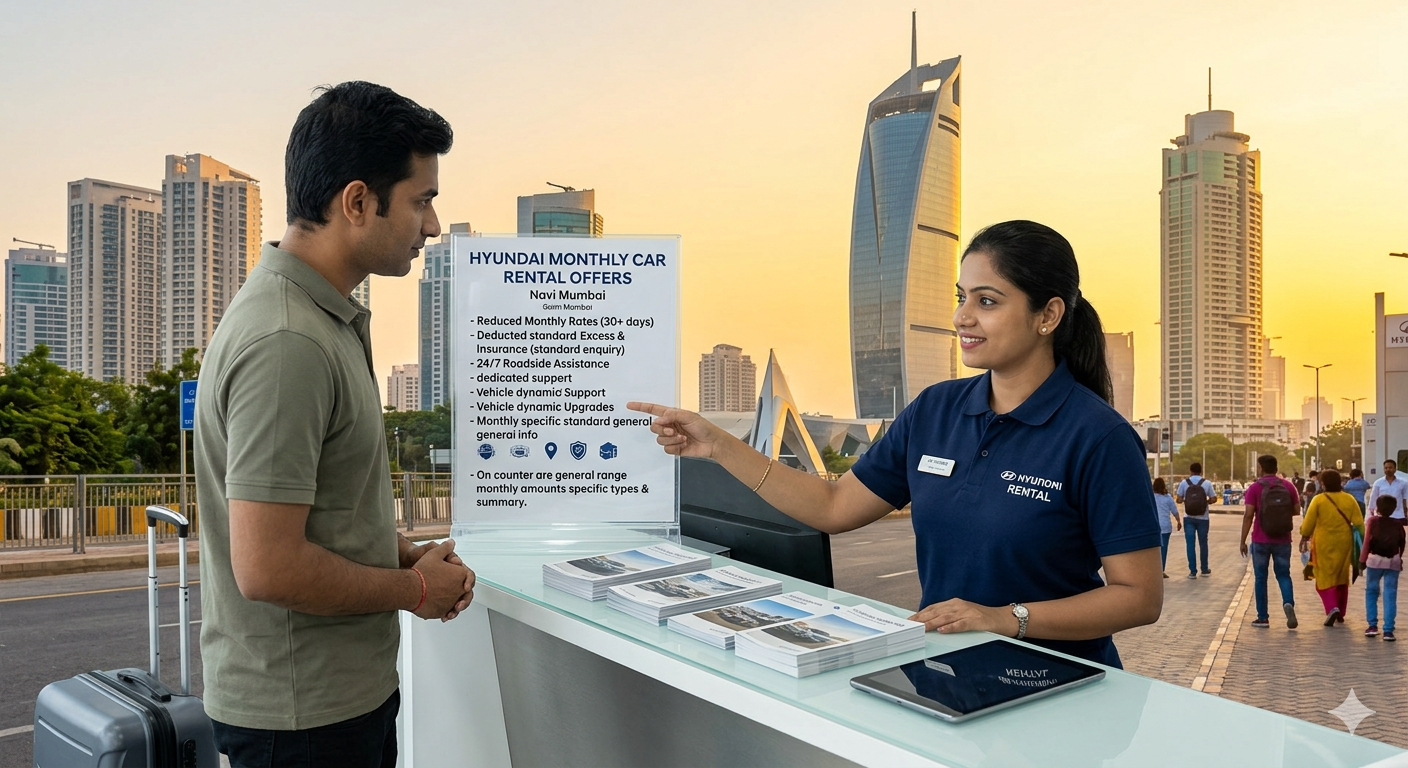
INTRODUCTION When considering a Hyundai Car Rental or choosing a Hyundai Rent a Car service, one of the most important factors for customers is pricing flexibility. Whether you need a car for a few hours, a week-long trip, or an extended stay, rental providers typically offer a variety of packages tailored to different durations and budgets. In this comprehensive guide, we’ll explore the...