Healthy Diet Guide: Nutrition, Weight Loss and Wellness
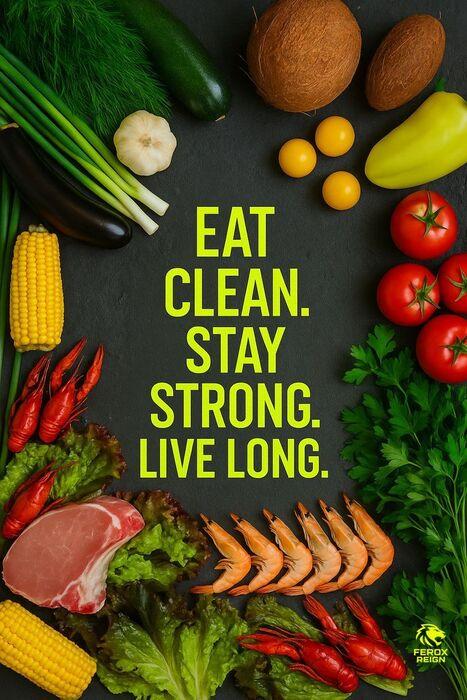
A healthy diet is one of the most important foundations of overall health, energy, metabolism, and disease prevention. In today’s fast-paced world, processed foods, sugar-heavy diets, and poor meal habits have become increasingly common. These lifestyle patterns can negatively affect metabolism, body weight, immunity, and long-term wellness.
Many people struggle with weight management, low energy, digestive issues, and inflammation due to poor nutrition. While quick-fix diets and extreme calorie restrictions promise fast results, they often fail to deliver sustainable health benefits. Instead, they can create nutrient deficiencies, slow metabolism, and increase the risk of weight regain.
A healthy diet focuses on balanced nutrition, whole foods, and sustainable eating habits. It supports the body’s natural fat-burning processes, improves energy levels, and strengthens overall health. When combined with regular exercise, proper hydration, and quality sleep, a healthy diet becomes a powerful tool for long-term wellness and vitality.
This expert guide explains how a healthy diet works, why it is essential, key benefits, common mistakes to avoid, and how to build a sustainable nutrition plan for lifelong health.
What is a Healthy Diet?
A healthy diet is a balanced eating pattern that provides essential nutrients required for proper body function. These nutrients include:
-
Proteins
-
Healthy fats
-
Complex carbohydrates
-
Vitamins
-
Minerals
-
Fiber
-
Antioxidants
A healthy diet emphasizes whole, natural foods while limiting processed foods, refined sugar, and unhealthy fats. It focuses on nutrient density rather than just calorie counting.
A well-balanced diet supports metabolism, brain function, muscle repair, immune health, and energy production.
Why a Healthy Diet is Essential in Modern Life
Modern lifestyles have changed dramatically, leading to increased consumption of convenience foods, sugary beverages, and refined carbohydrates. These foods may provide quick energy but often lack essential nutrients.
A healthy diet helps counter these effects by:
-
Supporting metabolic health
-
Maintaining healthy body weight
-
Supporting immune function
-
Improving digestion
-
Supporting heart health
-
Maintaining mental clarity
Long-term healthy eating habits are more effective than temporary dieting approaches.
How Nutrition Affects Metabolism and Weight Management
Metabolism refers to how the body converts food into energy. A healthy diet supports metabolism by providing nutrients needed for energy production.
Key metabolism-supporting nutrients include:
Protein
Helps build muscle and supports calorie burning.
Fiber
Supports digestion and keeps you full longer.
Healthy Fats
Support hormone balance and energy.
Vitamins and Minerals
Support cellular energy production.
When metabolism functions efficiently, the body can burn fat more effectively and maintain energy balance.
Key Components of a Healthy Diet
Lean Proteins
Sources include eggs, fish, poultry, legumes, and tofu. Protein supports muscle repair and metabolism.
Healthy Fats
Sources include nuts, seeds, olive oil, and avocado. Healthy fats support hormone health and brain function.
Complex Carbohydrates
Whole grains, fruits, and vegetables provide long-lasting energy.
Fiber-Rich Foods
Fiber supports digestion and appetite control.
Antioxidant-Rich Foods
Fruits and vegetables protect cells from oxidative stress.
Benefits of Following a Healthy Diet
Supports Weight Management
Balanced nutrition helps regulate appetite and metabolism.
Improves Energy Levels
Provides steady energy throughout the day.
Supports Digestive Health
Fiber supports gut health and regular digestion.
Strengthens Immunity
Vitamins and minerals support immune response.
Supports Mental Health
Balanced nutrition supports brain function and mood.
Promotes Healthy Aging
Nutrients help protect cells from damage.
Common Mistakes People Make in Dieting
Extreme Calorie Restriction
Can slow metabolism and cause fatigue.
Skipping Meals
May lead to overeating later.
Over-Reliance on Processed “Diet” Foods
Many contain artificial ingredients and hidden sugars.
Ignoring Nutrient Balance
Focusing only on calories instead of nutrition quality.
Why Quick-Fix Diets Fail
Quick diets often promise rapid weight loss but fail because they:
-
Do not support metabolism long term
-
Cause nutrient deficiencies
-
Are difficult to maintain
-
Often lead to weight regain
Sustainable weight management requires balanced nutrition and lifestyle changes.
Role of Natural Supplements in Supporting a Healthy Diet
Even with a healthy diet, some individuals may have nutritional gaps due to lifestyle or dietary restrictions.
Natural supplements may help support:
-
Metabolism
-
Energy production
-
Appetite balance
Common supportive ingredients include plant extracts, fiber, and metabolism-support nutrients.
How a Healthy Diet Supports Fat Loss Naturally
A healthy diet supports fat loss by:
-
Improving metabolic efficiency
-
Reducing cravings
-
Supporting hormone balance
-
Supporting muscle maintenance
-
Improving energy levels
Fat loss is most effective when combined with physical activity.
Healthy Diet and Gut Health Connection
Gut health plays a major role in metabolism and immunity.
A healthy diet supports gut health through:
-
Probiotics
-
Prebiotic fiber
-
Fermented foods
-
Plant-based nutrients
A healthy gut improves nutrient absorption and metabolic balance.
Anti-Inflammatory Benefits of Healthy Eating
Chronic inflammation can slow metabolism and increase disease risk.
Anti-inflammatory foods include:
-
Leafy greens
-
Berries
-
Nuts
-
Fatty fish
-
Turmeric
-
Olive oil
Healthy Diet for Long-Term Wellness
Long-term health requires consistency rather than short-term dieting. Sustainable healthy eating supports:
-
Heart health
-
Brain function
-
Hormonal balance
-
Immune system strength
-
Energy levels
Signs Your Diet May Need Improvement
-
Low energy
-
Digestive discomfort
-
Frequent cravings
-
Weight gain
-
Poor sleep quality
-
Brain fog
How to Build a Sustainable Healthy Diet Plan
Step 1: Eat Whole Foods
Step 2: Balance Macronutrients
Step 3: Stay Hydrated
Step 4: Control Portion Sizes
Step 5: Maintain Consistency
Healthy Diet and Exercise Together
Nutrition and exercise work best together. Exercise supports metabolism, while nutrition provides energy and recovery support.
Future Trends in Healthy Diet and Nutrition
Growing trends include:
-
Plant-based nutrition
-
Functional foods
-
Personalized nutrition plans
-
Gut health nutrition
-
Sustainable eating
Conclusion
A healthy diet is one of the most powerful tools for achieving long-term wellness, energy, and weight management. Instead of relying on restrictive diets or quick-fix solutions, focusing on balanced nutrition, whole foods, and sustainable habits offers lasting results.
When combined with physical activity, proper hydration, and healthy lifestyle habits, a healthy diet supports metabolism, improves digestion, boosts energy, and promotes long-term health.
Making small, consistent dietary improvements can create significant long-term health benefits and improve overall quality of life.
Categorias
Leia Mais
Smoke Grenade Farming Tips The smoke grenade blueprint only drops from residential stashes — think wardrobes, suitcases, desk drawers and trash bins — not from industrial containers. \nIt can appear on any map and under any map condition. \nFarming tips: hit zones dense with residential loot, move quickly by stripping heavy gear and using adrenaline syringes, and systematically...

En jurist fastighetsrätt är din viktigaste partner när det gäller att navigera i det komplexa regelverket kring fastigheter, mark och byggnader. Oavsett om du står inför ett fastighetsköp, en gränstvist eller en hyreskonflikt, kan rätt juridisk expertis vara skillnaden mellan en smidig lösning och en utdragen tvist. Med rätt stöd kan...

"Middle East Silicon Carbide Market Summary: According to the latest report published by Data Bridge Market Research, the Middle East Silicon Carbide Market The Middle East silicon carbide market size was valued at USD 41.58 million in 2025 and is expected to reach USD 93.09 million by 2033, at a CAGR of 10.60% during the forecast period This Middle East Silicon Carbide Market...

Online entertainment has grown rapidly in recent years, and many players now enjoy the convenience of gaming platforms that offer sports betting and casino experiences in one place. A reliable platform should provide security, variety, and a smooth user experience. https://8kbet.cafe/ is widely recognized as a reputable bookmaker that delivers these positive qualities while offering a...
Getting sued after a car accident can feel overwhelming, especially if it’s your first time dealing with anything like it. The paperwork, the legal terms, and the uncertainty about what comes next can quickly add stress to an already difficult situation. If someone sues you for a car accident in Illinois, it doesn’t automatically mean the worst-case scenario. In many cases,...