


Digestion Health Guide: Improve Gut and Digestive Care
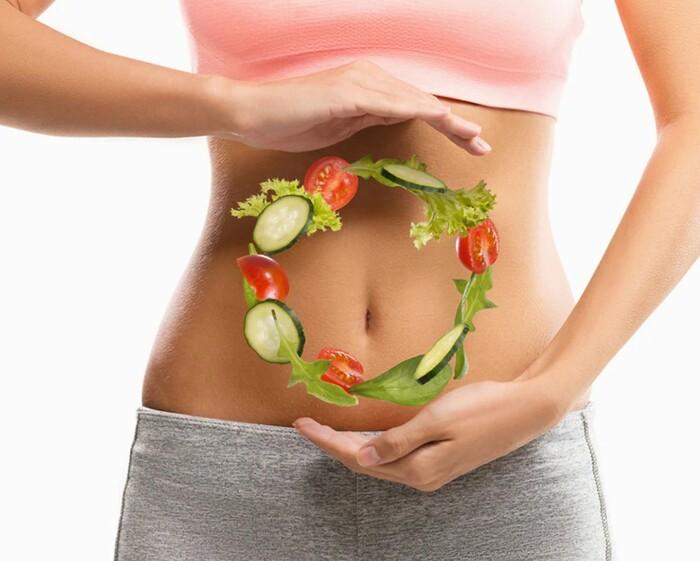
Digestion is one of the most essential biological processes that keeps the human body functioning efficiently. It is responsible for converting food into nutrients and energy required for survival, growth, and repair. Without proper digestion, even the healthiest diet cannot provide full nutritional benefits.
Modern lifestyles, poor eating habits, processed foods, stress, and irregular meal patterns often disrupt digestion. As a result, many people experience digestive discomfort, bloating, gas, constipation, acid reflux, or nutrient deficiencies.
A healthy digestive system is not only important for gut health but also influences immunity, metabolism, mental health, and energy levels. Research shows that gut health plays a major role in overall wellness, making digestion one of the most important pillars of health.
This expert guide explains digestion in detail, how it works, common digestive problems, natural ways to improve digestion, and how diet and lifestyle affect gut health.
What is Digestion?
Digestion is the process through which the body breaks down food into smaller nutrients that can be absorbed and used for energy, cell repair, and growth.
The digestion process involves:
Mechanical digestion
Breaking food into smaller pieces through chewing.
Chemical digestion
Using enzymes and acids to break nutrients into absorbable forms.
Absorption
Transporting nutrients into the bloodstream.
Elimination
Removing waste products from the body.
Efficient digestion ensures that nutrients from food are properly absorbed and used by the body.
Why Digestion is Important for Overall Health
Digestion affects nearly every system in the body. Proper digestion helps:
Support metabolism
Improve nutrient absorption
Strengthen immune function
Support brain health
Maintain energy levels
Support weight management
Poor digestion can lead to fatigue, nutrient deficiencies, inflammation, and weakened immunity.
How the Digestion Process Works
Digestion begins the moment food enters the mouth and continues until waste leaves the body.
Mouth
Chewing breaks food into smaller particles. Saliva begins carbohydrate digestion.
Esophagus
Moves food to the stomach through muscle contractions.
Stomach
Breaks food down using digestive acids and enzymes.
Small Intestine
Absorbs most nutrients into the bloodstream.
Liver, Pancreas, and Gallbladder
Produce digestive juices and enzymes to break down nutrients.
Large Intestine
Absorbs water and forms waste.
Each organ plays a critical role in maintaining healthy digestion.
Key Organs That Support Digestion
Liver
Produces bile to break down fats.
Pancreas
Produces enzymes for protein, fat, and carbohydrate digestion.
Gallbladder
Stores and releases bile.
Intestines
Support nutrient absorption and gut bacteria balance.
Common Digestive Problems
Indigestion
Often caused by overeating or fatty foods.
Constipation
Often linked to low fiber and dehydration.
Bloating and Gas
Can result from poor digestion or gut bacteria imbalance.
Acid Reflux
Caused by stomach acid flowing into the esophagus.
Diarrhea
Can be caused by infections or dietary changes.
Causes of Poor Digestion
Poor digestion can result from:
Processed food consumption
Low fiber intake
Stress
Poor hydration
Lack of physical activity
Irregular eating habits
Role of Diet in Supporting Digestion
Diet is the most powerful factor influencing digestion.
A digestion-friendly diet includes:
Fiber-rich foods
Probiotics
Healthy fats
Lean proteins
Whole grains
Fresh fruits and vegetables
Importance of Fiber for Digestion
Fiber helps:
Promote regular bowel movements
Support gut bacteria
Reduce constipation
Improve nutrient absorption
Gut Health and Digestion Connection
The gut contains trillions of bacteria that influence digestion and health.
A healthy gut microbiome supports:
Nutrient absorption
Immune health
Inflammation control
Mental health
Metabolism
Natural Ways to Improve Digestion
Eat Fiber-Rich Foods
Supports bowel movement and gut health.
Stay Hydrated
Helps break down food and absorb nutrients.
Chew Food Properly
Supports enzyme function and digestion.
Eat Smaller Meals
Reduces digestive stress.
Include Probiotics
Supports healthy gut bacteria.
Exercise Regularly
Supports digestive movement.
Manage Stress
Stress negatively affects digestion.
Best Foods for Digestion
Yogurt
Leafy greens
Bananas
Whole grains
Ginger
Turmeric
Oats
Apples
Foods That Can Harm Digestion
Processed foods
Excess sugar
Fried foods
Carbonated drinks
Excess alcohol
Digestion and Immune System Connection
About 70 percent of the immune system is located in the gut. Healthy digestion supports immune defense and disease prevention.
Digestion and Mental Health
The gut-brain connection influences mood and cognitive health. Poor digestion can contribute to stress and mood imbalance.
Digestion and Weight Management
Efficient digestion supports metabolism and energy balance, which are important for maintaining a healthy weight.
When to Seek Medical Help for Digestive Problems
Seek medical help if you experience:
Persistent pain
Blood in stool
Unexplained weight loss
Chronic diarrhea
Severe reflux
Long-Term Digestive Health Tips
Eat balanced meals
Stay active
Drink enough water
Reduce processed foods
Manage stress
Sleep properly
Future Trends in Digestive Health
Personalized nutrition
Gut microbiome research
Functional digestive foods
Plant-based digestive nutrition
Conclusion
Digestion is a complex but essential process that supports every aspect of health. From energy production to immune strength, digestion plays a central role in maintaining wellness.
Maintaining good digestion requires balanced nutrition, hydration, physical activity, and healthy lifestyle habits. By making small but consistent dietary improvements, individuals can significantly improve digestive health and overall well-being.
Understanding digestion and supporting gut health naturally is one of the most effective ways to maintain long-term health and vitality.
Categories
Read More
Pursue an MBBS in Uzbekistan has become one of the most popular choices among Indian students who want affordable, quality, and globally recognized medical education without dealing with the high competition and extremely high fees in India. Uzbekistan offers an ideal combination of low tuition fees, well-equipped government medical universities, modern teaching methods, structured...

In today’s education and professional landscape, titles play a powerful role in building credibility and opening new career opportunities. One of the most frequently asked questions is: What is the difference between an honorary doctorate and a PhD, and which one holds more value? To answer this clearly, it is important to understand what each represents, how they are obtained, and their...

Science fiction has captivated readers for generations by taking them beyond the boundaries of reality and into worlds filled with innovation exploration and endless possibilities. From distant galaxies and advanced technologies to thought-provoking visions of the future the genre continues to inspire millions of readers worldwide. At the heart of these remarkable stories are talented science...
Not every winter piece can move seamlessly between a casual coffee run and a dressed-up evening out, but shearling manages it better than almost anything else in outerwear. Jacket Craze put together a full breakdown of women's brown shearling jacket ideas built around real occasions, so you get the most versatility out of one piece instead of needing a different jacket for every plan on your...

Health concerns can arise without warning, and having the right protection can make all the difference. Medical insurance nz offers financial support and greater access to quality healthcare when you need it most. Faster Access to Care Many people choose medical insurance nz to avoid long public waiting times and receive treatment sooner through private healthcare providers. Help with Eligible...
