


Complete Guide to Hair Health and Strong Hair Growth
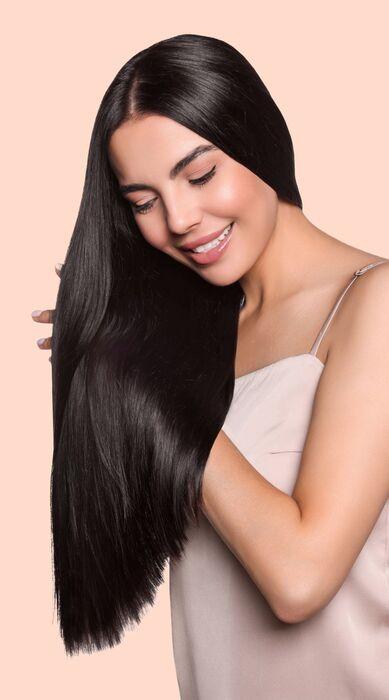
Hair health is one of the most important indicators of overall wellness. Strong, shiny, and resilient hair is not just about appearance; it reflects internal nutrition, lifestyle balance, and proper hair care practices. Many people struggle with hair fall, dryness, thinning, dandruff, and slow growth because they focus only on external products rather than a complete hair health approach.
True hair health requires a combination of proper scalp care, balanced nutrition, gentle hair care routines, and lifestyle management. When these factors work together, hair becomes naturally stronger, smoother, and more manageable.
This comprehensive expert guide explains everything you need to know about hair health, including causes of poor hair condition, best routines, nutrition strategies, product selection, and natural remedies for long-term results.
Understanding Hair Health and Why It Matters
Hair health refers to the strength, elasticity, moisture balance, and growth cycle of your hair. Healthy hair grows consistently, feels smooth, has natural shine, and resists breakage.
Poor hair health often leads to:
-
Excessive hair fall
-
Dry and brittle strands
-
Split ends
-
Scalp irritation
-
Slow hair growth
-
Loss of shine and volume
Hair grows from follicles located in the scalp. These follicles require nutrients, oxygen, and hormonal balance to function properly. When the body lacks nutrients or experiences stress, hair growth is affected immediately.
Healthy hair depends on three main pillars:
-
Scalp health
-
Internal nutrition
-
External care routine
Ignoring any one of these can reduce hair health significantly.
The Science Behind Hair Growth and Hair Health
Hair grows in three phases:
Growth Phase (Anagen)
This is the active growth period lasting 2 to 7 years. Good hair health extends this phase, allowing longer and thicker hair growth.
Transition Phase (Catagen)
Hair follicles shrink and prepare for shedding. This stage lasts about 2 weeks.
Resting Phase (Telogen)
Hair eventually falls out, making room for new hair growth. Losing 50–100 hairs daily is normal.
Poor hair health shortens the growth phase and increases hair fall.
Major Factors That Affect Hair Health
Genetics
Some people naturally have thicker or thinner hair. However, good hair health practices can improve hair quality even if genetics are not ideal.
Hormones
Hormonal imbalance can trigger hair fall and slow growth.
Stress
High stress levels push hair follicles into resting phase early, causing hair shedding.
Nutrition Deficiency
Lack of protein, iron, and vitamins directly impacts hair health.
Environmental Damage
Pollution, sun exposure, and hard water weaken hair structure.
Common Hair Problems Linked to Poor Hair Health
Hair Fall
Hair fall occurs due to stress, poor diet, hormonal imbalance, or harsh chemical treatments.
Dandruff
Dry scalp, fungal growth, or product buildup causes dandruff and itching.
Dry Hair
Lack of moisture makes hair rough, frizzy, and breakable.
Split Ends
Heat styling, chemical treatments, and rough handling cause split ends.
Oily Scalp
Excess oil blocks follicles and affects hair health balance.
Expert Hair Health Routine for Daily Life
Gentle Cleansing
Wash hair 2–3 times weekly using mild shampoo. Overwashing removes natural oils and reduces hair health.
Conditioning
Condition mid-length to ends after every wash. This protects hair from dryness and breakage.
Weekly Deep Conditioning
Hair masks repair internal hair structure and improve moisture retention.
Scalp Massage
Massaging improves blood circulation and supports hair health and growth.
Heat Protection
Always use heat protectant before styling tools.
Regular Trimming
Trim every 6–8 weeks to prevent split ends.
Best Nutrition for Hair Health
Hair is made of protein called keratin. Without proper nutrition, hair health declines quickly.
Protein
Supports hair structure and growth
Sources: Eggs, fish, lentils, dairy, nuts
Iron
Prevents hair thinning and hair fall
Sources: Spinach, dates, beans
Biotin
Strengthens hair roots
Sources: Nuts, seeds, bananas
Vitamin E
Improves scalp circulation
Sources: Almonds, sunflower seeds
Omega Fatty Acids
Improve hair shine and elasticity
Sources: Flax seeds, walnuts
Hydration is equally important. Drink enough water daily to maintain scalp moisture.
Lifestyle Habits That Improve Hair Health
Stress Control
Yoga and meditation help regulate hormones and improve hair growth.
Sleep Quality
7–8 hours sleep supports cell repair and hair follicle regeneration.
Exercise
Improves blood circulation to scalp.
Avoid Smoking and Excess Alcohol
These weaken hair follicles and reduce hair health over time.
How to Choose Products for Hair Health
Shampoo Selection
Choose sulfate-free shampoo suited to scalp type.
Conditioner Choice
Use moisturizing conditioners with natural oils and proteins.
Hair Oils
Coconut oil, argan oil, and castor oil improve hair health naturally.
Serums
Protect hair from pollution and environmental damage.
Styling Products
Choose lightweight products to avoid buildup.
Natural Remedies That Improve Hair Health
Coconut Oil Treatment
Strengthens hair shaft and reduces protein loss.
Aloe Vera Application
Soothes scalp and reduces dandruff.
Onion Juice Treatment
Supports collagen production and strengthens follicles.
Fenugreek Hair Mask
Improves thickness and hair strength.
Argan Oil Therapy
Adds shine and improves elasticity.
Consistency is key for natural remedies to improve hair health.
Hair Health Tips for Different Hair Types
Straight Hair
Use lightweight products and avoid heavy oils.
Wavy Hair
Focus on hydration and frizz control.
Curly Hair
Needs deep moisture and gentle detangling.
Coily Hair
Requires intense moisture and protective styling.
Hair Health Myths You Should Stop Believing
Myth: Cutting Hair Makes It Grow Faster
Hair grows from roots, not ends.
Myth: Oil Can Replace Shampoo
Oil nourishes but cannot clean scalp buildup.
Myth: Brushing 100 Times Improves Hair Health
Overbrushing damages hair.
Myth: Products Show Instant Results
Hair health improvement takes time and consistency.
Seasonal Hair Health Care
Summer
Protect hair from sun and sweat buildup.
Winter
Focus on hydration and scalp moisture.
Monsoon
Keep scalp clean to prevent fungal infections.
Signs of Good Hair Health
-
Minimal hair fall
-
Natural shine
-
Soft texture
-
Strong hair strands
-
Healthy scalp
Long-Term Hair Health Strategy
To maintain hair health:
-
Follow consistent routine
-
Eat balanced diet
-
Manage stress
-
Avoid excessive chemicals
-
Use gentle products
Hair health improvement is a gradual process, but long-term care delivers lasting results.
Final Thoughts
Hair health is a combination of internal nutrition, external care, and healthy lifestyle habits. Strong hair does not happen overnight. It requires consistency, patience, and the right routine tailored to your hair type and scalp condition.
By understanding your hair needs, choosing suitable products, maintaining balanced nutrition, and following expert hair care practices, you can achieve long-lasting hair health and naturally beautiful hair.
Categorias
Leia mais
https://onlinexpedia11.livejournal.com/3505.html https://www.patreon.com/posts/expedia-one-way-160227335?utm_medium=clipboard_copy&utm_source=copyLink&utm_campaign=postshare_creator&utm_content=join_link https://justpaste.it/lu3ef https://syg.ma/@xaxijo7016/expedia-one-way-flight-tickets-1-866-855-0041...

Upgrade Your Career Foundation with Business Analytics Training in Delhi In today’s fast-changing corporate environment, upgrading your skills is essential to stay relevant and competitive. A Business Analytics Training Course in Delhi provides a structured pathway for individuals aiming for long-term corporate success. With organizations increasingly relying on data-driven...

Search engine competition feels crowded almost everywhere now because every business keeps publishing articles, landing pages, and promotional content almost daily online. A website can look professional, load properly, and still struggle gaining visibility because authority signals remain extremely important for rankings today. Search engines changed many things over the years, although trust...

Introduction The Ambient Intelligence market is gaining significant momentum as organizations and consumers increasingly adopt smart technologies that can sense, adapt, and respond to human behavior. Ambient intelligence refers to digital environments equipped with sensors, artificial intelligence, Internet of Things (IoT) devices, and intelligent systems that work seamlessly in the...

Every parent wants their little one to look adorable while staying comfortable throughout the day. Choosing the perfect baby boy dress is not only about fashion but also about comfort, fabric quality, and ease of movement. Today, parents look for outfits that combine trendy designs with soft and breathable fabrics that are gentle on delicate baby skin. Pocomico understands the importance of...
