Tinnitus Relief: Causes, Symptoms & Effective Treatment
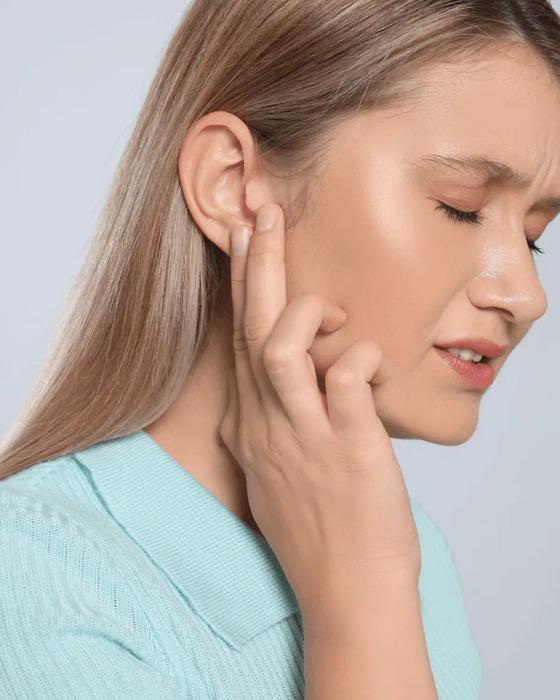
Tinnitus is a widespread condition that affects millions of people around the world. It is characterized by the perception of sound, such as ringing, buzzing, or hissing, in the ears without any external source of noise. While the sounds may be mild for some, others experience constant or disruptive noises that affect their daily lives. Tinnitus can be distressing and frustrating, impacting sleep, concentration, and overall well-being. Understanding the causes, symptoms, and potential treatment options is crucial in managing this condition and improving your quality of life. This article will provide an overview of tinnitus, its underlying causes, symptoms, and available treatments.
What is Tinnitus?
Tinnitus is a medical condition where an individual hears sounds like ringing, buzzing, or humming inside their ears, even though no external noise is present. It is important to note that tinnitus is not a disease in itself, but a symptom of an underlying health condition. It is a common issue, with millions of people experiencing varying degrees of tinnitus, ranging from mild and occasional to constant and severe. The sounds experienced can vary from person to person, with some hearing high-pitched ringing, while others may experience low-pitched buzzing or humming sounds.
Tinnitus is usually caused by damage to the ear or auditory pathways, but the precise cause can vary significantly from person to person. It may be temporary, lasting for a few hours or days, or it can be chronic, lasting for months or even years. The severity of the condition varies, with some individuals finding the sounds disruptive to their daily life, while others may only notice it in quiet environments.
Common Causes of Tinnitus
The causes of tinnitus are diverse, and understanding these underlying factors is crucial in determining the best treatment options. Below are some of the most common causes of tinnitus:
-
Age-Related Hearing Loss (Presbycusis)
As people age, the tiny sensory cells in the inner ear naturally deteriorate, leading to hearing loss. This process, known as presbycusis, is one of the leading causes of tinnitus. The loss of hearing can result in the brain compensating by perceiving sounds that are not actually present. -
Prolonged Exposure to Loud Noises
Consistent exposure to loud sounds, such as concerts, machinery, or headphones at high volumes, can damage the delicate structures of the inner ear. Over time, this damage may result in hearing loss and the onset of tinnitus. This is a common cause, especially among those working in noisy environments. -
Ear Infections and Blockages
Ear infections or a buildup of earwax can block the ear canal and cause hearing problems. This can sometimes trigger tinnitus as well. Infections in the middle ear can cause temporary tinnitus, and in some cases, it may persist until the infection is treated. -
Medication Side Effects
Certain medications, known as ototoxic drugs, can cause or worsen tinnitus. These include high doses of aspirin, some antibiotics, chemotherapy drugs, and certain antidepressants. If you suspect that a medication is causing your tinnitus, it is important to consult your healthcare provider to discuss alternatives. -
Health Conditions
Several underlying health conditions can contribute to tinnitus. These include high blood pressure, diabetes, thyroid disorders, and poor circulation. Conditions affecting the cardiovascular system can alter blood flow to the ear and result in tinnitus symptoms.
Symptoms of Tinnitus
The symptoms of tinnitus can vary greatly from person to person. Some of the most common symptoms include:
-
Ringing, Buzzing, or Hissing Sounds
The most prominent symptom of tinnitus is hearing persistent sounds like ringing, buzzing, or hissing, even in a quiet environment. The pitch and tone of the sound may vary from high-pitched ringing to a low hum, depending on the individual. -
Intermittent or Constant Noise
Tinnitus can be either intermittent or constant. For some, the sounds may come and go, lasting for a few minutes to hours. For others, tinnitus may be a constant presence, making it more difficult to ignore. -
Hearing Loss
Many people with tinnitus also experience some degree of hearing loss. The condition may make it harder to hear external sounds, particularly in noisy environments. This can complicate communication and make normal conversations more difficult.
How Tinnitus Affects Daily Life
Tinnitus may seem like a minor annoyance for some, but for many, it has a profound effect on their quality of life. The continuous noise can interfere with various aspects of daily living, including:
-
Difficulty with Communication
Tinnitus, particularly when combined with hearing loss, can make it harder to understand speech. This can impact both personal and professional relationships, making it difficult to participate in conversations. -
Mental and Emotional Impact
The constant noise of tinnitus can cause frustration, stress, anxiety, and even depression. The mental toll can be significant, especially for those who struggle to manage the symptoms effectively. -
Social Withdrawal
Some people with tinnitus find themselves withdrawing from social activities because the internal noise makes it difficult to focus on conversations or enjoy quiet moments. Over time, this can lead to isolation and a reduction in quality of life. -
Fatigue
The inability to sleep well due to tinnitus can result in chronic fatigue. This can affect energy levels throughout the day, reducing productivity and overall well-being.
Treatment Options for Tinnitus
While there is currently no cure for tinnitus, there are several treatment options available that can help manage the symptoms and improve the quality of life for those affected. Treatment options vary depending on the underlying cause and severity of the condition.
-
Medical Treatments
In some cases, tinnitus may be caused by an underlying medical condition, such as an ear infection or high blood pressure. Treating the underlying condition can sometimes alleviate tinnitus symptoms. Medications may also be prescribed to help reduce the intensity of the sounds, alleviate anxiety, or improve blood circulation. -
Hearing Aids
For individuals with hearing loss, hearing aids can help amplify external sounds, making it easier to hear and reducing the perception of internal noise. These devices may help mask the tinnitus sounds and improve communication. -
Sound Therapy
Sound therapy involves using background noises, white noise machines, or specialized tinnitus-masking devices to help distract the brain from the internal sounds. This approach can be particularly effective during quiet times, such as at night. -
Cognitive Behavioral Therapy (CBT)
CBT is a type of therapy that helps individuals change how they perceive and react to tinnitus. By addressing the emotional and psychological aspects of the condition, CBT can help reduce stress, anxiety, and depression, making it easier to cope with the symptoms. -
Lifestyle Changes
Stress management techniques, such as relaxation exercises, yoga, and deep breathing, can help alleviate the intensity of tinnitus. Additionally, protecting the ears from loud noises, avoiding caffeine and alcohol, and maintaining a healthy diet can help manage symptoms.
Natural Remedies and Self-Care Tips
In addition to medical treatments, several natural remedies and self-care tips can help reduce the impact of tinnitus. These strategies are accessible, safe, and can complement professional care:
-
Stress Management
Stress and anxiety can exacerbate tinnitus symptoms. Engaging in regular relaxation practices, such as meditation, yoga, or deep breathing exercises, can help manage stress and reduce the intensity of tinnitus. -
Ear Protection
To prevent further damage to the ears, it is important to limit exposure to loud noises. Wearing earplugs or noise-canceling headphones in noisy environments can protect the ears and reduce the likelihood of worsening tinnitus. -
Dietary Considerations
Some people with tinnitus report that certain foods or beverages, such as caffeine and alcohol, can make the symptoms worse. Maintaining a healthy, balanced diet with plenty of fruits, vegetables, and whole grains can promote overall ear and brain health. -
Regular Exercise
Physical activity can improve blood circulation, which may benefit the inner ear. Exercise also helps reduce stress and improve overall mental well-being, indirectly benefiting tinnitus sufferers.
FAQs About Tinnitus
1. What is tinnitus?
Tinnitus is the perception of sound in the ears or head when no external noise is present. It is often described as ringing, buzzing, or hissing in the ears.
2. Is tinnitus a disease?
No, tinnitus is not a disease; it is a symptom of an underlying condition, such as hearing loss, ear infections, or other health issues.
3. Who is at risk of developing tinnitus?
People exposed to loud noises, older adults, those with hearing loss, and individuals with certain health conditions are at higher risk for developing tinnitus.
4. Can tinnitus go away on its own?
In some cases, tinnitus may go away on its own, especially if it is caused by temporary factors like ear infections or exposure to loud noises. Chronic tinnitus may require ongoing treatment.
5. What are the treatment options for tinnitus?
Treatment options for tinnitus include medications, hearing aids, sound therapy, cognitive behavioral therapy, and lifestyle changes such as stress management and ear protection.
Final Thoughts
Tinnitus is a common condition that can significantly affect an individual's quality of life. While there is no cure for tinnitus, understanding its causes and symptoms is crucial for managing the condition effectively. With the right treatment, lifestyle changes, and support, individuals with tinnitus can find relief and improve their daily well-being. If you are experiencing tinnitus, it is important to consult a healthcare provider to explore treatment options and find a solution that works for you.
Categorii
Citeste mai mult
LEGO Media Elevates Janice Ross to Lead Children's Content Division in America The Danish toy manufacturing powerhouse LEGO has promoted Janice Ross to oversee its U.S. children's programming operations within LEGO Media. In her expanded role, Ross will dedicate her efforts to developing original content for both television and cinema. For the previous two years, Ross served as senior...

The latest business intelligence report released by Polaris Market Research on Deepfake AI Market Size, Share, Trends, Industry Analysis Report: By Component (Software and Service), Technology, Application, and Region (North America, Europe, Asia Pacific, and Middle East & Africa) – Market Forecast, 2025–2034. It covers the in-depth knowledge of the Deepfake AI Market...

Aging skin, fine lines, uneven texture, and dullness are common skincare concerns for many Americans. That’s why anti-aging skincare devices are becoming one of the fastest-growing beauty categories in the USA. Instead of spending thousands on spa treatments, many users now prefer at-home skincare technology that delivers visible results while saving money over time. From LED light...
Achieving the perfect balance between aesthetic elegance and functional warmth is a primary goal for British homeowners looking to elevate their interior design. Window treatments play a monumental role in this balancing act, serving as both a visual anchor for a room and a practical barrier against the unpredictable British weather. Among the various styles available, long drapes that sweep...
Frostmondgebete: Statue bergen Die Mission „Frostmondgebete“ in Genshin Impact führt euch zur Enklave auf Hiisi. Dort erwartet euch eine besondere Herausforderung mit Lauma. Gemeinsam müsst ihr eine alte Statue bergen, die tief in der Geschichte des Stammes verwurzelt ist. Sie befindet sich hinter einem Spiegel und verlangt nach eurer Hilfe. Um sie zu retten, gilt es, ein...