


Lighting Strategies Using a Smoked Glass Pendant Light
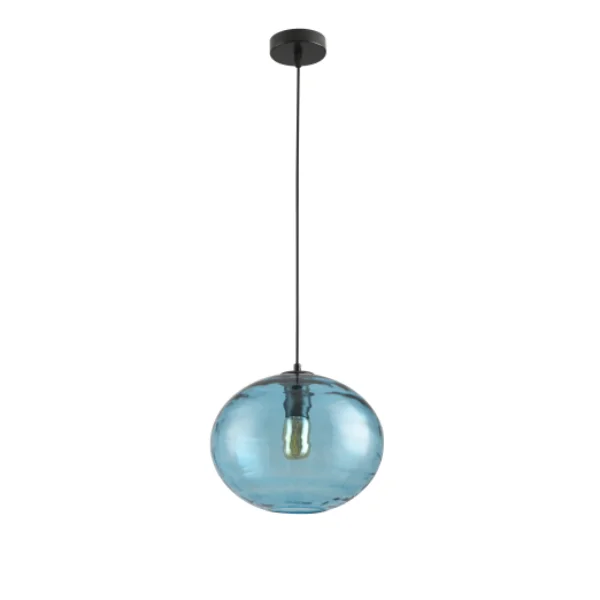
A smoked glass pendant is more than just a lighting fixture; it is a versatile design element that can transform the ambiance of any room. Its tinted glass softens light, adds warmth, and creates a sophisticated atmosphere. At Chandelier Light, we specialize in helping homeowners maximize the impact of their lighting while ensuring functionality and style.
This article explores practical lighting strategies using a smoked glass pendant, showing how it can be incorporated into different spaces for both beauty and practicality.
Understanding the Smoked Glass Pendant
Smoked glass pendants feature tinted or semi-opaque glass that diffuses light softly. They are available in a variety of shapes, sizes, and finishes, making them suitable for multiple interior styles. Key features include:
-
Diffused Lighting: The smoky glass softens harsh light and reduces glare, creating a warm, inviting glow.
-
Modern Aesthetic: Sleek designs, geometric shapes, and tinted glass provide a contemporary look.
-
Versatility: Works in kitchens, dining rooms, living areas, and entryways.
Knowing these characteristics helps homeowners plan their lighting layout effectively.
Layered Lighting: Combining Pendants with Other Sources
One of the most effective strategies is using a smoked glass pendant as part of a layered lighting design. Layering light ensures the room is evenly illuminated while allowing different moods and functions.
-
Ambient Lighting: The pendant can serve as the primary source of general light in a room.
-
Task Lighting: Hang the pendant above work areas such as kitchen islands, desks, or reading corners.
-
Accent Lighting: Combine with wall sconces, recessed lights, or floor lamps to highlight artwork or architectural features.
Layering helps balance brightness and shadows, creating a comfortable and functional space.
Placement Strategies for Maximum Impact
Correct placement of a smoked glass pendant is essential for both style and practicality:
1. Kitchens
-
Above Islands or Counters: Place the pendant at about 30 to 36 inches above the countertop to provide focused task lighting.
-
Clustered Arrangement: Multiple smaller pendants in a row can provide even light and a dramatic visual effect.
-
Pairing with Cabinets: Position pendants to complement cabinetry and countertops, ensuring balanced illumination.
2. Dining Rooms
-
Above the Dining Table: Center a single pendant or cluster above the table for both functional lighting and elegance.
-
Adjustable Height: Hang at a height that allows a clear line of sight while illuminating meals.
-
Layer with Wall Lights: Combine with wall sconces or chandeliers for added sophistication.
3. Living Rooms and Sitting Areas
-
Over Seating Areas: Center the pendant above sofas or reading areas to define spaces and provide ambient lighting.
-
Complementary Lighting: Pair with table lamps or floor lamps for layered illumination.
-
Decorative Focus: Use a pendant with an interesting shape or tint as a focal point in modern living rooms.
4. Entryways and Hallways
-
Central Positioning: Place a pendant in the center of the foyer to welcome guests and create a strong visual impression.
-
Long Hallways: Use multiple smaller pendants spaced evenly for consistent light and style.
-
Highlighting Architectural Features: Position pendants near staircases, arches, or artwork to enhance depth and interest.
Choosing the Right Size and Shape
Selecting the correct size and shape is critical for both aesthetics and function:
-
Proportion to Room Size: The pendant should complement the room’s dimensions. Oversized pendants in small spaces may feel overwhelming, while small pendants in large areas can get lost.
-
Shape for Style: Dome or globe shapes work well in contemporary or minimalist interiors. Cylindrical or geometric shapes can add sculptural interest.
-
Multiple Pendants: Clustering small pendants creates a dramatic effect in kitchens, dining areas, or entryways.
Bulb Selection and Light Quality
The type of bulb used affects the pendant’s functionality and ambiance:
-
LED Bulbs: Energy-efficient, long-lasting, and available in dimmable options.
-
Color Temperature: Warm white bulbs (2700K–3000K) create cozy, inviting spaces, while cool white (3500K–4000K) is ideal for task lighting.
-
Brightness: Choose wattage or lumen output that meets room needs without overpowering the space.
Selecting the right bulb enhances the smoky glass effect and creates a balanced atmosphere.
Coordinating with Interior Décor
A smoked glass pendant works best when it complements the room’s décor:
-
Metal Finishes: Pair black, gold, or bronze frames with other hardware in the room for cohesion.
-
Neutral Backgrounds: Soft wall colors allow the smoky tint to stand out, emphasizing the pendant’s elegance.
-
Reflective Surfaces: Mirrors, glossy tables, or metallic accents amplify the glow and visual impact.
Coordinating design elements ensures the pendant becomes a harmonious focal point.
Maintenance Tips
Proper care ensures the pendant remains beautiful and functional:
-
Regular Cleaning: Wipe the glass with a soft cloth to remove dust and fingerprints.
-
Check Bulbs: Replace burned-out or dim bulbs promptly to maintain consistent lighting.
-
Professional Installation: For large or multi-tiered pendants, professional mounting ensures safety and stability.
Minimal maintenance helps the pendant retain its visual and functional appeal for years.
Final Thoughts
A smoked glass pendant is a versatile, stylish, and functional lighting option for modern homes. By considering placement, size, shape, and layered lighting strategies, homeowners can maximize its visual and practical impact.
Categorii
Citeste mai mult
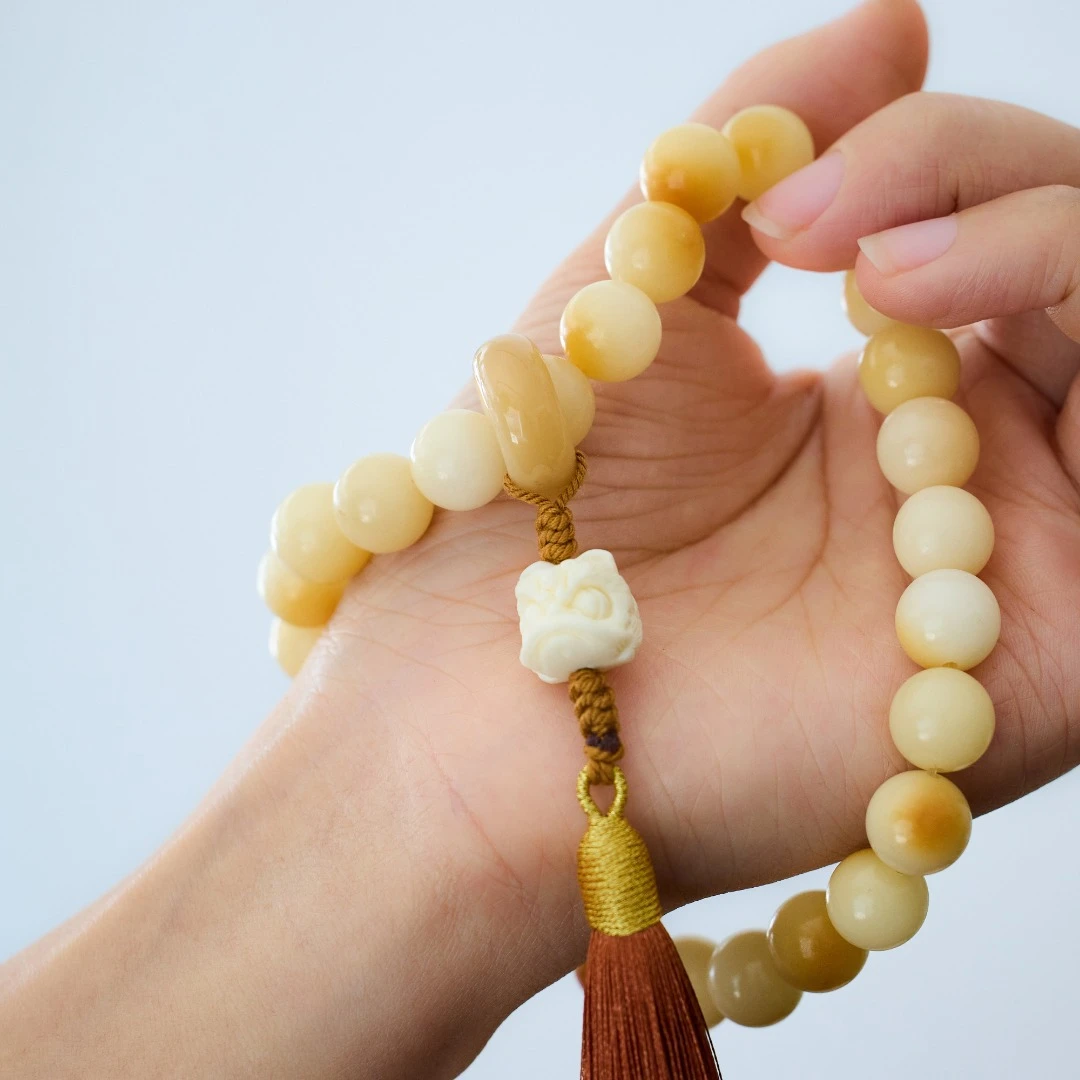
The Symbolism of the Regal Mane Throughout the history of decorative arts, the lion has stood as the preeminent symbol of courage, sovereignty, and untamed strength. When this formidable creature is captured in the form of a lion king bracelet, it becomes more than an accessory; it serves as a wearable emblem of leadership and a tribute to the indomitable spirit of the wild. The lion has long...
The global Collagen Market is witnessing steady expansion, supported by increasing consumer focus on health, wellness, and beauty from within. Collagen, widely used for its benefits in skin health, joint support, and overall wellness, is gaining traction across food, nutraceuticals, healthcare, and personal care industries. According to market insights, the Collagen Market size was...
Outsource CAD Drawing Services that support construction firms help USA contractors prepare accurate plans, sections, elevations, layouts, details, and construction documentation without overloading internal teams. Optimar Precon supports dependable offshore CAD delivery. Contact Optimar Precon for drafting assistance.

Stepping into the wizarding world's most iconic role has proven to be a complex spell for actor John Lithgow. The acclaimed performer, cast as Albus Dumbledore, found himself grappling with the decision to proceed, deeply affected by the intense public discourse. He contemplated departing the project entirely, weighing the artistic opportunity against the surrounding controversy. Lithgow...

Echozen is a natural dietary supplement designed to support ear health, improve hearing clarity, and reduce symptoms like tinnitus, ringing in the ears, and ear discomfort. It is mainly used by adults who experience reduced hearing quality, constant buzzing sounds, or stress-related ear issues and want a natural, non-invasive solution. ...